Business
South Africa Edges Toward Fiscal Cliff as Growth Falls Far Short of Targets
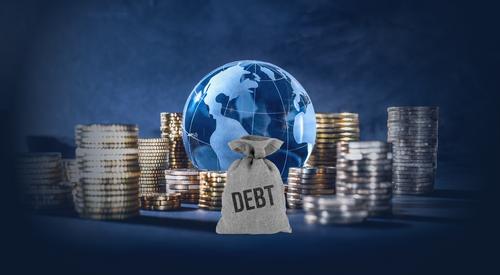
South Africa is heading toward a fiscal cliff, and the numbers paint a sobering picture.
To stabilise its ballooning debt burden—currently approaching 80% of GDP—South Africa needs consistent annual economic growth of at least 3%. Yet, the economy has only averaged 0.8% growth over the past decade, and the outlook isn’t much better. Forecasts project growth of just 1.5% over the next three years.
This stagnant growth is not just a statistic—it’s the root of South Africa’s financial woes. It limits tax revenue, worsens the debt-to-GDP ratio, and piles pressure on already strained public finances.
A Warning from the Experts
Nishan Maharaj, head of fixed interest at Coronation, recently outlined the depth of the crisis in a research note. According to him, South Africa is facing a double blow: external global tensions and internal political instability.
Two factors continue to weigh down investor confidence and local bond performance—high interest rates from the South African Reserve Bank and the government’s unstable financial position.
The looming third Budget iteration, set to be presented on 21 May, highlights how difficult it’s become to fix the country’s fiscal path. While the National Treasury remains committed to fiscal consolidation, much of the new spending is locked in. If growth stalls or dips further, the funding shortfall will only worsen, increasing pressure on the national purse.
Debt, Interest, and Unsustainable Economics
A crucial structural issue lies in how the Treasury accounts for debt—on a cash basis instead of an accrual basis. Maharaj warns that this mismatch leads to underestimating future debt burdens.
The government is now spending over R1 billion a day just on interest payments. With borrowing costs around 9% and nominal economic growth around 5%, South Africa’s debt compounds faster than its income—a situation economists describe as r > g (interest rate greater than growth rate). This is unsustainable in the long term.
Even though inflation is now under control, hovering at around 4.5%, growth remains too weak to offset debt accumulation. Unless this dynamic changes, the fiscal cliff becomes inevitable.
The Interest Rate Trap
South Africa currently has some of the most restrictive real policy rates since the early 2000s. Back then, inflation was in double digits, and growth was booming. Today, inflation is subdued, but growth prospects are dismal—and high rates aren’t helping.
Maharaj suggests that interest costs are unlikely to decline meaningfully. Factors such as persistent inflation risks and a potential shift away from emerging market assets could push bond yields even higher.
The Political Risk Factor
One temporary source of optimism was the formation of the Government of National Unity (GNU), which included the Democratic Alliance (DA). This coalition helped calm investor fears and encouraged a focus on structural reform.
But that hope may be short-lived.
Recent signs point to cracks in the GNU, and if the coalition unravels, it could stall reforms and trigger fresh uncertainty. “It seems very unlikely that the GNU will continue in its current form,” Maharaj warns. Such a development would be a major setback to South Africa’s fragile recovery efforts.
Growth or Bust
The verdict is clear: South Africa must grow faster, or it will face increasingly difficult choices—massive spending cuts, sharp tax hikes, or both. Without meaningful policy shifts and a firm commitment to structural reform, the country risks plunging deeper into a debt spiral.
As the 21 May Budget approaches, all eyes are on Parliament to see whether the government can chart a credible path forward—or whether South Africa will slip closer to the edge.
{Source: BusinessTech}
Follow Joburg ETC on Facebook, Twitter , TikTok and Instagram
For more News in Johannesburg, visit joburgetc.com