News
BBC Faces Global Backlash Over Trump Documentary Scandal as Top Executives Resign
Crisis at the BBC: Trump Documentary Sparks Leadership Meltdown
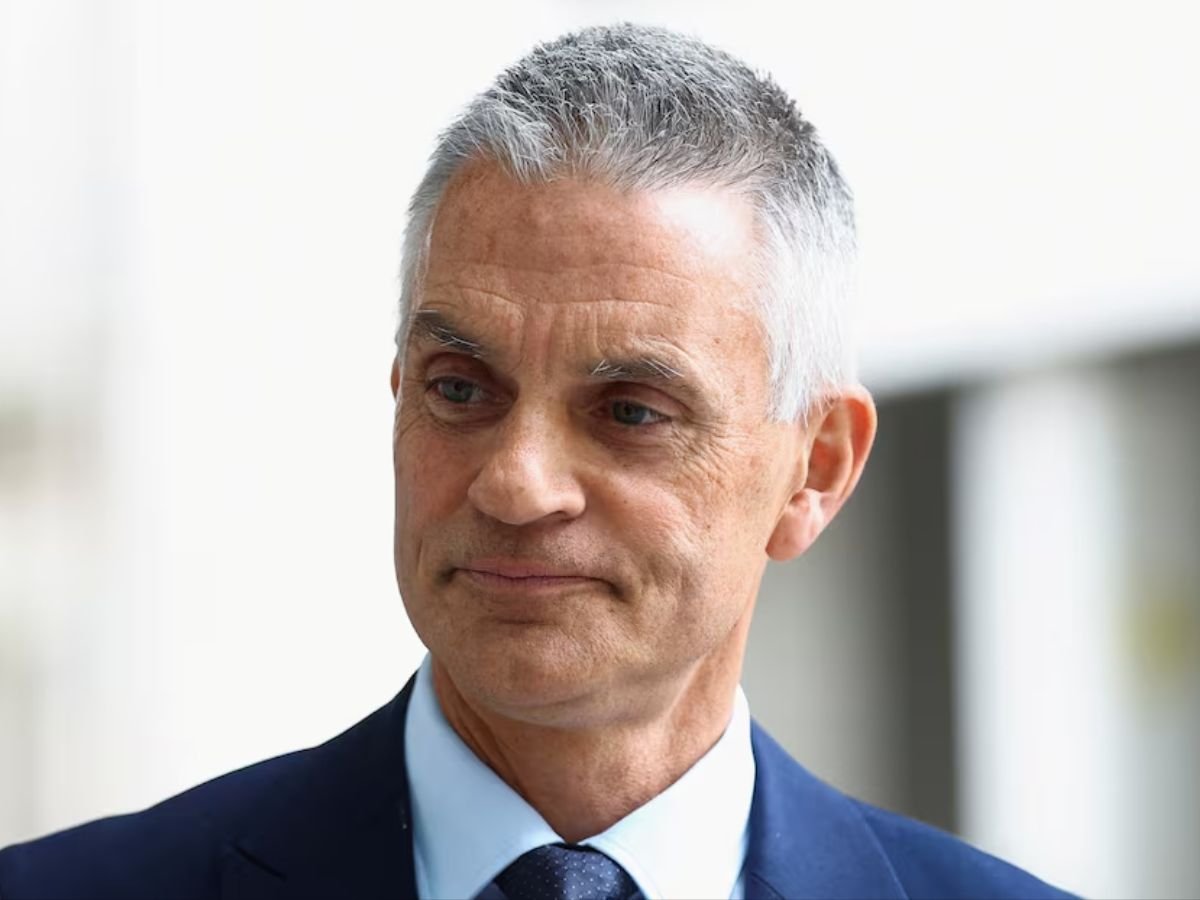
The BBC, one of the world’s most trusted broadcasters, is in crisis mode after two of its top executives resigned over allegations that the corporation edited a Donald Trump speech in a way that appeared misleading.
Director General Tim Davie and BBC News CEO Deborah Turness both stepped down on Sunday after a week of mounting backlash and political pressure. The scandal stems from a flagship BBC documentary that included edited clips of Trump’s January 6, 2021, speech, which critics say falsely implied that he had directly called for an attack on the US Capitol.
The controversy has shaken Britain’s 102-year-old public broadcaster to its core and reignited the global debate about trust and impartiality in media.
How a Documentary Sparked a Political Firestorm
The BBC’s trouble began when the Daily Telegraph reported that internal memos had raised impartiality concerns about the way Trump’s words were spliced together in a recent broadcast.
In the edited version, Trump was heard telling supporters to “walk to the Capitol and fight like hell,” seemingly urging violence. But the unedited clip showed he had also urged his followers to “cheer on our brave senators and congressmen and women.”
The nuance or lack thereof, triggered a political and public uproar. Critics accused the BBC of misrepresentation, while supporters of the broadcaster said the attack was being weaponised by right-wing interests seeking to weaken public trust in media institutions.
Trump Celebrates, Critics Warn of Political Influence
As the resignations hit headlines, Trump wasted no time in declaring victory. On his social media platform, he accused BBC journalists of being “corrupt” and “dishonest,” claiming their downfall proved “the fake news media is crumbling.”
But Turness, in her resignation letter, insisted that “allegations that BBC News is institutionally biased are wrong.” She defended the organisation’s editorial standards while acknowledging the need for transparency.
Meanwhile, BBC Chair Samir Shah is expected to appear before the UK Parliament’s Culture, Media and Sport Committee to explain how the edit was approved and what steps will be taken to restore confidence.
Public Divided as Debate Over BBC’s Future Heats Up
Reactions in the UK have been deeply split.
Culture Secretary Lisa Nandy described the allegations of bias as “incredibly serious,” while Conservative leader Kemi Badenoch said the resignations were “long overdue” after what she called a “catalogue of serious failures.”
Some saw it as a victory for accountability; others saw a political ambush.
Former BBC journalist Karen Fowler-Watt, now head of journalism at City St George’s University, said the fallout was “seismic.”
“The BBC is now really in a situation of crisis,” she told AFP. “We shouldn’t underestimate how damaging this is for a brand built on global trust.”
Social media has been equally polarised. Supporters of Trump and far-right figures celebrated the resignations as proof of media corruption, while British liberals and journalists warned that foreign political pressure particularly from Trump’s camp, could be influencing one of the UK’s most important public institutions.
Old Wounds, New Scandals
This isn’t the first time the BBC has been forced to apologise for its reporting. Earlier this year, the broadcaster admitted to “serious flaws” in a documentary about Gaza, which regulators found to be “materially misleading.”
It also faced calls to act after a controversial Glastonbury livestream featuring punk-rap duo Bob Vylan, whose frontman made anti-Israel comments live on stage.
For Davie, who had weathered multiple storms during his tenure earning the nickname “Teflon Tim” this was one crisis too many.
What’s at Stake: The BBC’s Future and Its Charter
The timing of this meltdown couldn’t be worse. The UK government is preparing to review the BBC’s Royal Charter, the document that defines its funding and governance structure. The current charter expires in 2027, and a scandal of this magnitude could influence how and even whether, the BBC continues to be funded by the licence fee paid by UK viewers.
Some politicians, including former Prime Minister Boris Johnson, have publicly threatened to stop paying their licence fees, arguing that the broadcaster has lost touch with its audience.
But not everyone is ready to give up on the BBC.
Seventy-eight-year-old writer Jennifer Kavanagh told reporters she still believes in the institution’s mission.
“They’ve always been attacked from the right and from the left,” she said. “They can never get it right, but I love the BBC. I hope this settles down.”
A Defining Moment for British Journalism
Whether this latest crisis will lead to meaningful reform or deepen mistrust remains to be seen. What’s certain is that the BBC, once seen as the gold standard of impartial journalism, now faces an existential question: can it still claim to be the world’s most trusted news source in a time of political division and misinformation?
As one London commuter told reporters outside Broadcasting House:
“You rely on the BBC for truth. If even they start playing politics, who do you trust?”
{Source: The Citizen}
Follow Joburg ETC on Facebook, Twitter , TikTok and Instagram
For more News in Johannesburg, visit joburgetc.com