News
‘We Know Who We Are’: Ramaphosa Hits Back at Trump’s White-Genocide Claims with Rare Public Rebuke
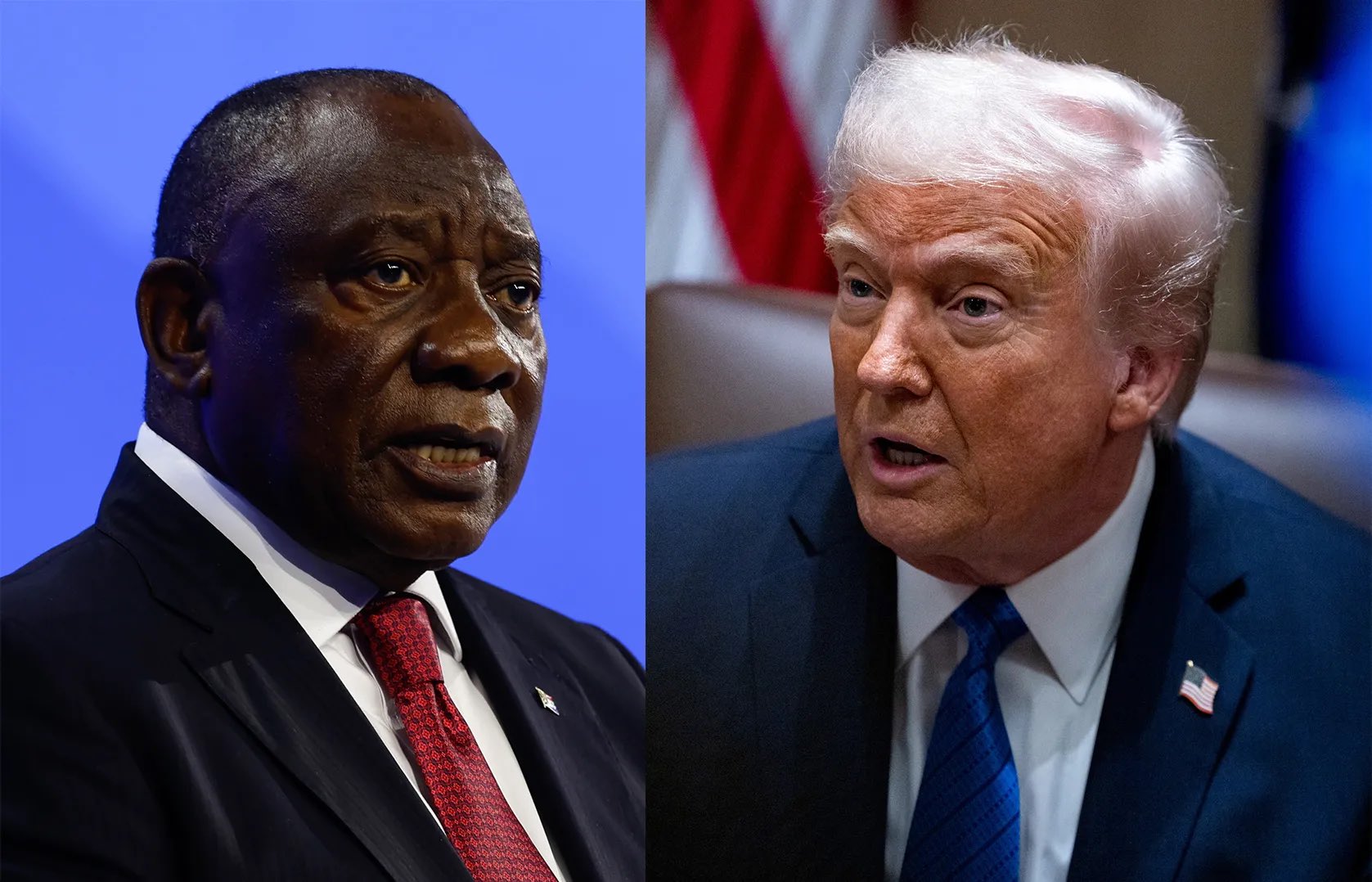
‘We Know Who We Are’: Ramaphosa Hits Back at Trump’s White-Genocide Claims with Rare Public Rebuke
When President Cyril Ramaphosa addressed the nation on Sunday night, many expected a neat wrap-up of South Africa’s G20 Presidency, a bit of pride, a bit of diplomacy, and a pat on the back for a summit that kept Johannesburg in global headlines for weeks.
Instead, South Africans got something different: a firm, almost uncharacteristically direct rebuttal aimed squarely at Donald Trump.
And it wasn’t about trade or geopolitics, it was about the old, resurfacing myth that South Africa is “killing and slaughtering” white people.
A Presidency Overshadowed by a No-Show
South Africa had just hosted its biggest diplomatic gathering in years: the G20 Leaders’ Summit. Every member country attended every G20 meeting, except one. The United States, a founding member of the G20 and incoming 2026 host, skipped the final meetings and the summit entirely.
Their reason? The Trump administration accused South Africa of perpetrating “genocide” against Afrikaners and confiscating land from white citizens.
Ramaphosa didn’t mince his words:
“This is blatant misinformation.”
But behind the diplomatic phrasing was something deeper, irritation that weeks of South African work had been overshadowed by a narrative he insists has no grounding in fact.
We affirm our commitment to continue to engage in dialogue with the United States government, and to do so with respect and with dignity as equal sovereign countries.
Cyril Ramaphosa 🇿🇦 (@CyrilRamaphosa) November 30, 2025
Where the Claims Came From and Why They Persist
The “white genocide” trope is not new. It’s been circulating in fringe corners of the internet for years, resurfacing whenever political pressure mounts in South Africa or when US right-wing groups need a foreign example to amplify their rhetoric.
This time, however, the stakes were far higher. Ten days before the G20 Summit, Trump abruptly announced that the US delegation, initially set to be led by Vice President JD Vance, would not attend. He cited the alleged “killing” of white people in South Africa, echoing claims popular among conservative influencers in both countries.
By then, South African officials were already pushing back, insisting the narrative was not only false but dangerous.
A Diplomatic Jab Wrapped in a Peace Offering
While the President was stern in correcting the record, he softened almost every punch with an appeal for friendship.
Despite “challenges and misunderstandings,” Ramaphosa emphasised that South Africa remains “a firm and unwavering friend of the American people.”
He lauded the nearly 600 American business leaders who attended the B20 Summit, and praised the goodwill shown by US civil society during the year-long G20 programme.
It was the classic Ramaphosa approach, critique the message, not the messenger, but this time the frustration showed. Newspapers that morning reported he had grown tired of trying to reason with “a bully”. Pretoria, they said, had decided to confront Washington directly.
The Fallout: Trump Threatens to Exclude SA from the G20
A few days after the Leaders’ Declaration in Johannesburg, which every G20 nation except the US endorsed, Trump escalated the row. He said South Africa would “not be invited” to the G20 Summit in Miami next year, and doubled down on the genocide narrative.
Ramaphosa’s response? Calm, but cutting:
South Africa is a founding member of the G20. Membership is not something any one country can grant or revoke.
In other words: We’re not guests. We’re founders.
The Disinformation Machine: Ramaphosa Names the Problem
For the first time, Ramaphosa publicly acknowledged what many analysts have been warning about:
A “sustained campaign of disinformation”, from groups in both the US and South Africa is fuelling these narratives.
These campaigns, he said, risk destroying jobs, destabilising foreign relations, and undermining South Africa’s image at a time when global investment is badly needed.
He issued an invitation or perhaps a challenge to those spreading the claims:
Bring your concerns to the National Dialogue instead of stoking division from the sidelines.
South Africans React: Eye Rolls, Anger and Political Memes
Social media erupted the moment the President finished speaking.
Some South Africans mocked Trump’s comments:
“Imagine skipping the G20 because of WhatsApp forwards.”
Others, especially farmers and rural communities more used to crime anxieties, urged the government not to dismiss legitimate safety concerns even while rejecting the genocide myth.
Pro-government voices applauded Ramaphosa for pushing back publicly, a rare show of rhetorical backbone from a president often accused of being too soft.
And of course, memes flourished. Trump photoshopped into a veld, Ramaphosa edited as a WWE wrestler, and endless jokes about “Miami not being ready for Mzansi”.
A Bigger Question: Who Gets to Define South Africa?
Beyond the drama between two presidents lies something bigger. Ramaphosa ended his address with a reminder:
“We must never allow others to redefine our country or dictate who we are.”
That line landed.
For decades, South Africa has battled foreign narratives, from apartheid-era propaganda to modern-day social media distortions. The President’s plea was both political and personal: South Africa’s complexities should be understood by people who live them, not twisted by people looking for a convenient headline.
The Story Isn’t Over
This diplomatic rift is far from settled.
The US takes over the G20 Presidency in 2026, and its relationship with South Africa, often strong in trade, health, and investment, is now overshadowed by political messaging from one administration.
But South Africa has made its position clear:
It will argue its case, defend its reputation, and continue engaging, with “respect and dignity as equal sovereign countries”.
In the meantime, the President had a simple message to the world, and perhaps to South Africans too:
“We know who we are.”
{Source: Daily Maverick}
Follow Joburg ETC on Facebook, Twitter , TikTok and Instagram
For more News in Johannesburg, visit joburgetc.com