News
How Hidden Money Is Fueling Corruption and Crime Across Africa
Illicit money moves quietly. It crosses borders, slips through airports, hides in property deals, and settles comfortably inside global financial hubs. According to the latest findings by the Global Initiative against Transnational Organised Crime, these hidden financial flows have become one of the most damaging forces shaping modern Africa.
What is especially alarming is how deeply these networks are rooted. They involve state officials, private sector professionals, criminal syndicates, and even foreign actors who take advantage of weak systems and economic vulnerability.
Below the surface, these flows drain public resources, heighten corruption, and keep organised crime firmly in place. The effects spread far beyond their point of origin and continue to shape politics, security, and development across the continent.
A Continent Losing More Than It Can Afford
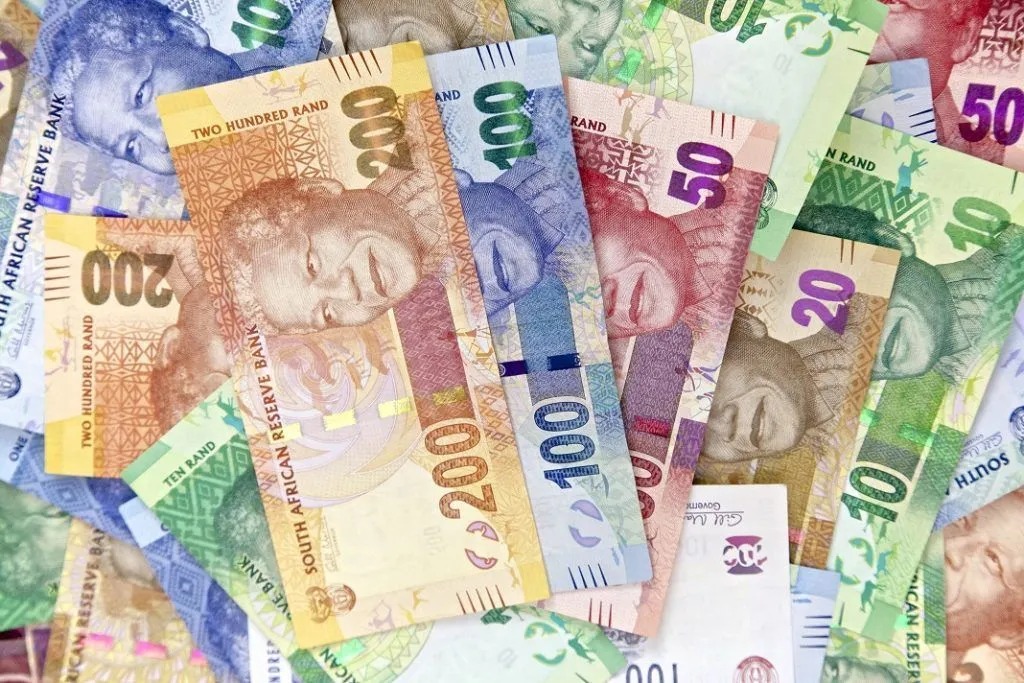
African countries collectively lose more than eighty-eight billion dollars each year to illicit financial flows, according to the United Nations Economic Commission for Africa and Ghana’s Financial Intelligence Centre. It is money that could have strengthened public health, education, or infrastructure, yet instead often supports criminal enterprises or disappears into tax havens.
The 2025 Global Organised Crime Index paints a stark picture. Financial crime remains the most dominant criminal market on the continent. Human trafficking, non-renewable resource crimes, counterfeit goods, and arms trafficking follow close behind. Countries like the Democratic Republic of the Congo, South Africa, Nigeria, and Kenya all ranked among the highest for organised crime and vulnerability.
While crime patterns vary, underlying pressures such as poverty, inequality, and climate instability push more people into informal and sometimes criminal markets. At the same time, elections or political transitions often create fertile ground for illicit funds as actors battle for influence and control.
How Professionals Make Dirty Money Look Clean
One of the most revealing insights in the report is the role of professional intermediaries. Lawyers, accountants, corporate service providers, and real estate consultants often become the bridge between illegal profits and the legitimate economy.
In Southern Africa, professional money laundering networks have helped syndicates involved in gold, drugs, tobacco, and human trafficking move their profits to international destinations such as Hong Kong and Dubai. Their role is not limited to advice. They draft paperwork, create business structures, and ensure that large sums can cross borders unnoticed.
In East Africa, some legal practitioners have created shell companies in Nairobi, Dar es Salaam, and Kampala to support fraudulent gold investment schemes. Investors have lost hundreds of millions to operations that were masked by legal expertise and professional credibility.
Beyond law firms, front companies in real estate, construction, and the trade in precious metals offer convenient vehicles for converting illegal proceeds into seemingly legitimate assets. The gold and scrap metal sectors are especially vulnerable because of the ease with which second-hand metals can be moved and revalued.
Property and Construction Are Major Hotspots
Real estate in Africa is considered a high-risk sector for illicit finance. Many property purchases are made in cash, and beneficial ownership is often unclear. This makes it simple for criminal actors to hide assets, shift profits, or inflate values through cash-funded renovations and resale.
Construction offers even more room for abuse. The sector handles large sums with limited oversight and plenty of loopholes. In Chad, construction was identified as the top money laundering risk in 2023. Kenya’s Business Registration Service found that more than half of the companies flagged for laundering concerns in 2024 operated in construction.
South Africa has not escaped these patterns. Cape-based gangs have long targeted construction tenders, and in 2025, gang leader Ralph Stanfield and local government official Malusi Booi were arrested and charged in connection with alleged fraudulent tenders used to launder criminal proceeds.
Airports, Borders, and Gold Routes Offer Easy Pathways
Trade is a powerful engine for illicit finance. Weak border control, limited cargo checks, and the rapid expansion of private aviation make airports ideal transfer points for cash, drugs, and gold. Even small private airstrips can become part of sophisticated smuggling networks.
Gold remains one of the most exploited commodities for illicit finance. Supply chains are often controlled by state or political actors who profit from opaque markets. Seaports, Free Trade Zones, and Special Economic Zones offer even more opportunities because they allow goods to move with minimal scrutiny.
Why Governments Must Target Insiders First
Willem Els, Senior Training Co-ordinator at the Institute for Security Studies, warns that illicit finance is crippling national economies. He argues that one of the biggest problems is the involvement of state-embedded actors who enable or protect criminal networks.
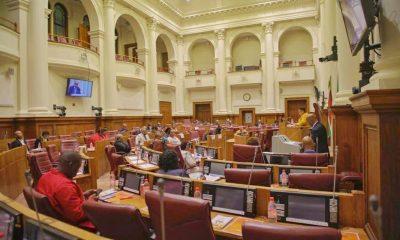
This concern is currently being examined by South Africa’s Madlanga Commission of Inquiry and the Parliament Ad Hoc Committee. Both bodies are investigating criminal infiltration in the justice system, particularly within the police. Their work is expected to shed more light on how deeply these networks stretch and which public structures have been compromised.
A New Era of Accountability Is Needed
Illicit financial flows have become one of the greatest threats to Africa’s development. The damage goes far beyond lost revenue. These networks distort elections, weaken institutions, endanger communities, and reinforce criminal power.
The report makes it clear that a meaningful turnaround will require accountability from the inside. Governments must dismantle the networks that operate within their own systems. Transparency around financial institutions, trade routes, property markets, and construction contracts is essential.
If Africa is to protect its future, the fight against illicit finance must become as ambitious and coordinated as the criminal networks it seeks to dismantle.
Also read: When Justice Feels Unsafe: South Africa’s Magistrates Raise the Alarm
Follow Joburg ETC on Facebook, Twitter, TikT
For more News in Johannesburg, visit joburgetc.com
Source: IOL
Featured Image: Corporate Finance Institute