News
Your Demerit Points Could Now Lead to a Driving ‘Intervention’
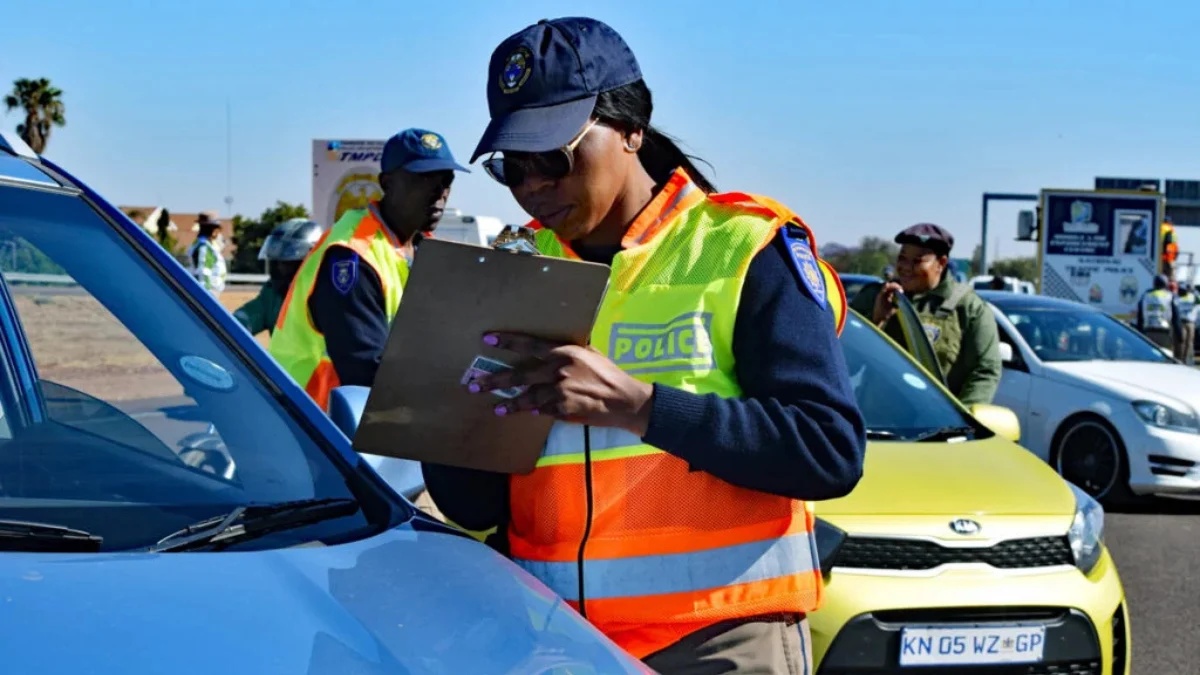
For years, the conversation around South Africa’s traffic laws has revolved around fines, bribes at the roadside, and the occasional licence suspension. But a seismic shift is comingone that moves beyond punishment and into what the government terms “correcting attitudes.” Under the long-delayed but impending Administrative Adjudication of Road Traffic Offences (AARTO) system, losing your licence won’t just mean a time-out. It could mean mandatory state-prescribed rehabilitation before you’re allowed back behind the wheel.
How the Point System Turns into an Intervention
The mechanics are strict. Every driver starts at zero demerit points. Pay a fine for an infringement, and points are added to your name. Reach 15 points, and your licence is suspended. But here’s the new frontier: if you accumulate more than 15, each extra point tacks on an additional three-month ban. Hit 19 points? That’s a full year off the road.
Drive during suspension, and it becomes a criminal offence. But the real reckoning comes if you reach the 15-point threshold for a third time. Your licence isn’t just suspendedit’s cancelled. You’ll be back to square one: learner’s test, driving test, the full ordeal.
The Mandatory “Driver Rehabilitation Programme”
This is where AARTO diverges from any system South Africa has seen before. To get your licence back after a cancellation, you cannot just wait out the disqualification period. You must complete a state-designed driver rehabilitation programme.
According to the Road Traffic Infringement Agency (RTIA), this programme targets “frequent offenders” and aims to fix the behaviour leading to repeated violations. It’s not just a refresher course. It will include:
-
Lessons on road laws and driver responsibility.
-
A driving simulator test to assess skills under pressure.
-
A psychological assessment to determine if a driver is mentally and emotionally fit to return to the road.
Successfully completing the programme removes four demerit points, allowing an immediate application for new licences. It’s a carrot-and-stick approach where the carrot is a chance to prove you’ve been reprogrammed.
Delays and Deep-Seated Doubts
Despite the firm stance, the system’s rollout remains mired in delays. Initially slated for December 2025 in 69 municipalities, the Department of Transport has pushed the start date to 1 July 2026, citing municipalities’ unreadiness due to staffing, system alignment, and funding issues. Full national implementation is now only expected by mid-2027.
The delays feed into broader criticism. Organisations like the Organisation Undoing Tax Abuse (OUTA) argue the system is overly complex and won’t enhance safety. The Western Cape government has fought for an exemption. Public sector unions warn of administrative chaos, potential corruption, and job losses.
A Cultural Reset or a Bureaucratic Beast?
The government’s position is clear: this is a necessary cultural reset. With road fatalities remaining at crisis levels, the argument is that fines alone are ineffective. The demerit system coupled with mandatory rehab is positioned as a holistic solution to instil lasting behavioural change.
Yet, many South Africans on social media and talk radio express deep skepticism. Concerns range from the system’s administrative competence (“Can they even post a licence on time?”) to more philosophical questions about state-mandated psychological evaluation. Is this a justified public safety measure, or an overreach into personal liberty?
One thing is certain: the era of simply paying a fine and moving on is ending. The new road rules envision a future where repeat offending triggers not just a penalty, but a forced recalibration of the driver behind the wheel. Whether it becomes a landmark success or a bureaucratic nightmare remains South Africa’s next great road test.
{Source: BusinessTech}
Follow Joburg ETC on Facebook, Twitter , TikTok and Instagram
For more News in Johannesburg, visit joburgetc.com