News
Asia’s Monsoon Disaster Nears 1 200 Deaths as Aid Arrives
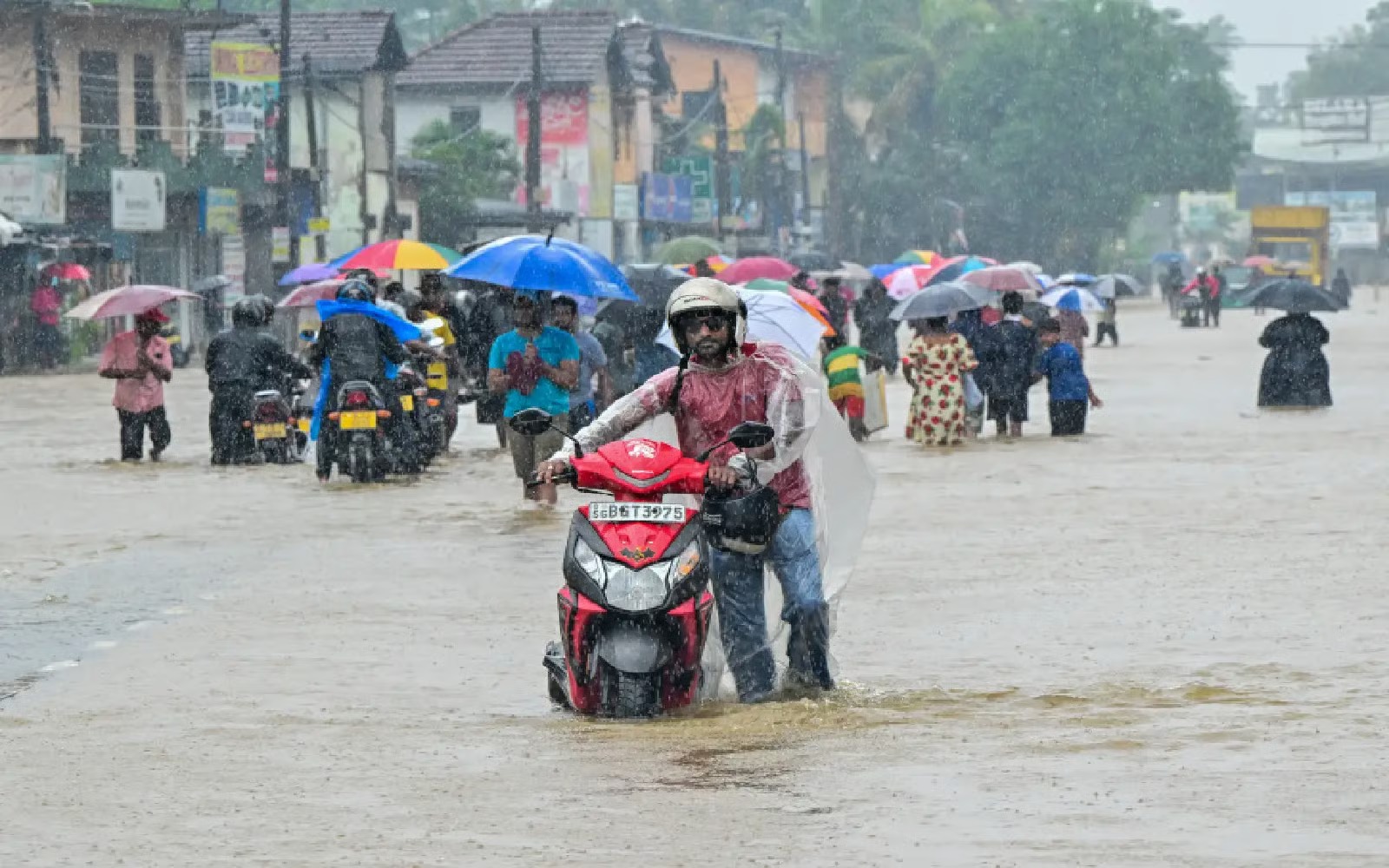
Monsoon chaos leaves families stranded across four countries
In parts of Indonesia and Sri Lanka this week, ordinary life has been replaced by a scramble for survival. Entire communities are picking through the wreckage left behind after torrential monsoon rains, fuelled by two tropical cyclones, swept across four Asian countries. Close to one thousand two hundred people have died, and hundreds of thousands are now depending on emergency shelters for safety, clean water, and food.
Although the water has finally retreated in many places, the scars left behind show just how powerful the storms were. In Sri Lanka, floodwaters rose with frightening speed in areas that are usually able to cope with seasonal rains. In Indonesia, the stories coming out of Aceh are filled with fear, shock, and a mounting sense of urgency.
When the rain turned deadly
Indonesia’s Sumatra region was among the hardest hit. Residents in Aceh described walls of water that arrived with no warning at all. One survivor from East Aceh said the torrent moved like a tsunami, swallowing everything in its path. Many families escaped by climbing onto higher structures such as markets and public buildings, spending hours huddled together while the storm raged around them.
Power cuts, damaged roads, and destroyed phone towers have made communication extremely difficult. With supply routes blocked, long queues formed at fuel stations as people desperately stocked up on essentials.
Food prices have soared in local markets. Everyday produce, such as chillies, has tripled in price. Many households are now rationing what little they can find. Aid groups warn that several communities in Aceh face the risk of severe food shortages within days if supply chains are not restored.
Governments move quickly as aid ships set course for hard-hit regions
Jakarta has started shipping emergency supplies to the worst-affected provinces. The government confirmed that thirty-four thousand tons of rice and more than six million litres of cooking oil are on the way to Aceh, North Sumatra, and West Sumatra. Officials say delays could cost lives.
Charities are also stepping in. Islamic Relief confirmed that twelve tonnes of food were en route to Aceh aboard an Indonesian naval vessel on Tuesday. Disaster agencies say more than one million Indonesians have been displaced, and hundreds remain missing across Sumatra alone.
Neighbouring countries have not been spared. In southern Thailand, at least one hundred and seventy-six people lost their lives. Across the border in Malaysia, two more deaths were recorded as the same weather system swept through the region.
Sri Lanka faces its most challenging natural disaster in memory
A separate storm hit Sri Lanka with unrelenting force, smothering the country in days of rain. Flash floods and landslides have killed at least three hundred and ninety people. The central highlands remain extremely dangerous, with many roads still blocked by mud and debris.
President Anura Kumara Dissanayake has declared a state of emergency, describing the crisis as one of the most challenging natural disasters the country has ever experienced. Unlike Indonesia, Sri Lanka has called for international help.
The Sri Lankan air force, along with teams from India and Pakistan, has been flying food, medical supplies, and rescue teams into the hardest-hit districts. In Welimada, security forces recovered several bodies from a mudslide on Monday, a grim reminder of the scale of the disaster.
In Colombo, water levels are slowly dropping, though residents say the speed of the flooding took them by surprise. The city is no stranger to wet seasons, but this time the water rose faster than anyone expected.
Climate change brings new extremes
Scientists have long warned that a warming atmosphere holds more moisture and increases the intensity of storms. Warmer oceans also feed cyclones, turning seasonal rains into catastrophic events. For communities across Indonesia, Sri Lanka, Thailand, and Malaysia, these warnings have become a lived reality.
Social media across the region has been flooded with calls for donations, prayers, and shared stories of survival. Many are demanding greater investment in climate resilience, early warning systems, and long-term community support. Others are simply trying to trace missing loved ones.
The urgent days ahead
The next week will be critical. Humanitarian groups say food shortages could quickly escalate into a hunger crisis if supply routes are not repaired. Families living in crowded shelters are already reporting rising cases of fever among children, along with a lack of medicine and safe drinking water.
For now, rescue workers, volunteers, and military teams from several nations are racing to reach isolated villages before the rains return. Communities across the region are holding on to hope that the worst has passed and that help will continue to arrive in time.
Follow Joburg ETC on Facebook, Twitter, TikT
For more News in Johannesburg, visit joburgetc.com
Source: IOL
Featured Image: Free Malaysia Today