Motoring
Repo Diaries: I Bought a R50,000 Car at Auction. Here’s What Happened Next.
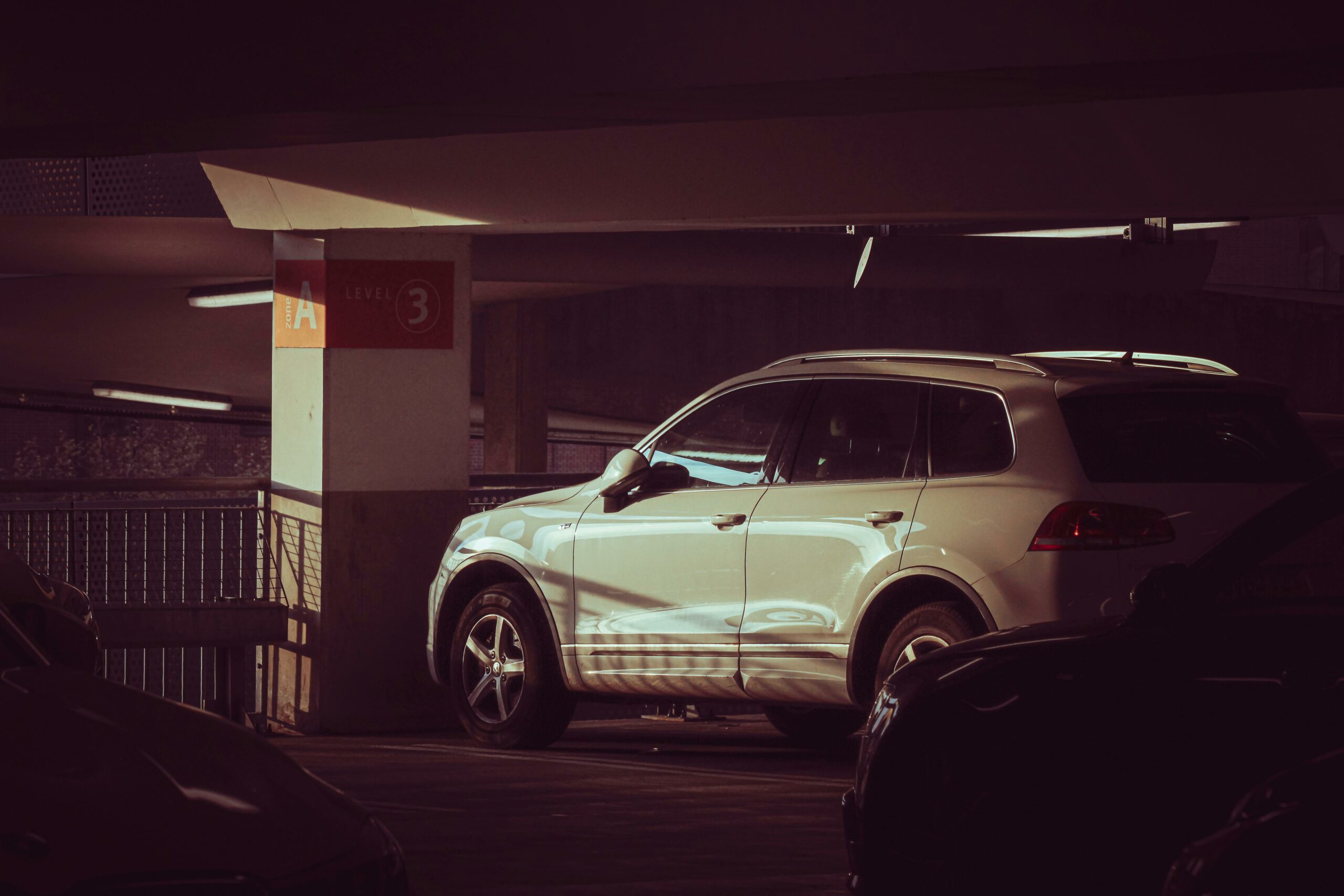
The promise of a repo auction is a siren song: a nearly-new car for half its value. The reality is a high-stakes poker game where you can’t see your cards. We decided to cut through the hype and fear by shadowing Thomas, a first-time buyer, on his mission to buy a repossessed car. This is his unvarnished journey from the auction floor to the open road.
Act I: The Fever Dream of the Auction Floor
The atmosphere is pure adrenaline. Fast-talking auctioneers, flashing numbers, and the sharp crack of the gavel. Thomas had done his homework. He’d pored over the online catalogue, identified three targets: a 2016 Ford Fiesta, a 2014 VW Polo, and a 2017 Toyota Yaris. He’d attended the viewing, peering at engines and checking for mismatched paint.
“You feel like a detective,” he said, “but one with very limited time and no ability to actually investigate anything.” The cars are sold “voetstoots” – as is, where is. You get a few minutes to look, not hours to inspect.
When the Fiesta came up, the bidding was frenetic. Thomas stuck to his pre-set limit of R48,000. The hammer dropped at R52,000. “A mix of relief and FOMO,” he laughed. The Polo went even higher. Then came the Yaris. It looked clean, but the engine bay was dusty. With his budget dwindling and pressure mounting, Thomas raised his paddle at R45,000. One counter-bid. He held his breath and nodded at R46,500.
Crack. The gavel fell. He’d just bought a car he’d heard run for 30 seconds.
Act II: The Hidden Tax of a ‘Bargain’
The hammer price is a lie. This is the critical lesson. Thomas’s R46,500 Yaris immediately incurred a 12% buyer’s premium: R5,580. Total so far: R52,080.
Then came the paperwork. The car needed a roadworthy test, which it failed. The list: Two bald tyres (R2,800), a broken headlight (R1,200), and a worn brake pad (R900). The auction house doesn’t care. This is your problem now.
“The ‘bargain’ starts to feel very theoretical,” Thomas noted, tallying the new total: R56,980. He then had to secure temporary registration and insurance before he could even drive it to his own mechanic.
Act III: The Mechanic’s Verdict
This is the moment of truth. Thomas’s trusted mechanic put the Yaris on the lift. The verdict was surprisingly good. No major leaks, suspension was sound, engine was clean. “You got lucky,” the mechanic said. “But you paid for that luck with those immediate repairs.”
The final tally, with a full service and oil change, landed at just over R59,000.
The Final Balance Sheet
So, did he save money? A similar Yaris from a private seller might have cost R65,000-R70,000, likely with a roadworthy. He saved, but not as dramatically as the auction promised. What he bought wasn’t just a car; it was an education.
“You’re not paying for a car,” Thomas concluded. “You’re paying for the right to take a massive risk. Your skill is in calculating that risk better than the person bidding next to you.”
His advice? Your budget isn’t your bid. It’s your bid, plus 15%, plus another R10,000 for immediate fixes. If you can’t afford that total, don’t raise the paddle. The auction floor is no place for hope. It’s a place for cold, hard math.
Follow Carmag on Instagram and Facebook
Click here to browse a selection New and Used Cars for Sale