News
Italy’s Luxury Fashion Houses Rocked By Sweatshop Scandal
Italy’s high-gloss fashion world, known globally for craftsmanship and prestige, is now grappling with an uncomfortable truth. A series of sweatshop investigations has peeled back the fabric of the country’s luxury supply chain, revealing harsh conditions, exploited migrant workers, and major brands accused of looking the other way.
The revelations have sparked national outrage in a country where “Made in Italy” is more than a label. It is a cultural badge of honour, a symbol of artistry, heritage and economic pride. Now, that image is under unprecedented scrutiny.
A Scandal That Started With Subcontractors
Since 2024, Milan prosecutors have placed five well-known fashion companies under court administration after uncovering abusive labour practices within their subcontractors. The latest brand to land in court is Tod’s, the luxury leather house famous for loafers that can sell for more than $1,000.
Prosecutors allege that Tod’s had knowledge of worker exploitation at Chinese-run subcontractors but failed to implement proper oversight. Investigators say some workers earned as little as 2.75 euros per hour. Others reportedly slept in “degrading” onsite quarters while working excessive hours.
Tod’s has denied wrongdoing and cut ties with the subcontractors. Its legal team requested more time to strengthen internal controls, prompting a postponement of the next hearing to February.
A Broader Pattern Across The Luxury Industry
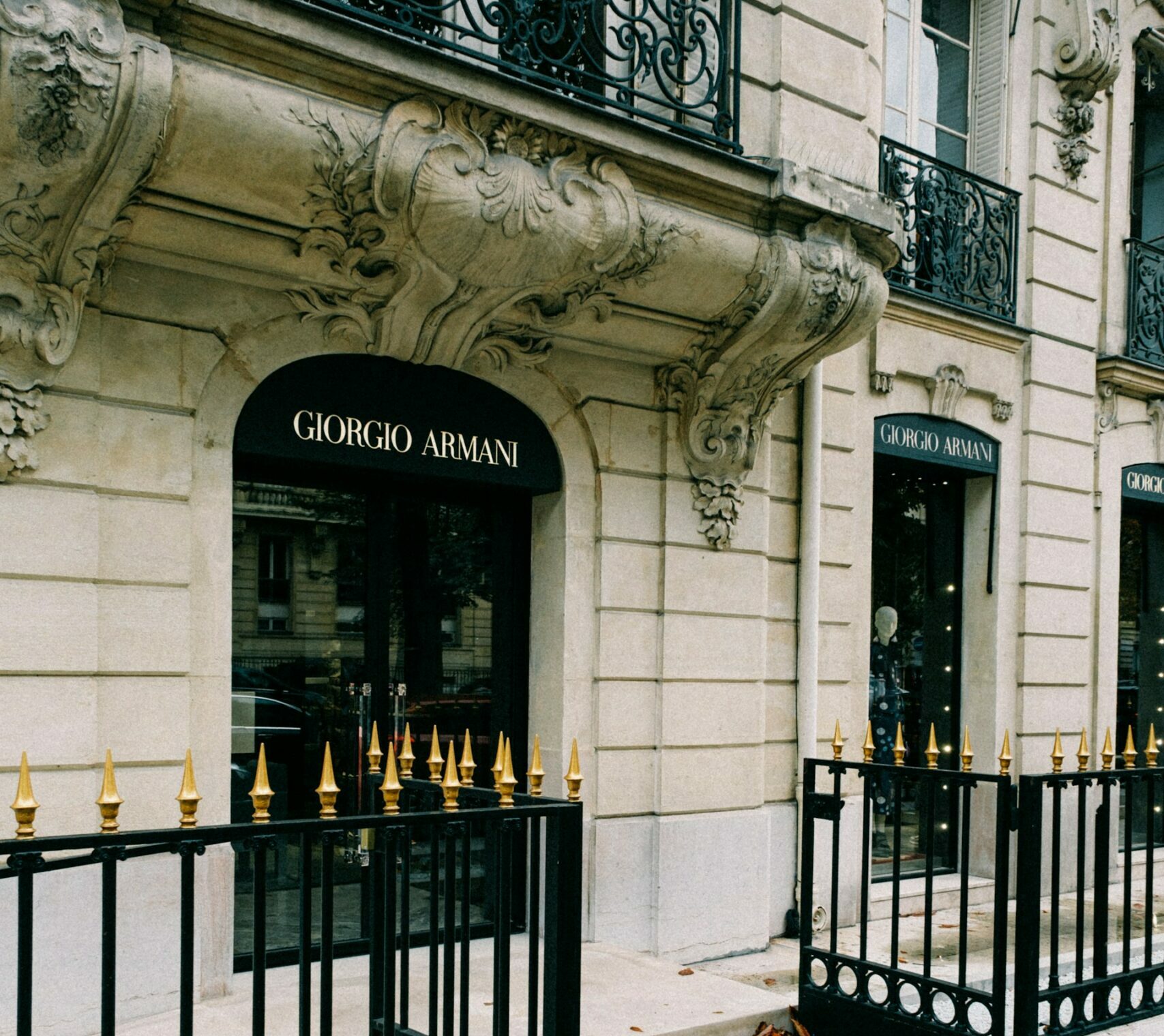
What makes this case more alarming is that Tod’s is not alone. Other major names have surfaced in the same investigation, including Loro Piana, Dior’s Italian subsidiary, Giorgio Armani Operations and Alviero Martini. Prosecutors have hinted that more brands may soon come under scrutiny.
Investigators argue that the abuse stems from a well-known but poorly regulated industry practice: subcontracting. Big labels outsource production to smaller suppliers, who then outsource again. Each step adds pressure to cut costs, often at the expense of workers.
Labour rights advocates say the system traps migrant workers, particularly Chinese labourers, in exploitative conditions. According to Deborah Lucchetti of the Clean Clothes Campaign, suppliers are squeezed by luxury brands that demand top-tier production at unsustainably low prices. The result is a “chain of exploitation” where responsibility becomes easy to disown.
Government Steps In, Critics Push Back
The Italian government has defended the industry fiercely. Industry Minister Adolfo Urso accused global media and prosecutors of tarnishing Italian excellence. To restore confidence, the state has proposed a new certificate to verify that luxury brands comply with labour regulations.
But critics argue the certificate is voluntary and risks shielding companies rather than holding them accountable. Labour activists say meaningful change will require transparency and structural reform, not just public relations damage control.
Brands Race To Protect Their Image
With reputational risk mounting, some fashion houses are moving to reassure the public. Prada recently opened its Scandicci factory outside Florence to journalists, offering an inside look at how its handbags are produced.
Prada’s Chief Marketing Officer Lorenzo Bertelli admitted that monitoring the supply chain is a “constant battle” despite the company owning 25 factories, most of them in Italy. He said regular inspections remain essential to maintaining ethical standards.
Social Media Reaction And Public Sentiment
Online, the scandal has dominated Italian fashion talk. Critics argue that the myth of luxury craftsmanship has long masked uncomfortable truths. Others express disappointment, saying the findings contradict the pride attached to Italian fashion heritage.
South Africans on X have also chimed in, some noting the similarities with global fast-fashion supply chains, while others expressed shock that even top-tier European luxury houses rely on vulnerable workers.
What Comes Next?
The investigations are still unfolding, and the industry has been warned that more brands may soon come under scrutiny. For now, prosecutors say the evidence suggests top fashion houses could not have been unaware of subcontractors’ practices, especially when some suppliers lacked basic production machinery.
Italy faces a defining moment. Either it protects the true meaning of “Made in Italy” or risks seeing its most valuable cultural export tarnished beyond repair.
If successful, these probes may force the luxury world to rethink how it balances profit, prestige and the dignity of the people behind the craft.
{Source:IOL}
Follow Joburg ETC on Facebook, Twitter , TikTok and Instagram
For more News in Johannesburg, visit joburgetc.com