News
Rubio blasts South Africa’s post-Mandela leadership, says policies drove talent abroad
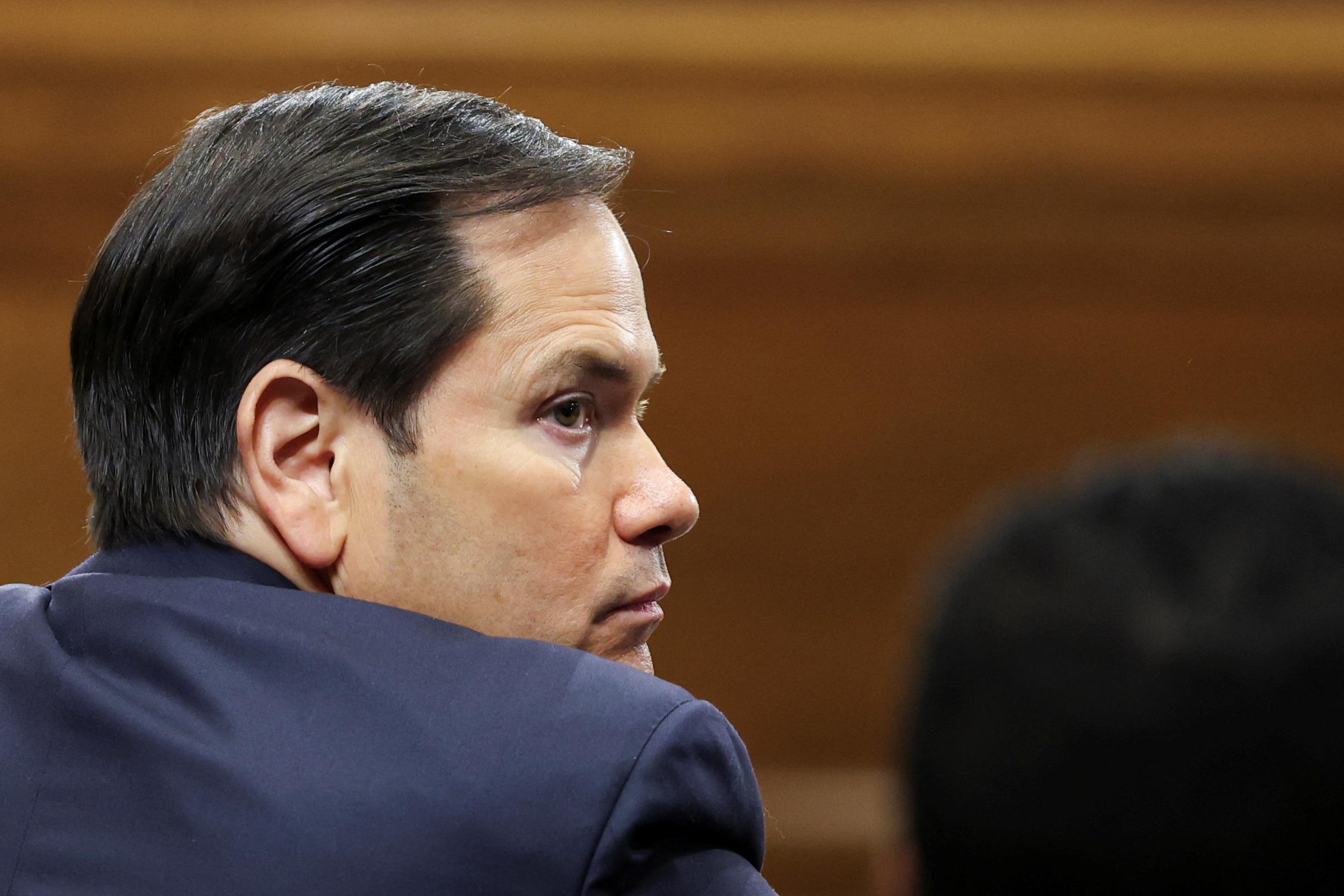
Rubio’s fiery rebuke: Has SA drifted too far from Mandela’s blueprint?
US Secretary of State Marco Rubio says post-Mandela leadership pushed skilled South Africans abroad and weakened the economy. Pretoria is yet to respond.
In a speech that sent shockwaves across diplomatic circles and set South African social media ablaze United States Secretary of State Marco Rubio openly criticised the direction South Africa has taken since Nelson Mandela’s presidency. His words were blunt, heavy, and with little cushion. According to Rubio, the nation that once stood as a beacon of hope for democracy has “lost its way.”
Rubio argued that Mandela laid the foundation for a reconciled, economically thriving South Africa a country rich in minerals, fertile land, global goodwill and world-class infrastructure. But somewhere along the way, he says, the wheels came off.
“Sadly, Mandela’s successors have replaced reconciliation with redistributionist policies that discouraged investment and drove South Africa’s most talented citizens abroad,” Rubio said, insisting the private sector has been crippled by racial quotas while corruption “bankrupts the state.”
It was the kind of statement that forces a country to look in the mirror whether it agrees or not.
A stinging assessment of the economy
Rubio didn’t mince his words when addressing South Africa’s economic standing.
“The numbers speak for themselves. As South Africa’s economy has stagnated under its burdensome regulatory regime driven by racial grievance, it falls firmly outside the group of the 20 largest industrialized economies.”
South Africans know the story too well load shedding, brain drain, a shrinking middle class, youth unemployment that feels never-ending. For many, his critique echoed frustrations whispered in taxis, shared at braais, and debated over timelines.
Others, though, were quick to call out what they view as selective history.
Local analysts noted that South Africa’s challenges are rooted in a complex legacy: apartheid-era inequality, global economic shocks, and governance failures that have piled up over decades not overnight. Still, Rubio’s comments landed because they touched on real pain points.
Foreign policy also in the firing line
Rubio didn’t stop at economics. He accused the ANC-led government of straining relations with the US and aligning itself with countries like Iran, while hosting sympathisers of Hamas. He said South Africa’s stance during its 2025 G20 presidency created rifts within global partners.
“South Africa focused on climate change, diversity and inclusion, and aid dependency… It blocked US inputs into negotiations… It doxed US officials,” Rubio claimed.
He went as far as announcing that the US will not invite South Africa to the 2026 G20 Summit in Miami, drawing a diplomatic line in the sand.
That’s a big move and one that could shape future international alliances.
A nation reacts: divided, defensive, reflective
Within hours, X (Twitter) was bubbling:
-
“Rubio must mind America’s own issues before lecturing SA.”
-
“He’s saying what many are afraid to say out loud.”
-
“Mandela’s legacy wasn’t perfect either context matters.”
-
“Brain drain is real. Ask anyone at OR Tambo departures.”
Even without an official government response, the public conversation is already underway. Is this harsh criticism or a needed wake-up call? Can two nations with deep trade ties afford this diplomatic chill?
Where does South Africa go from here?
Whether one agrees with Rubio or not, his message is impossible to ignore. He draws a direct line from policy choices to national outcomes, and from foreign positioning to global partnerships.
His speech arrives at a time when South Africans are asking uncomfortable questions:
-
Why are skilled professionals leaving?
-
What must change to revive economic growth?
-
Are we still living up to Mandela’s long-term vision?
History tells us nations reinvent themselves, sometimes only after facing hard truths. Rubio’s remarks may sting, but they also push a conversation South Africans have been tiptoeing around for years.
The ball is now in Pretoria’s court. Silence won’t hold forever.
{Source: IOL}
Follow Joburg ETC on Facebook, Twitter , TikTok and Instagram
For more News in Johannesburg, visit joburgetc.com