News
City of Tshwane vs Volunteer Firefighters: Court to Decide Future of Community Firefighting
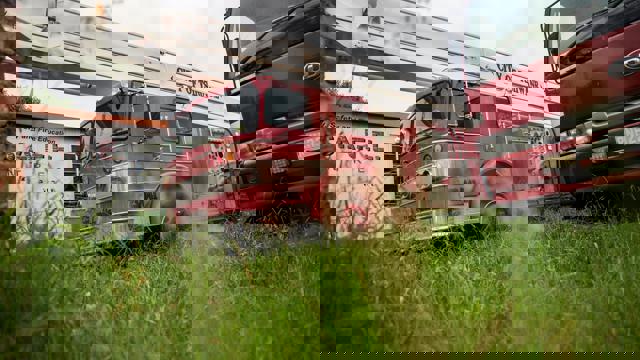
Tshwane vs Volunteer Firefighters: Court to Decide Future of Community Firefighting Unit
As tension burns between the City of Tshwane and one of its most active volunteer firefighting units, a High Court judgment expected next week could shape the future of private emergency response in the capital. What started as a dispute over legality has sparked a national debate around community safety, shrinking municipal capacity, and whether help should ever be turned away when lives are on the line.
For now, all eyes are on the matter between the City of Tshwane and the Sinoville Firefighting Association (SBBV) a volunteer-run team known to many Pretoria North residents for pulling up to fires long before official sirens are heard.
A Fight Over Firehoses and Authority
In court, Tshwane argued that SBBV is operating without legal grounding, accusing them of interfering with official command structures during emergencies, and even compromising scene management. The city insists firefighting should remain regulated, accountable, and centralised to prevent chaos at incident sites.
SBBV, backed by AfriForum, disagrees, strongly.
AfriForum’s disaster management specialist Tarien Cooks told the Pretoria High Court that no law explicitly prohibits private or volunteer firefighting services. In fact, she argued, when state capacity crumbles, community response becomes critical.
Her stance hits home for many South Africans. It’s no secret municipalities are battling financially especially Tshwane, which has faced consecutive budget deficits, burnt-out fleets, and overstretched emergency units. For residents, volunteers stepping in feels like a lifeline, not a threat.
Judge J Davis, recognising the matter’s significance, reserved judgment, saying the case carries major implications for community-led emergency response.
When the City Can’t Keep Up, Communities Do
Volunteer firefighter and SBBV founding member JP Botha painted the picture plainly: the association was born because official fire services weren’t always able to respond. In neighbourhood WhatsApp groups, that’s a story many Pretoria residents know too well.
Over the years, SBBV volunteers, trained, fully kitted, unpaid, have tackled burning shacks, veld fires, house blazes and hazardous emergencies in the north of Pretoria. Residents share videos of them arriving within minutes sometimes quicker than municipal crews stuck across town.
For some, the question raised by Tshwane feels upside down. Social media sentiment echoed the same frustration:
“If they are saving lives, why fight them?”
“We need more firefighters, not fewer.”
Others caution that emergency response must be regulated to prevent uncoordinated intervention a fair concern in high-risk environments where command structure saves lives.
The real issue lies in balance: Do volunteers strengthen the system or undermine authority? And can municipalities afford to operate alone anymore?
A Case Bigger Than Tshwane
This ruling could set a precedent. If Tshwane succeeds, other metros may follow suit and clamp down on private responders. If SBBV wins, volunteer firefighting may become more recognised possibly regulated, supported, or formalised.
Either way, the case reveals a deeper national truth: communities are stepping in where the state battles to cope from neighbourhood watch patrols to private ambulance services.
And in a country where fires don’t wait for paperwork, the court’s decision might determine who’s allowed to show up when flames rise.
{Source: The Citizen}
Follow Joburg ETC on Facebook, Twitter , TikTok and Instagram
For more News in Johannesburg, visit joburgetc.com