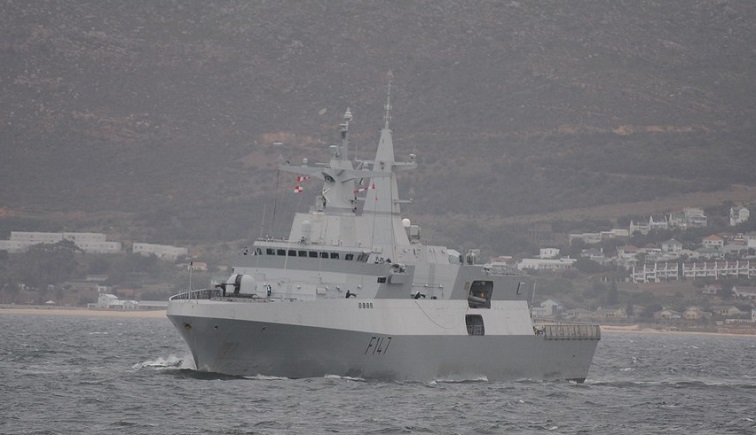
For a nation with a coastline stretching nearly 3,000 kilometres and some of the world’s busiest shipping lanes rounding its capes, a seat at the global maritime table isn’t a luxuryit’s a strategic necessity. This week, the international community confirmed that South Africa’s voice still carries significant weight in this arena. The country has been successfully re-elected to the Council of the International Maritime Organization (IMO) for the 2026–2027 term, reclaiming a position it held continuously for over two decades until 2021.
The Maritime Business Chamber (MBC), a key industry body, was among the first to celebrate the diplomatic victory. Its Executive Chairperson, Unathi Sonti, hailed the re-election as “an affirmation of the nation’s continued leadership in global maritime governance.” The campaign, he noted, was a testament to “diplomatic excellence, strategic engagement, and strong bilateral relations.”
Why a Seat on the IMO Council Matters
The IMO is the United Nations agency that writes the rulebook for global shipping. Its decisions, codified in conventions like SOLAS (safety of life at sea) and MARPOL (marine pollution), dictate everything from ship construction and crew training to environmental standards and cybersecurity protocols. As a Category C member of the 40-seat Councilthe IMO’s executive bodySouth Africa helps oversee this critical work, ensuring the country’s interests and those of the developing world are reflected in policies that affect a vital sector of its economy.
A Stronger African Tide
The re-election is also a win for continental representation. South Africa joins a strengthened African bloc on the Council, with Liberia elected in the top-tier Category A (largest ship-owning nations) and Nigeria, Morocco, and Egypt also winning seats in Category C. This collective presence ensures Africa’s diverse maritime interestsfrom major ports and coastal states to landlocked economies reliant on sea tradehave a more powerful, unified voice.
Sonti did express regret that Kenya, a fellow maritime player, failed to secure re-election, noting its absence slightly weakens a “fully representative African maritime voice across all four regions.” Nevertheless, the overall gains signal growing recognition of Africa’s central role in global maritime affairs.
More Than Just Prestige
For South Africa, this is about tangible influence. The Council position allows direct input on regulations impacting the Ports of Durban, Cape Town, and Ngqura, on the safety of coastal waters, and on the just transition to greener shippinga critical issue for a nation situated on major trade routes. It’s a platform to advocate for fair practices, technology transfer, and support for developing maritime economies.
As the newly elected Council prepares for its first session in December 2025, South Africa is back in the room where it matters. After a brief absence, the country has successfully navigated the diplomatic channels to return to the helm of global maritime governance, ready to help steer the future of an industry on which its own prosperity so deeply depends.