Culture Craze
The Black Coffee Snapshot Fuelling the “Boy Mom” Conversation
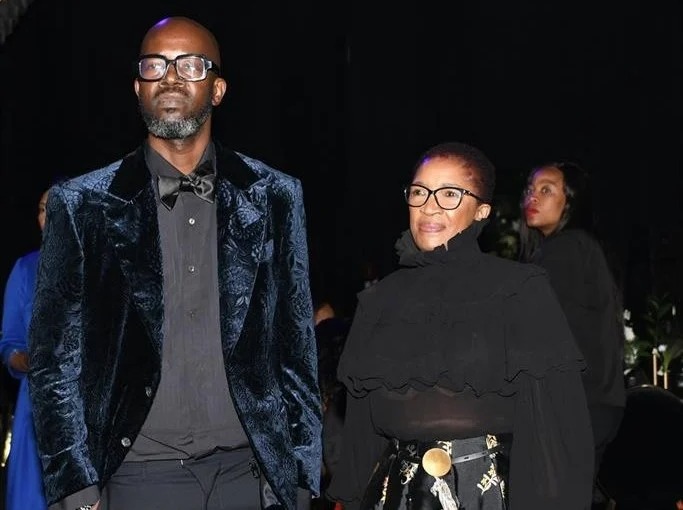
A birthday photo does more than capture a moment
At first glance, the image looked like any other heartwarming family snapshot: a grandmother beaming beside her grandson at a birthday celebration. But the photograph quickly went viral and sparked a fierce debate across South African social media. The woman in the photo was none other than the mother of celebrated DJ Black Coffee, and she was smiling alongside one of her son’s former partners and that woman’s child.
For many, the innocence of a grandparent’s love was obvious. For others, the photo touched a raw nerve: it was seen as emblematic of a deeper cultural pattern, summed up in the now-loaded phrase “boy mom.”
From headlines to household conversations
The timing was significant. The photo emerged against the backdrop of Black Coffee’s highly publicised divorce from actress Enhle Mbali Mlotshwa, finalised in October 2025. During their marriage, it became known that he fathered additional children, a fact that played a central role in their split. His ex-wife received spousal maintenance and a share of his estate, but public fascination lingered around the heartbreak, betrayal, and social fallout of the divorce.
To many watchers, that single image of unity at the birthday party felt like a soft affirmation of loyalty: a mother standing by her son, regardless of the emotional cost to others. The debate quickly moved beyond the celebrity bubble.
What “boy mom” means in modern Mzansi
Originally, “boy mom” was a harmless way to celebrate the joys of raising sons, muddy sneakers, boundless energy, and all the chaos that comes with boyhood. But in recent years, the concept has taken on more weight. Nowadays, “boy mom” often refers to mothers who idealise their sons, shield them from consequences, and implicitly excuse behaviour many view as irresponsible or harmful.
In a society grappling with gender-based violence and shifting expectations around masculinity, this photo struck a chord. Some saw it as a warmer, more inclusive take on parenting and blended families, with grandparents supporting children despite messy adult relationships. Others raised a sharper question: Does unconditional support enable harmful patterns and excuse accountability?
Black Coffees mom is such a perfect example of why the “boy mom” discourse exists https://t.co/fdkGrq7tgj
MAFUNDA 🦋 (@mafvnda_) December 2, 2025
Social media erupted: love, fury and reflection
People did not hold back. Supporters wrote that children deserve love from all parts of the family, regardless of adult issues. One comment captured the sentiment: “Healing for blended families requires putting children first, even when the history is messy.” Another commenter emphasised that grandparents have a universal right to love and be present.
But others were less forgiving. One question resonated widely: “How do you stand by your son’s actions while celebrating with the very people who contributed to destroying a marriage?” Another asked where the line is drawn between prioritising children and enabling harmful behaviour.
For many in Mzansi, the moment was far from just celebrity gossip. It opened up urgent conversations about parenting, accountability, and how cultural expectations shape men and, by extension, women and children.
More than a photo: a mirror held up to society
Ultimately, the picture went beyond capturing a birthday moment. It became a reflection of modern South African family dynamics: blended homes, co-parenting, complicated histories, and the heavy expectations placed on mothers, grandmothers, and caregivers.
Maybe Black Coffee’s mother was simply being a grandmother: smiling, supportive, and present. But for many others, the photograph highlighted the emotional labour families navigate when love, loyalty, and accountability collide.
Those who saw it as a warm family moment are now asking: at what cost comes unity and silence?
If nothing else, the debate has served as a moment of collective reflection, a reminder that our cultural rituals, family bonds, and how we raise children are all deeply political. Maybe, just maybe, it’s an opening for change.
Follow Joburg ETC on Facebook, Twitter, TikT
For more News in Johannesburg, visit joburgetc.com
Source: Bona Magazine
Featured Image: News24