News
A Trans-Continental Vote of Confidence for South Africa’s Rails
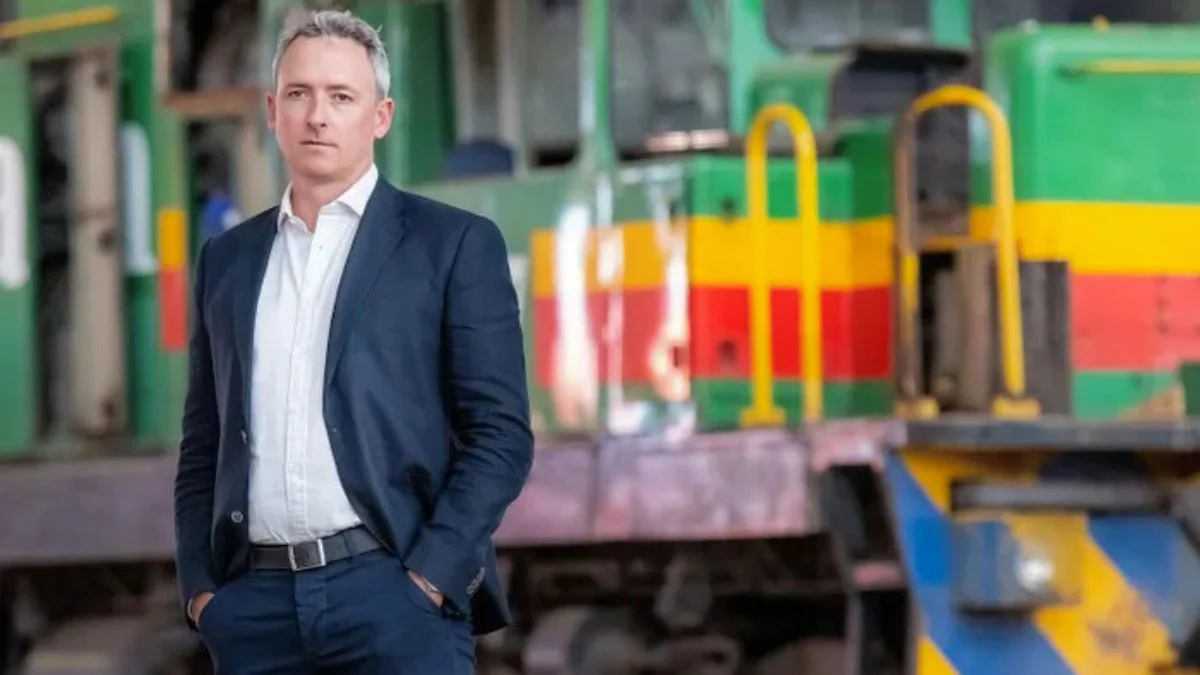
In one of the most tangible signs yet that South Africa’s long-awaited rail reforms are gaining traction, private operator Traxtion has unveiled a landmark R3.4 billion investment to acquire and upgrade 46 diesel-electric locomotives from New Zealand’s KiwiRail. This isn’t just a purchase; it’s a calculated bet on the future of the country’s freight network and a direct response to the government’s push to open the rails to private players.
Traxtion CEO James Holley frames the massive acquisition as a “big vote of confidence” in the policy direction. “We’re happy with the direction of reform… and we’re ready to make an investment off the back of that,” he stated. The move is set to bring “true private rail freight services” to South Africa for the first time, aiming to plug a critical portion of the nation’s crippling freight capacity shortfall.
Why Locomotives from New Zealand?
The opportunity arose from KiwiRail’s own fleet renewal. Traxtion is seizing the chance to buy a large batch of high-quality, narrow-gauge locomotives ideally suited to southern African rail lines. The company will then partner with global giant Wabtec to refurbish and modernise the units, creating what Holley calls a “very high-capacity and high-reliability” fleet that can be deployed rapidly and cost-effectively.
Local Benefits and a Fast Timeline
The deal is structured to maximise local impact. Holley emphasised that 79% of the contract value will flow to South African companies, with about 60% constituting direct local content. The project is expected to create 662 direct jobs, with a multiplier effect potentially generating thousands more across the supply chain.
Speed is a key advantage. Holley projects the first upgraded locomotives will be ready for service within 12 months, a blistering pace compared to traditional state procurement cycles. This fleet will join the dozen similar locomotives Traxtion already operates across Africa, giving the company proven familiarity with the technology.
Solving the “Big Constraint”
The investment addresses a stark economic bottleneck. Transnet currently moves between 160-165 million tons of freight annually against a demand of 250 million tons. “We’re solving a portion of one of the big constraints to economic growth in the country,” Holley noted. Furthermore, with neighbouring countries implementing similar reforms, the door is now open for these private trains to eventually operate across borders, boosting regional trade.
For a nation accustomed to stories of rail decay and dysfunction, Traxtion’s move is a narrative shift. It’s a story of private capital responding to policy reform, of global assets being redirected to solve a local crisis, and of a company betting billions that South Africa’s rails, with the right investment, can once again become arteries of prosperity. The locomotives from New Zealand are more than just metal; they are rolling symbols of a fragile, but growing, confidence.
{Source: BusinessTech}
Follow Joburg ETC on Facebook, Twitter , TikTok and Instagram
For more News in Johannesburg, visit joburgetc.com