News
South Africa’s Justice Crisis: Batohi’s Concessions Put NPA Legitimacy on the Line
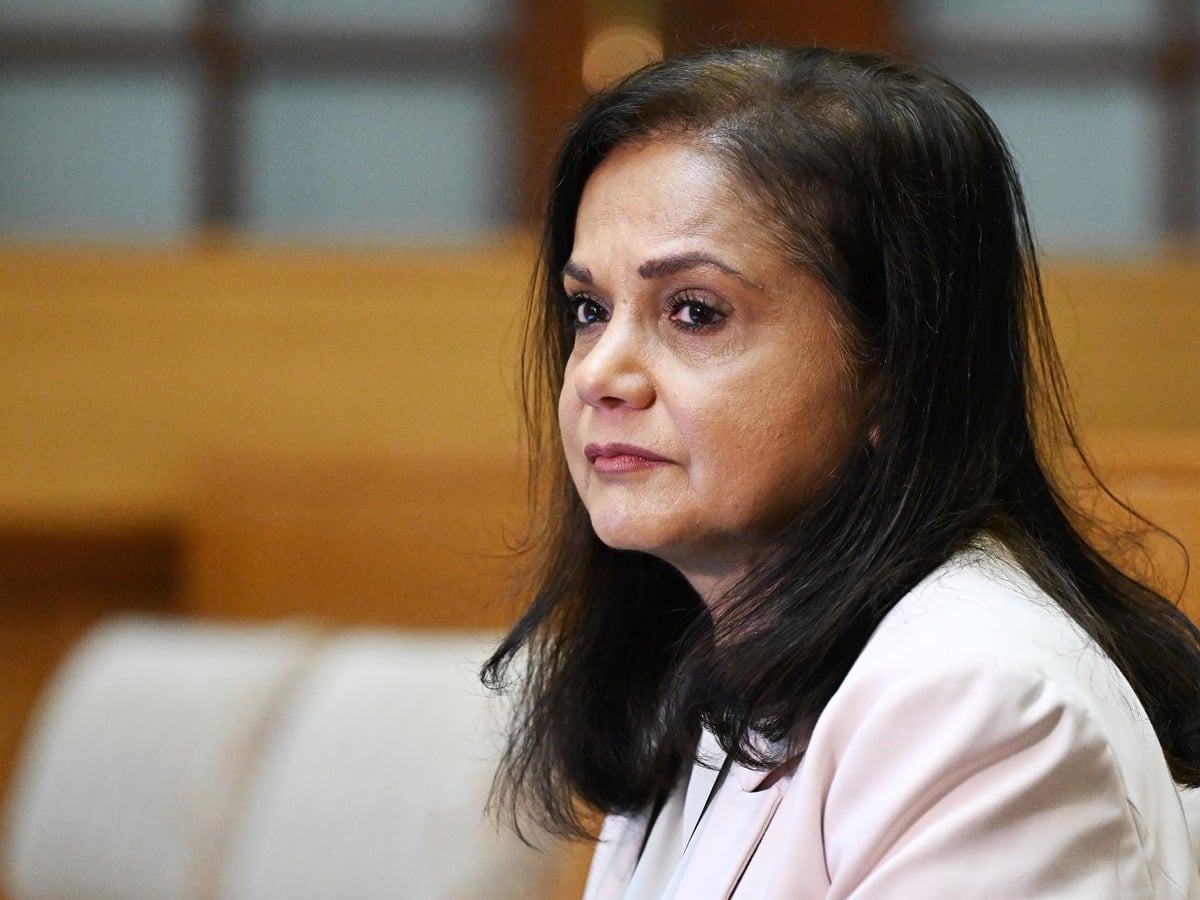
South Africans have long hoped the National Prosecuting Authority would be a fierce defender of justice and accountability. Yet the spotlight has once again turned toward its internal cracks as outgoing prosecutions boss Shamila Batohi faces uncomfortable scrutiny over decisions that led to Gauteng prosecutions chief Andrew Chauke’s suspension. The unfolding inquiry has people across the country asking whether the NPA can still be trusted to do the job it was designed for.
A Cross-Examination that Changed the Tone
During the latest sitting, Advocate Tembeka Ngcukaitobi relentlessly challenged Batohi on what he called a poisoned and irresponsible complaint against Chauke. His questioning pushed her to make concessions that have since raised eyebrows from legal experts to social commentators.
One key admission was that Batohi did not personally review the full case docket related to racketeering charges against former KwaZulu-Natal Hawks head Major General Johan Booysen and the Cato Manor Unit. Instead, she relied on a memo and internal reports. This is no small detail for someone holding the highest prosecutorial authority in the country.
She also acknowledged that some of the charges underpinning Chauke’s suspension were incorrect. Even wording errors had filtered into the official terms of reference from President Cyril Ramaphosa, which now casts fresh doubt on the accuracy of decisions made at the top.
The Bigger Problem: Trust Already Hanging by a Thread
For criminologist Professor Kholofelo Rakubu, the concern is not merely technical errors. It is the broader impact on public confidence. She notes that when leadership makes decisions without properly reviewing evidence, it erodes trust in an institution that already struggles to deliver justice in politically charged matters.
Her view is blunt. If offenders believe the prosecution system lacks strength or consistency, they may feel emboldened, especially in corruption and organised crime. Batohi’s concessions, therefore, risk feeding a growing perception that justice in South Africa is unpredictable and uneven.
Has the NPA’s Legitimacy Been Compromised?
Legal expert Melusi Xulu also found it troubling that Batohi initially resisted cross-examination. For the country’s chief prosecutor, transparency should be non-negotiable. His comment reflects a sentiment many South Africans share that accountability must begin at the very top.
Meanwhile, the inquiry itself continues to examine two high-profile decisions. The racketeering authorisation against Booysen and the withdrawal of murder charges against former crime intelligence boss Richard Mdluli. Both cases carry heavy political baggage, making the NPA’s approach all the more important to get right.
Where to Next for the NPA?
This inquiry has become a mirror reflecting internal weaknesses that can no longer be denied. For ordinary South Africans, the worry is simple: If the justice system falters, who protects their rights?
South Africa’s democratic health depends on prosecutorial independence, integrity, and competence. The NPA must now show it is serious about restoring these values.
A Moment of Reckoning
Batohi’s tenure, which once carried hopes of reform, is ending under dark clouds. What happens next will determine whether the institution she led emerges stronger or loses what little trust remains.
Justice cannot survive on reputation alone. The NPA now has to prove to South Africans that its failings can be fixed and that accountability is not a slogan but a standard.
Also read: Ramaphosa Defends ANC’s Record on Freedom Charter, Highlights 30 Years of Progress
Follow Joburg ETC on Facebook, Twitter, TikT
For more News in Johannesburg, visit joburgetc.com
Source: The Citizen
Featured Image: EWN