News
The Final Bell Rings for MultiChoice on the JSE
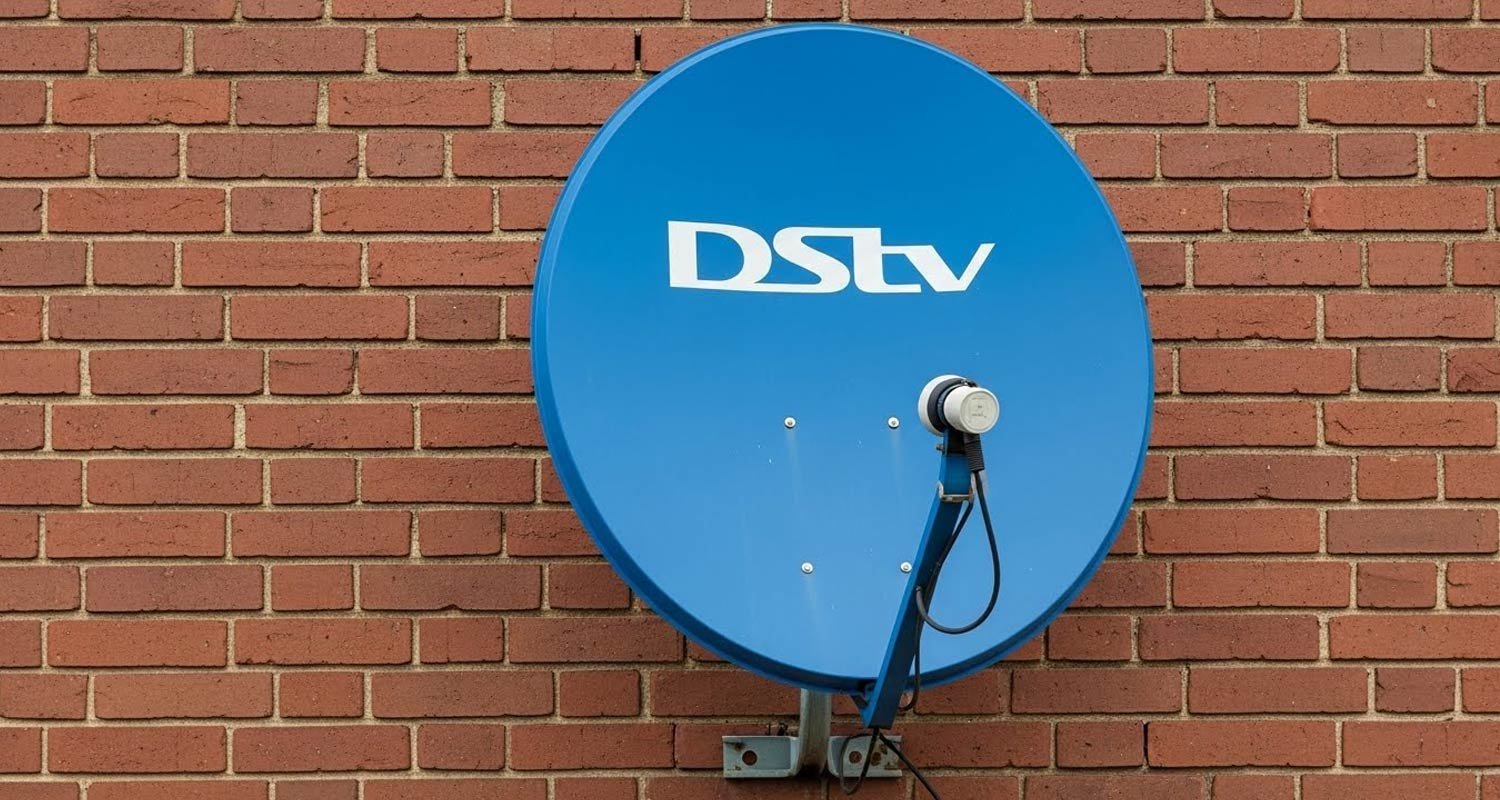
An era in South African corporate history closed this week as MultiChoice, the owner of DStv, was formally delisted from the Johannesburg Stock Exchange (JSE). This follows the completion of a compulsory acquisition by French media conglomerate Groupe Canal+, which now owns 100% of the company. The delisting marks the end of a nearly seven-year run that began with great fanfare but ultimately succumbed to shifting markets and a strategic rescue.
MultiChoice announced the delisting would take effect when markets opened on Wednesday, 10 December 2025. The company was originally spun off from Naspers and listed on 27 February 2019 at R95 per share, intended to be a “profitable and cash generative” African entertainment champion.
A Rollercoaster Ride to a French Lifeline
For its first few years, the strategy appeared to work, with the share price often trading above its debut level despite a declining Premium subscriber base. However, the tide turned sharply in 2023. A perfect storm of stagnating South African subscriber growth, a weak economy, load-shedding, and currency pressures in Nigeria sent the share price into a tailspin, plummeting from over R147 to around R64.
Salvation came from an existing shareholder. Canal+, which had been steadily accumulating shares since 2020, triggered a mandatory buyout offer after crossing a 35% stake. After negotiations, it tabled a R125 per share all-cash offer, a lifeline that rescued shareholders from potential ruin. Analysts had warned that without the deal, the share price could have crashed below R40.
The Future Under French Ownership
The acquisition, now complete, concludes MultiChoice’s journey as an independent listed entity. As part of the deal, Canal+ has committed to a secondary inward listing on the JSE within nine months, ensuring a continued presence on the local bourse, albeit under new, foreign ownership.
The delisting symbolises more than a corporate transaction; it marks the end of a chapter for a homegrown entertainment giant that defined pay-TV for a generation of South Africans. Its exit from the public market underscores the intense pressures facing traditional broadcast models in the age of streaming and economic strain. For DStv subscribers, the service continues, but the company that provides it is now unequivocally a subsidiary of a Paris-based global media empire.
{Source: Mybroadband}
Follow Joburg ETC on Facebook, Twitter , TikTok and Instagram
For more News in Johannesburg, visit joburgetc.com