News
Germany Intervenes in South Africa’s G20 Snub and US Misinformation Row
A diplomatic standoff with global stakes
South Africa’s sudden exclusion from next year’s G20 meetings in the United States has sparked an unexpected wave of international concern. What looked at first like a political slight has grown into a global talking point, especially after Germany publicly stepped in to challenge the move.
The German ambassador to South Africa, Andreas Peschke, confirmed that Berlin has been engaging directly with Washington after the incoming G20 presidency announced that South Africa would not be invited to the summit in Miami. This followed the country being left off the invite list for the December Sherpas meeting in Washington, an omission that surprised many, given that South Africa successfully hosted the G20 Leaders Summit in Johannesburg earlier this year.
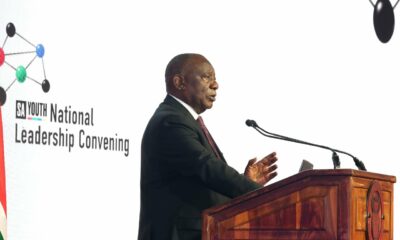
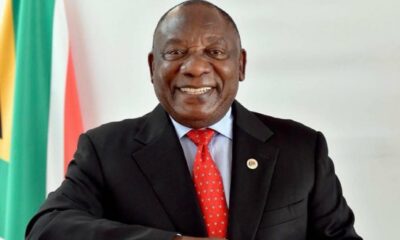
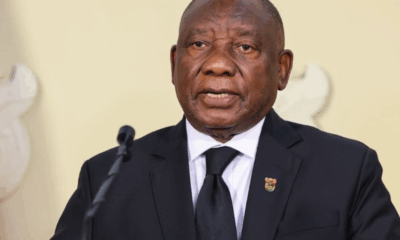
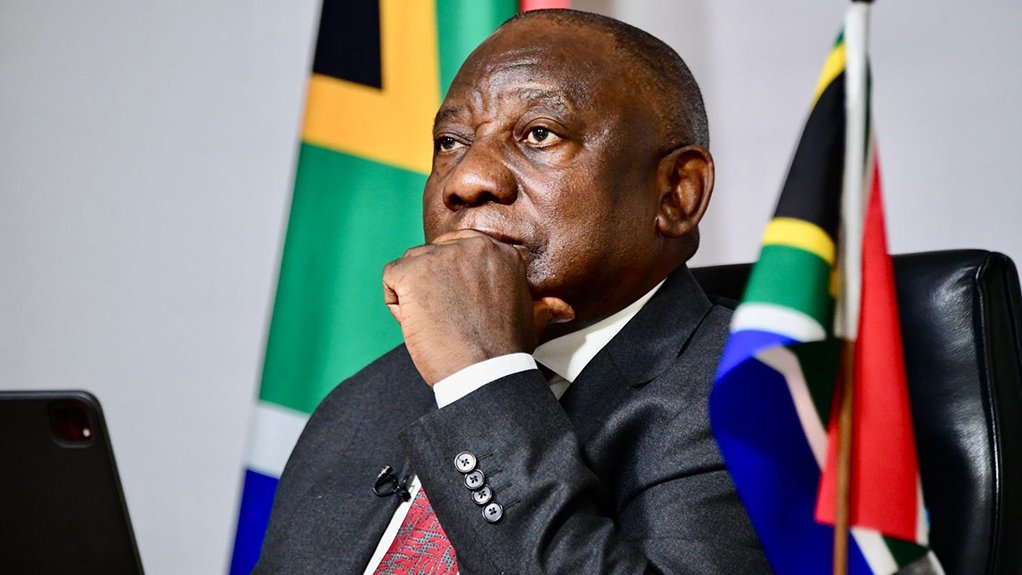
In the middle of this geopolitical tension stands President Cyril Ramaphosa, who has kept his message steady. He emphasised that South Africa will not try to rally other nations to boycott the summit and that the country has not yet received any formal written communication from the United States.
Germany calls the exclusion a concern
Speaking to Newzroom Afrika, Peschke did not hide Germany’s discomfort about the situation. He framed South Africa as an essential voice in the G20 and highlighted that the country represents more than its own interests. It carries the weight of the African continent in a forum that shapes global policy for more than a billion and a half people.
Peschke stressed that Germany believes Africa deserves meaningful representation at major global tables and argued that removing South Africa from the upcoming meetings would be a step backwards. His comments appear to reflect a broader position within the German government, including Chancellor Friedrich Merz, who has already expressed support for South Africa’s continued participation.
The message is clear. For Germany, this is not only about Pretoria. It is about the principle of fair and equitable representation in a world still grappling with shifting balances of power.
A pushback on misinformation about South Africa
While addressing the G20 issue, Peschke also confronted a separate wave of claims circulating in the United States political arena. Some American commentators, including US President Donald Trump, have accused South Africa of human rights abuses and alleged that white South Africans are being persecuted or killed in what they described as a form of genocide.
These statements have caused international uproar, especially as they resurfaced shortly after Trump announced that the United States would not send officials to the Johannesburg G20 summit earlier this year.
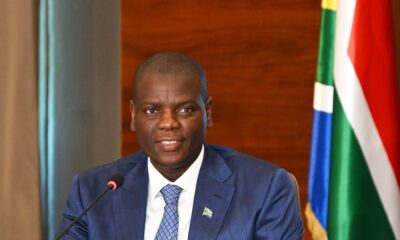
South Africa’s Department of International Relations and Cooperation, DIRCO, has repeatedly rejected these allegations. The department maintains that there is no credible evidence supporting claims of targeted racial persecution and that South Africa continues to operate as a constitutional democracy where the rights of all citizens are protected. Minister Ronald Lamola’s spokesperson, Chrispin Phiri, reiterated that crime affects all South Africans and that the narrative of white genocide is not grounded in fact.
A moment of simple proof in Pretoria
Peschke provided a grounded counterpoint to the sensational claims. He recalled attending a German Oktoberfest celebration in Pretoria where fifteen thousand people, both German and South African, gathered over two days for food, drinks, and shared enjoyment. It was an ordinary moment that highlighted a simple truth. People were celebrating without fear or repression, which sharply contrasted with the alarming narratives circulating abroad.
He acknowledged that South Africa faces significant challenges, including crime and unemployment, but urged that public discourse should focus on real issues rather than ones he described as nonexistent.
South African reaction at home
Locally, the conversation has been charged. Many South Africans reacted with frustration at the thought of being sidelined from a major global summit, especially after hosting one successfully. Others expressed exhaustion at the repeated resurfacing of unfounded claims from abroad. On social media, the tone has ranged from humour to indignation, with users joking about conspiracies one moment and demanding serious diplomatic pushback the next.
The broader mood reflects a country used to global scrutiny but still sensitive to narratives that paint it unfairly.
What happens next
For now, South Africa waits for official notice from the United States. Germany continues to advocate on Pretoria’s behalf, signalling that South Africa still has influential allies in the G20.
The coming months will test political relationships across continents. They will also determine whether global forums like the G20 remain inclusive spaces or become arenas shaped by individual national agendas.
South Africa may not have been invited yet, but the world is paying full attention.
Follow Joburg ETC on Facebook, Twitter, TikT
For more News in Johannesburg, visit joburgetc.com
Source: IOL
Featured Image: Polity.org.za