News
US Seizes Venezuelan Oil Tanker as Pressure on Maduro Sharpens
A new flashpoint in a long-running conflict
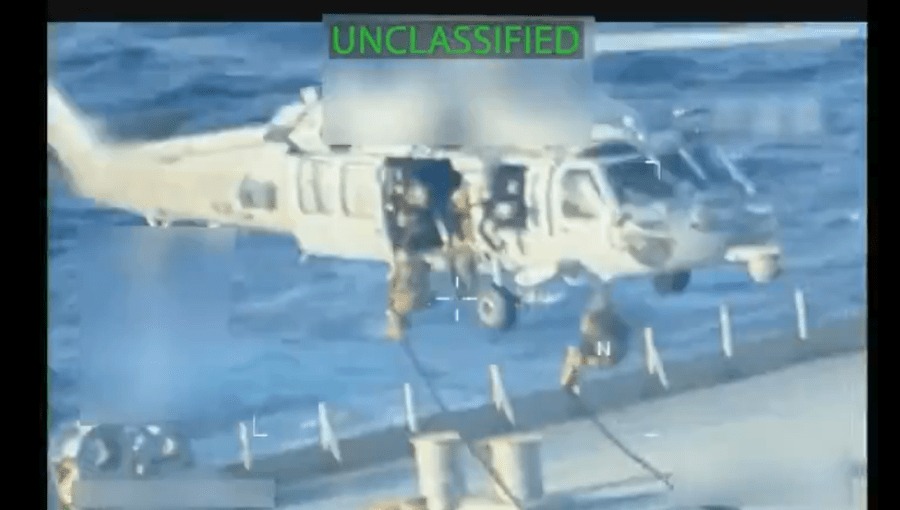
A single oil tanker in the Caribbean has become the latest symbol of a much bigger geopolitical fight. The United States has seized a vessel carrying Venezuelan crude and signalled that more interceptions could follow, a move that sharply raises the stakes in Washington’s campaign to choke off oil revenue to President Nicolás Maduro.
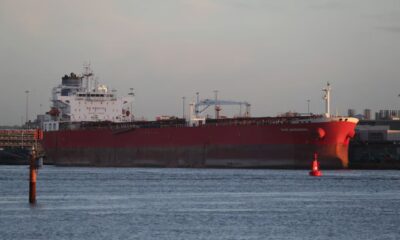
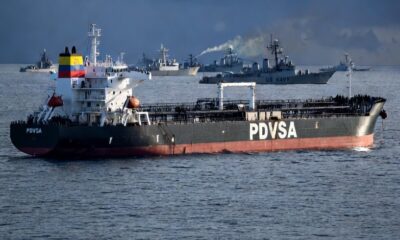
The ship, identified by the White House as the Skipper, is being redirected to an American port after US authorities accused it of taking part in illicit oil shipping. Venezuelan officials have responded angrily, branding the action an act of international piracy and warning that it sets a dangerous precedent for global trade.
Why this moment matters
This is the first time the US has physically intercepted an oil shipment originating from Venezuela since sweeping sanctions were imposed in 2019. Until now, enforcement has largely relied on financial pressure, legal threats, and penalties aimed at buyers and intermediaries.
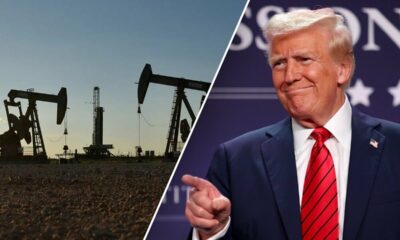
The timing is not accidental. The seizure comes alongside a visible US military buildup in the southern Caribbean and renewed rhetoric from President Donald Trump, who has made removing Maduro from power a central foreign policy goal of his current term.
For Washington, oil is the pressure point. For Caracas, it is a lifeline.
Oil is still Venezuela’s economic backbone
Despite years of decline, oil remains the engine of Venezuela’s economy. Roughly 88 percent of the country’s exports, valued at about $24 billion, come from crude and related products. That revenue supports everything from basic imports to state salaries in a nation already battered by hyperinflation and shortages.
Decades of mismanagement and corruption hollowed out the sector long before sanctions arrived. US restrictions then accelerated the collapse, slashing production and pushing Venezuela into a deeper economic crisis. Against that backdrop, any threat to tankers leaving its ports strikes at the heart of state survival.
Regional unease and global reaction
The language used by Venezuelan officials has struck a chord beyond their borders. On social media, commentators across Latin America have raised concerns about freedom of navigation and the precedent set by a powerful country intercepting civilian oil shipments. Others argue the move reflects growing frustration in Washington after years of sanctions failed to dislodge Maduro.
Energy analysts are also watching closely. Venezuela holds some of the world’s largest proven oil reserves, yet struggles to bring that oil to market. Intercepting shipments adds another layer of uncertainty to already fragile global supply chains, even if the immediate volumes involved are relatively small.
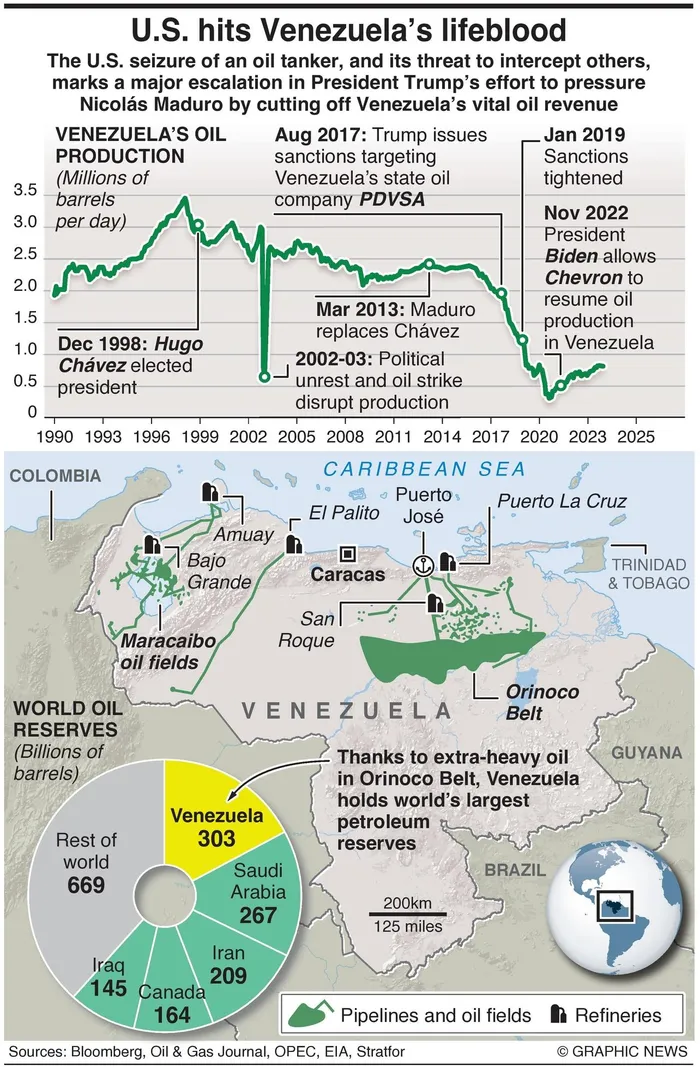
Image 1: IOL
A calculated gamble by Washington
From the US perspective, the seizure sends a clear message to ship owners, insurers, and buyers that dealing in Venezuelan oil carries rising risks. According to the White House, the goal is to cut off funds that keep the Maduro government afloat.
Critics argue the tactic could harden positions rather than force change, while ordinary Venezuelans bear the economic cost. Supporters counter that without stronger measures, sanctions become little more than background noise.
What happens next
Whether this action remains a one-off or marks the start of routine interceptions will shape the next phase of US-Venezuela relations. More seizures would almost certainly provoke legal battles, diplomatic fallout, and heightened tension in Caribbean waters.
For now, the Skipper stands as a warning shot. In a country where oil is both a blessing and a curse, the struggle over who controls its flow has entered a far more confrontational chapter.
Follow Joburg ETC on Facebook, Twitter, TikT
For more News in Johannesburg, visit joburgetc.com
Source: IOL
Featured Image: MSN