News
KZN Legislature Descends Into Chaos Over No-Confidence Vote Against Premier
The KwaZulu-Natal Legislature was meant to be debating a motion of no confidence. Instead, it became a noisy, tense standoff that spilled from procedure into open defiance, with songs echoing across the chamber and police called in to restore order.
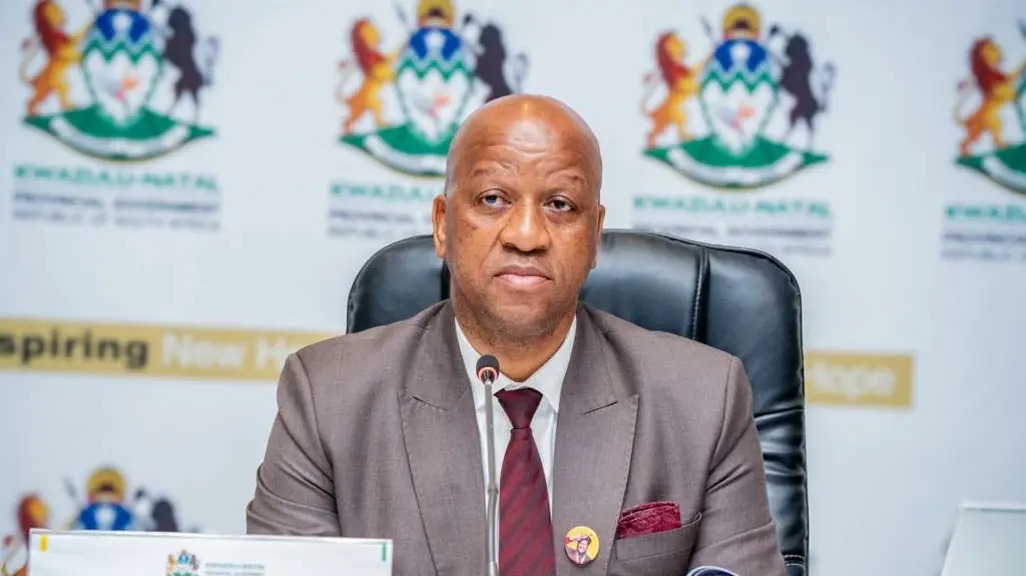
At the centre of the storm was Premier Thami Ntuli, whose leadership was being challenged in a vote that quickly exposed how fragile political consensus in the province has become.
Why a secret ballot set everything off
The trouble began when the Speaker, Nontembeko Boyce, ruled against holding the vote by secret ballot. Members of the uMkhonto weSizwe Party and the Economic Freedom Fighters immediately pushed back.
Their argument was simple and explosive. They claimed some members had received threats and could not vote freely in an open process. Without secrecy, they said, democracy itself was being compromised.
Boyce stood firm. The ruling stayed. That was the moment the chamber tipped from heated debate into outright disruption.
Songs on the floor and police at the doors
MK Party and EFF members rose from their seats, singing struggle songs and refusing to sit down. One refrain cut through the noise. “Asina uvalo ngalento asiyenzayo,” declaring they had no fear of what they were doing.
The Speaker’s warnings grew sharper. When order did not return, she called in police to escort disruptive members out. Some MK Party MPs resisted, reminding officers that firearms were not permitted inside the legislature.
With tempers flaring and proceedings at a standstill, the sitting was temporarily suspended.
The political lines harden
Before chaos took over, the debate itself had already revealed deep fault lines. Thulasizwe Buthelezi, the IFP MEC for Cooperative Governance and Traditional Affairs, launched a blistering attack on the MK Party, branding it a scam and accusing its leadership of trying to destabilise KwaZulu-Natal.
Speaking for the Inkatha Freedom Party, he framed the motion as a defining choice for the province. Stability versus disorder. Law versus what he called political anarchy. He also defended Ntuli’s roughly 18 months in office, saying the Government of Provincial Unity had helped restore order and stimulate economic growth.
His remarks drew gasps and murmurs across the house, especially when he warned against placing the province in the hands of figures like Duduzile Zuma and her allies.
A province compared to a burning house
MK Party member Sizwe Mbatha responded with imagery that resonated far beyond the chamber. He accused Ntuli of being overwhelmed by KwaZulu-Natal’s crises.
He likened the province to a house on fire, with the premier holding only a teaspoon of water. In his view, Ntuli was not truly governing but acting as an administrator within a fearful coalition while the province edged towards collapse.
Where the numbers are likely to land
As the dust settled, the African National Congress in KwaZulu-Natal confirmed it would vote against the motion. That declaration alone suggests the attempt to remove Ntuli faces steep odds.
Still, the scenes in the legislature tell a bigger story than the outcome of a single vote. They reflect a province wrestling with coalition politics, deep mistrust, and a political culture that increasingly spills from debate into confrontation.
For many South Africans watching online, the images and clips circulating on social media captured something unsettling. Not just noise and song, but a reminder of how volatile provincial politics can become when procedure, power, and fear collide.
Follow Joburg ETC on Facebook, Twitter, TikT
For more News in Johannesburg, visit joburgetc.com
Source: IOL
Featured Image: EWN