News
Why Shamila Batohi Walked Out of the Nkabinde Inquiry Mid-Testimony
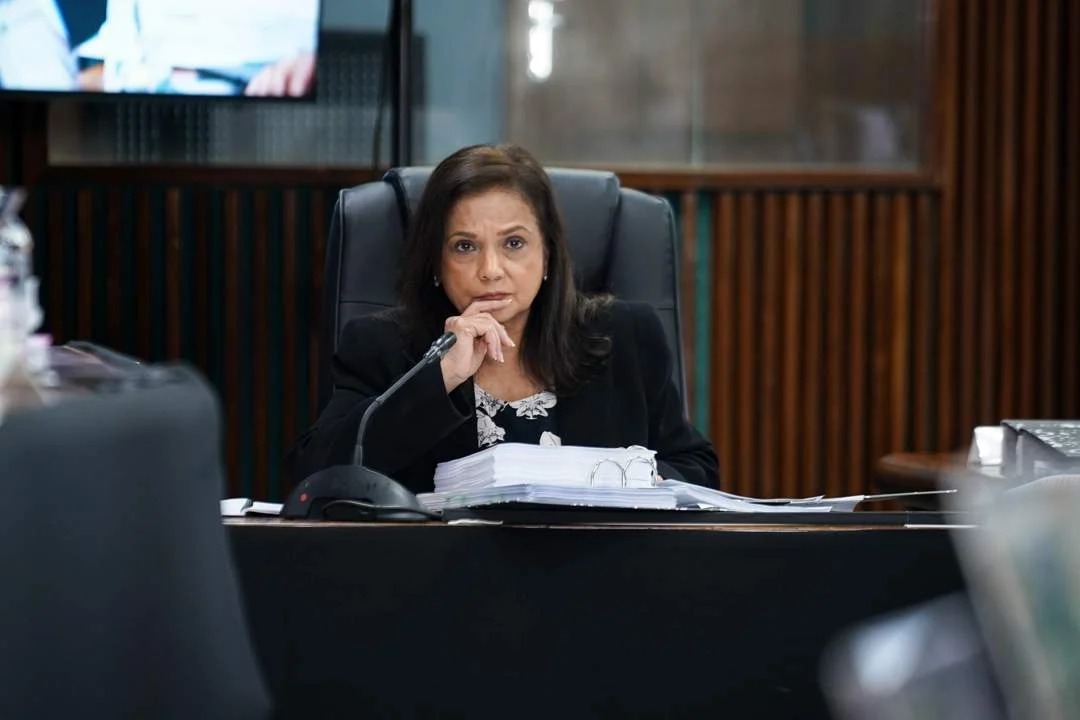
What was meant to be another procedural day at the Nkabinde Inquiry turned tense and deeply uncomfortable when National Director of Public Prosecutions Shamila Batohi did not return to the hearing after lunch.
Instead of resuming her testimony, Batohi made it clear that she was stepping back until she could obtain legal advice. The decision, taken without asking the panel to be excused beforehand, sparked immediate concern inside the hearing room and set off broader public debate outside it.
A lunch break that changed the tone
When proceedings reconvened, Batohi’s absence was quickly noticed. Advocate Tembeka Ngcukaitobi, who was cross-examining her, openly questioned where the witness had gone. The evidence-leading team confirmed that the National Prosecuting Authority had informed them that Batohi wanted to consult legal counsel before continuing.
When Batohi was eventually called back into the chamber, she did not soften her position. She told the panel that she had independently decided not to return, framing the move as a matter of personal integrity rather than defiance.
Her words were firm. She was not withdrawing from the inquiry, she said, but she was also not prepared to continue without proper legal advice.
Why the panel pushed back
The inquiry, chaired by Justice Bess Nkabinde, reminded Batohi that this was not an informal engagement she could step away from at will.
The panel stressed that the inquiry exists because Batohi herself had written to the President, triggering the process that led to this hearing. Her testimony, they said, formed part of a formal accountability mechanism linked to Parliament and grounded in legislation.
Justice Nkabinde went further, warning that simply leaving mid-testimony could be seen as disrespectful to the inquiry and, by extension, to the Parliament of South Africa.
Batohi responded with an apology, insisting that disrespect had never been her intention.
No postponement, no timeline
What unsettled the panel most was the uncertainty. Batohi confirmed that she had not asked to be excused before lunch and had initially indicated that she would return. She also rejected the idea of formally applying for a postponement.
Instead, she described her decision as a pause. Her testimony was, in her words, stopping for now, pending legal advice. When asked when she would return, her answer was vague. Once she had legal guidance, she said, she would know what to do.
For an inquiry already navigating sensitive institutional tensions involving the National Prosecuting Authority, the lack of clarity raised serious procedural questions.
Why this moment matters
In South Africa’s political culture, public accountability processes carry symbolic weight. Inquiries are not just about legal outcomes; they are about trust. Batohi’s decision to halt her testimony mid-stream has therefore landed far beyond the hearing room.
On social media, reactions were split. Some defended her right to legal counsel, arguing that any witness should protect themselves in a high-stakes process. Others questioned whether the country’s top prosecutor should have handled the moment with greater procedural caution, especially given the expectations placed on her office.
The deeper issue is precedent. When senior officials pause testimony without a formal application or timeline, it tests the authority of inquiries and raises questions about how power and accountability intersect in practice.
For now, the Nkabinde Inquiry is left in limbo, waiting to see when or if Batohi will return to the witness chair. Until then, the unanswered questions may prove just as significant as the testimony itself.
Also read: KZN Legislature Descends Into Chaos Over No-Confidence Vote Against Premier
Follow Joburg ETC on Facebook, Twitter, TikT
For more News in Johannesburg, visit joburgetc.com
Source: IOL
Featured Image: News24