News
“You Can’t Heal a Wound That’s Still Open”: MK Party Rejects Reconciliation Day
“You Can’t Heal a Wound That’s Still Open”: MK Party Rejects Reconciliation Day
As South Africans gathered across the country on Tuesday, 16 December 2025, to mark Reconciliation Day, one political voice stood firmly apart from the commemorations.
The MK Party said the day has lost its meaning for millions of Black South Africans who, three decades into democracy, still live with the economic scars of apartheid.
While government leaders spoke of unity, healing and progress, the MK Party argued that reconciliation without justice is little more than symbolism.
“Freedom Is Still Deferred”
MK Party national spokesperson Nhlamulo Ndhela did not mince his words, describing Reconciliation Day as a concept that ignores lived reality.
According to Ndhela, it is impossible to celebrate unity in a country where land ownership remains deeply unequal, unemployment continues to crush Black households, and hunger and poverty remain widespread.
He said true liberation cannot exist while economic power remains concentrated and inequality is passed down from one generation to the next.
“Freedom remains unattained as long as the Black majority is economically shackled,” Ndhela said, adding that dignity and opportunity should not be a privilege but a birthright.
A Long-Running Debate in South Africa
This criticism taps into a longstanding national tension: whether South Africa prioritised political reconciliation in 1994 at the cost of economic justice.
For many, Reconciliation Day represents hope and hard-won peace. For others, particularly younger South Africans facing record unemployment, it feels disconnected from daily struggles.
On social media, the MK Party’s comments sparked heated debate. Some users agreed, saying reconciliation feels “unfinished” without land reform and economic transformation. Others warned that rejecting the day risks deepening divisions rather than healing them.
Ramaphosa’s Call for Unity
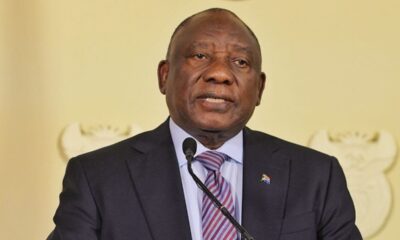
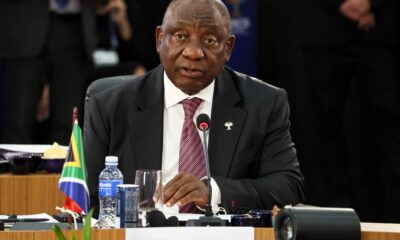
At the official national commemoration held at the Ncome Museum in Nquthu, KwaZulu-Natal, President Cyril Ramaphosa struck a very different tone.
He urged South Africans to resist what he described as false narratives about the country, particularly those suggesting that democracy has failed or that race relations have worsened beyond repair.
Ramaphosa pointed to surveys showing that many South Africans remain hopeful about democracy and believe race relations have improved since 1994. He highlighted everyday scenes of children from different backgrounds learning and playing together as evidence of progress.
Two Visions, One Unsettled Country
The contrast between the MK Party’s rejection and the president’s appeal reflects a deeper truth: South Africa is still negotiating what reconciliation really means.
Is it about peaceful coexistence, or about material redress? Can unity survive without economic justice? And how long can symbolic healing last without structural change?
As the country reflects on its past and future, Reconciliation Day once again revealed not just shared history but unresolved questions that continue to shape South Africa’s political and social landscape.
{Source: The Citizen}
Follow Joburg ETC on Facebook, Twitter , TikTok and Instagram
For more News in Johannesburg, visit joburgetc.com