News
“We are more than the lies told about us”: Ramaphosa pushes back against fear-driven narratives
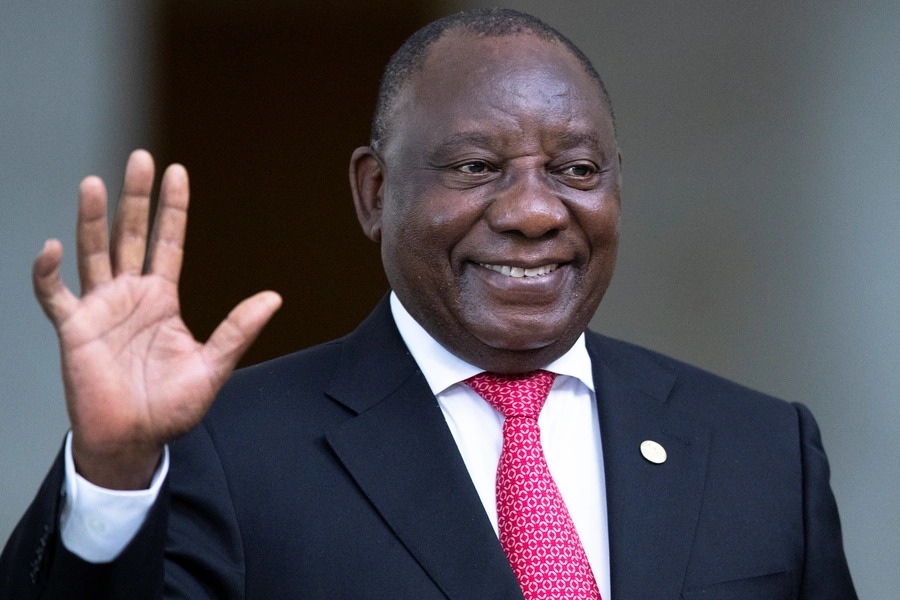
“We Are More Than the Lies Told About Us”: Ramaphosa Pushes Back Against Fear-Driven Narratives
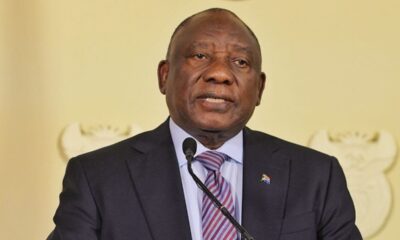
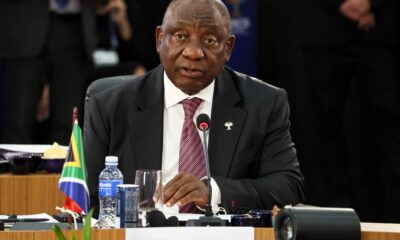
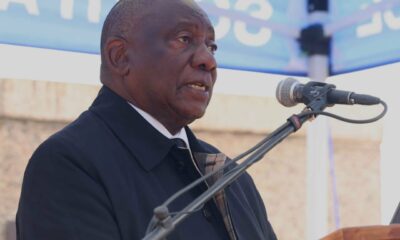
Standing on historic ground in Nquthu, KwaZulu-Natal, President Cyril Ramaphosa used this year’s Reconciliation Day not just to commemorate the past, but to confront what he described as a growing wave of misinformation about South Africa, narratives he warned are designed to divide, frighten and dehumanise.
Speaking at the Ncome Museum, Ramaphosa urged South Africans to resist fear and focus instead on the daily work of building a shared future.
“This country is not the caricature some want to paint,” he said in a speech that struck both a defensive and reflective tone.
A Direct Response to Global Claims
Ramaphosa’s address came amid renewed international attention on South Africa, following false claims of genocide and persecution of Afrikaners amplified by US President Donald Trump and Elon Musk.
Those claims have gone beyond rhetoric. The Trump administration has announced a programme aimed at facilitating the immigration and resettlement of Afrikaners to the United States as refugees a move that has sparked outrage, disbelief and heated debate at home.
Without naming individuals directly, Ramaphosa made it clear that South Africa rejects these portrayals.
“There are those, inside and outside our country, who are trying their utmost to paint a false picture of us as the South African people,” he said.
What the World Isn’t Being Shown
In one of the most human moments of his speech, Ramaphosa contrasted the grim narratives circulating online with the everyday reality many South Africans recognise.
He pointed to:
-
Surveys showing hope in democracy
-
Improved race relations since 1994
-
Children of all backgrounds learning, playing and growing together
“They don’t show African, white, Indian and coloured children studying together,” he said.
“They don’t show white teenagers speaking fluent isiZulu, or young Afrikaners dancing to amapiano.”
These details small, ordinary, deeply South African struck a chord on social media, where users shared clips and anecdotes echoing the president’s message, saying it reflected the country they actually live in, not the version debated overseas.
Reconciliation Still Incomplete
While defending the country’s unity, Ramaphosa did not shy away from its unresolved pain.
He acknowledged that true reconciliation remains impossible while millions of black South Africans still live in poverty, face unemployment, or experience inequality rooted in apartheid’s legacy.
“For as long as inequality persists, our country will not find true reconciliation,” he said.
He linked reconciliation directly to:
-
Inclusive economic growth
-
Job creation
-
Lowering the cost of living
Without these, unity risks becoming symbolic rather than lived.
Crime, Corruption and Violence Against Women
The president was equally blunt about the moral crises facing the country.
He warned that reconciliation cannot exist while communities are terrorised by criminals or robbed by corrupt officials. Most powerfully, he addressed gender-based violence, calling it a betrayal of both cultural values and humanity itself.
“What are we going to tell our forefathers about the blood of women we shed daily?” he asked.
Calling on men to lead the change, Ramaphosa reminded South Africans that, in many traditions, harming a woman was considered an offence against the entire family.
“Real men do not abuse women and children,” he said.
“Real men protect women and children.”
A Call Beyond Politics
Reconciliation Day has always carried layered meanings celebration for some, frustration for others. Ramaphosa’s speech reflected that tension, balancing optimism with realism.
His closing message was less about politics and more about collective responsibility.
“Let us work together for a better South Africa,” he said, “which belongs to all who live in it.”
In a time of global scrutiny and internal strain, the president’s appeal was simple but deliberate: don’t let outsiders define who we are and don’t let our failures erase our progress.
For many listening at Ncome, and thousands more debating online, the speech served as a reminder that South Africa’s story is complicated, but still very much its own.
{Source: The Citizen}
Follow Joburg ETC on Facebook, Twitter , TikTok and Instagram
For more News in Johannesburg, visit joburgetc.com