MK Party’s Legislature Drama Sparks Concern Ahead of Elections
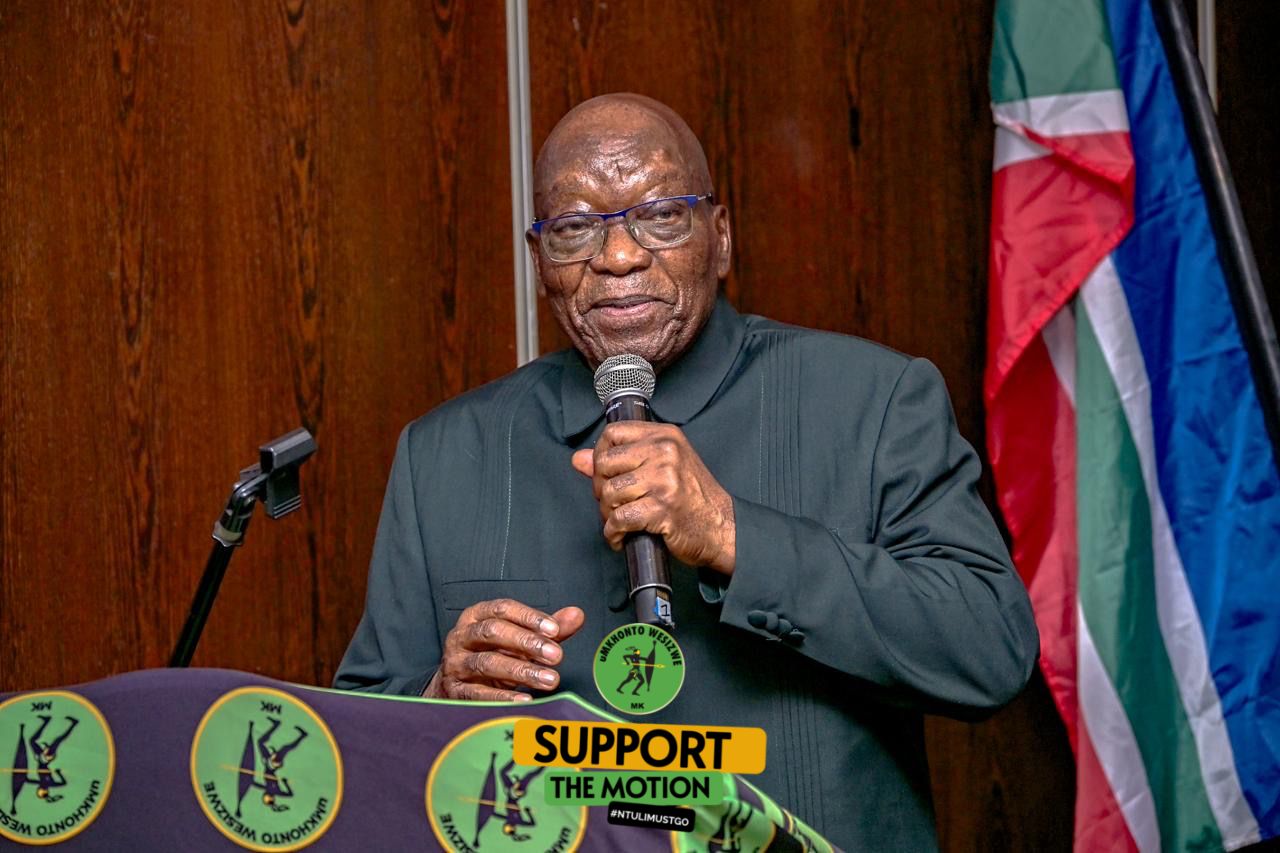
KwaZulu-Natal’s provincial legislature witnessed chaos on Monday when uMkhonto weSizwe (MK) party members disrupted proceedings in a bid to oust Premier Thami Ntuli through a motion of no confidence. The spectacle, which included table-banging, shouting, and confrontations with police, has political analysts warning that such tactics could backfire as the party seeks voter support ahead of the 2026 local government elections.
Violence May Undermine MK’s Credibility
Political economy analyst Daniel Silke told local media that voters are generally wary of parties that resort to violence, citing the EFF’s decline after years of disruptive parliamentary behaviour.
“MK’s actions will have set them back in terms of being seen as a credible alternative in KZN,” Silke said.
He added that while the ANC continues to lose support, the province risks political fragmentation if small parties gain influence in an increasingly divided electorate.
Failed Motion of No Confidence
MK’s attempt to remove Premier Ntuli fell flat. The motion garnered support only from the EFF, while the ANC, DA, IFP, and NFP voted to keep Ntuli in office.
MK leaders had hoped for backing from unnamed IFP and NFP parliamentarians under the promise of a secret ballot, but this support never materialised, with party loyalty and fear of political repercussions playing a role.
Had the motion succeeded, it could have collapsed the governing provincial unity coalition (GPU), composed of the IFP, ANC, DA, and NFP. This coalition currently dominates the 80-member legislature.
MK’s Grievances and the Electoral Context
MK, celebrating its second anniversary, claims it deserved a larger role in KZN governance after securing 45% of the vote in the province during the last election. Analysts note that while frustration is understandable, democracy requires accepting wins and losses.
Prof Ntsikelelo Breakfast, director of the Centre for Peace, Security and Conflict Resolution at Nelson Mandela University, described the motion as “a project gone wrong” and condemned the violent scenes, though he downplayed any risk of escalation.
“I think the dust is going to settle and it’s going to be business as usual,” Breakfast said.
Implications for 2026 Local Elections
Political experts suggest MK’s display could alienate potential voters, particularly those who disapprove of legislative violence. Silke predicts the upcoming local elections will reveal divisions among the electorate, giving smaller parties the chance to act as kingmakers in councils.
“Along with MK and ANC losing votes in future polls, we could see political instability in the province and municipalities after the 2026 elections,” Silke said.
Public Reaction
Social media reactions to the KZN legislature drama have been mixed, with some praising MK for standing up against the coalition, while many criticized the chaotic, EFF-style tactics. Analysts warn that public perception will be critical in determining MK’s electoral fortunes, especially as voters increasingly prioritize stability over theatrics.
MK party’s KZN legislature antics may have backfired, with violence overshadowing their political message. As South Africa approaches the 2026 local elections, credibility, not chaos, could prove decisive at the ballot box.
{Source: The Citizen}
Follow Joburg ETC on Facebook, Twitter , TikTok and Instagram
For more News in Johannesburg, visit joburgetc.com