News
Why South African Homes Are More Vulnerable to Crime During the Holiday Season
As December approaches, South Africans start packing cars, locking gates, and counting down to coastal getaways or family visits. But while households switch into holiday mode, criminals do the opposite. According to warnings shared with MyBroadband, the festive season remains one of the busiest periods for organised and opportunistic crime across the country.
Security companies say the pattern is familiar, but the methods keep evolving. Homes and businesses left unattended become soft targets, and increasingly, criminals are after more than just laptops and TVs.
The festive season crime spike is no coincidence
Security specialists from Brinant Group explain that residential burglaries typically rise from October through December. The crimes are not confined to one suburb or city. Instead, activity shifts constantly to avoid detection and overwhelm security responses.
What is more worrying is the timing. Incidents leading up to mid-December are often more planned and more aggressive before shifting to quicker, opportunistic break-ins later in the holiday period. Car break-ins also spike during this time, largely driven by lapses in vigilance at shopping centres, fuel stops, and quiet residential streets.
Solar, batteries, and gate motors are the new gold
One of the clearest trends this year is the surge in theft linked to alternative power. According to Bulls Security, criminals are actively targeting solar panels, inverters, and backup batteries. Units mounted on carports or installed at ground level are especially vulnerable, as they can be removed quickly and resold with ease.
Gate motors have also become a prime target, particularly in areas where motors are close to the street. Thieves can remove them in minutes using basic tools, leaving households unable to secure their properties and exposed to further break-ins.
Gas bottles and outdoor lighting have joined the list, too. Floodlights, solar garden lights, and gas cylinders are easy to detach and carry away. Restaurants, small businesses, and homes with outdoor cooking areas are being hit hardest.
When security systems become the target
In a troubling twist, even security equipment is being stolen. Motion sensor floodlights and perimeter beams mounted on walls are now considered soft targets. Criminals jump walls, rip the units off, and disappear before alarms can fully escalate.
This does more than cause damage. Removing early warning systems leaves properties exposed for future attacks, sometimes days or weeks later, when homeowners are still away.
A new tactic creeping under the radar
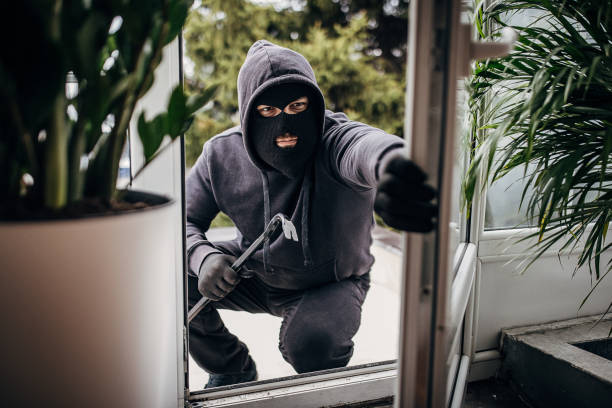
Security teams have also noticed a rise in so-called crawling intrusions. In these cases, criminals move low and slowly across properties, testing detection points and avoiding perimeter sensors. Some even tamper with electricity meters or power connections to disable alarms that lack proper battery backup.
It is a reminder that holiday crime is no longer random. It is often rehearsed, deliberate, and designed to exploit small gaps in home security.
Practical steps before you lock up and leave
Before heading off on holiday, security experts recommend a thorough check rather than a quick lock-up.
Test alarms, cameras, beams, and electric fencing with your security provider. Clear overgrown vegetation that could block sensors or provide hiding spots. Simulate a power outage to make sure battery backups actually work.
Make sure a trusted neighbour or house sitter can access your property if something goes wrong, whether it is a burst geyser or damage after an attempted break-in. Ask them to clear mail regularly, as overflowing postboxes remain a classic sign that no one is home.
Indoor ceiling sensors can help prevent roof entry, which is becoming increasingly common. Adequate outdoor lighting also remains one of the simplest deterrents.
Think twice before posting that beach photo
Social media has become an unexpected tool for criminals. Posting real-time updates about departures and return dates can unintentionally advertise an empty home. Security experts advise keeping holiday posts vague or delayed.
At the same time, community groups can be powerful. Local WhatsApp or Telegram street groups often share real-time alerts about suspicious activity, giving residents and security companies a crucial early warning.
A holiday mindset shift
The biggest takeaway from this year’s warnings is that festive crime is not just about locking doors. It is about understanding how criminal behaviour shifts when routines disappear.
A few extra checks, quieter social media habits, and better coordination with neighbours can make the difference between a relaxed return home and a costly disaster.
Follow Joburg ETC on Facebook, Twitter, TikT
For more News in Johannesburg, visit joburgetc.com
Source: MyBroadband
Featured Image: iStock