Business
Electricity Bills Are Breaking South Africans and Government Finally Admits It

For millions of South Africans, opening an electricity bill has become a monthly shock. What used to be a manageable household expense now rivals groceries and fuel, squeezing families and businesses already stretched by the rising cost of living.
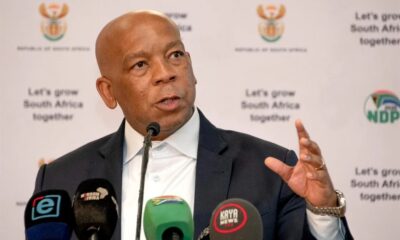
This week, that reality was acknowledged in Parliament. Electricity and Energy Minister Kgosientsho Ramokgopa conceded that escalating electricity tariffs are placing severe pressure on households and the wider economy. It was a rare moment of blunt honesty from the government, and one that immediately struck a nerve across the country.
A parliamentary question that hit home
The admission came in response to a question from African National Congress MP Fasiha Hassan, who asked what the government was doing to soften the blow of recent tariff hikes and protect vulnerable households from deepening energy poverty.
In his written reply, Ramokgopa acknowledged what many South Africans have been saying for years. Electricity prices are no longer just an inconvenience. They are actively undermining household stability, business sustainability, and broader economic growth.
Why electricity bills keep climbing
At the heart of the issue is the cost of supplying power in a system under strain. The Department of Electricity and Energy says it is trying to balance affordability with the real cost of keeping the lights on while ensuring long-term energy security.
According to the minister, the government is rolling out a mix of policy and structural interventions aimed at slowing and eventually reversing the upward cost trajectory. These include improving operational efficiency at Eskom, increasing electricity procurement from independent power producers, and introducing more competition into the electricity market.
There is also a push to address inefficiencies at the municipal level, particularly non-payment and poor revenue collection, through Distribution Agency Agreements.
Relief for households, at least on paper
For low-income households, Ramokgopa pointed to expanded support through Free Basic Electricity and the Universal Access Programme. These initiatives are designed to ensure that basic energy needs are met, even as tariffs continue to rise.
The department is also set to review the National Energy Efficiency Programme. This includes promoting energy-efficient appliances, reducing demand across households and public buildings, and encouraging more responsible energy use. The goal is simple. Use less electricity, pay less for it, and ease pressure on the grid.
Public reaction tells a deeper story
Online reaction to the minister’s comments has been swift and sceptical. On social media, many South Africans welcomed the acknowledgement but questioned how long relief would take to reach ordinary consumers.
Small business owners in Johannesburg and beyond have been particularly vocal. For cafés, salons, and workshops, electricity costs now sit alongside rent as one of the biggest monthly expenses. Some say efficiency programmes are helpful but feel like a band-aid when tariffs keep rising faster than incomes.
What this moment really means
The significance of Ramokgopa’s admission lies less in the policies listed and more in the shift in tone. For the first time in a while, government language aligns closely with lived reality. Electricity prices are not just an Eskom problem or a technical issue. They are a social and economic crisis.
Whether these measures translate into lower bills remains to be seen. For now, South Africans continue to juggle appliances, delay purchases, and rethink business hours just to keep the lights on.
But the conversation has changed. And for households drowning in electricity costs, that acknowledgement is a small but important first step.
Follow Joburg ETC on Facebook, Twitter, TikT
For more News in Johannesburg, visit joburgetc.com
Source: IOL
Featured Image: EWN