News
Diplomatic Tensions Rise as US Accuses South Africa of Interfering in Afrikaner Resettlement Plan
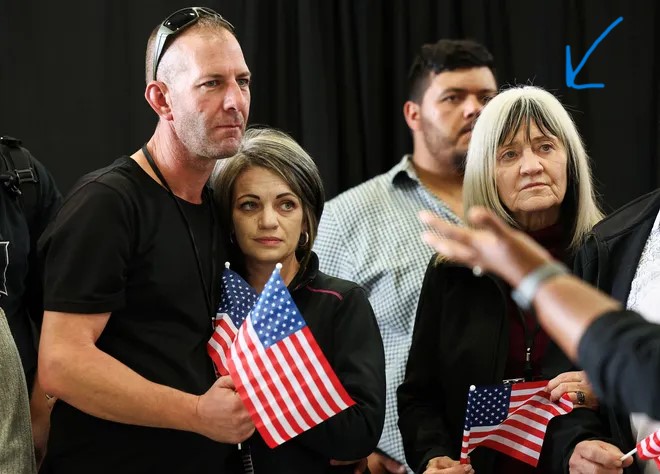
A familiar debate resurfaces on the global stage
A long-simmering and deeply emotional debate around race, migration and politics has once again spilled into international diplomacy, with Washington accusing South Africa of interfering in a controversial US programme aimed at admitting white Afrikaners as refugees.
The accusation, made by an official in former US president Donald Trump’s administration, follows the arrest of seven Kenyan nationals working at an application centre linked to the resettlement initiative. South African authorities say the individuals were not legally authorised to work in the country, a move that has now triggered sharp criticism from Washington.
What sparked the diplomatic fallout
South African officials recently raided an application centre run by a Christian-based non-governmental organisation. The centre was staffed by Kenyan nationals who, according to local authorities, were working while in the country on tourist visas.
The seven were arrested and expelled, with the South African government insisting the action was part of routine immigration enforcement. But in Washington, the move was seen very differently.
A US official accused South Africa of breaching earlier commitments not to interfere in the refugee programme, saying the arrests amounted to direct disruption of US operations. US State Department lawyers reportedly believe the Kenyans were legally permitted to work under the terms of their visas.
Why Afrikaners are at the centre of the dispute
The issue taps into a politically charged narrative that has followed South Africa since the end of apartheid. Donald Trump has repeatedly claimed that white Afrikaners are being persecuted by the democratic government, an assertion the South African government has consistently and strongly rejected.
Despite global criticism, Trump moved to halt most refugee admissions to the United States, making an exception only for white Afrikaners. The decision drew backlash both internationally and within South Africa, where many view the claims as a distortion of the country’s complex social and economic challenges.
For many South Africans, the idea that Afrikaners, one of the most economically established groups in the country, qualify as refugees remains deeply contentious.
A sensitive issue at home
Locally, the US accusation has reignited debate across social media and talk radio. Some South Africans see the matter as another example of foreign governments misunderstanding local realities, while others argue that immigration laws must apply equally, regardless of politics.
There is also frustration that South Africa’s internal struggles, unemployment, inequality and crime affecting citizens across racial lines are being reduced to a racialised narrative abroad.
A clash of immigration philosophies
The irony has not gone unnoticed. The arrests in South Africa were based on allegations of illegal work the same issue Trump has frequently cited to justify mass deportations in the United States.
Critics argue that Washington’s outrage appears selective, particularly given Trump’s history of hostile rhetoric toward African migrants while openly encouraging white immigration.
What this means going forward
At its core, the dispute highlights a clash between South Africa’s enforcement of its immigration laws and a highly politicised US refugee policy rooted in race and ideology.
While both governments defend their positions, the episode underscores how unresolved historical narratives, especially those tied to apartheid and race, continue to shape how South Africa is perceived and portrayed on the global stage.
Whether this diplomatic spat escalates or fades may depend less on legal arguments and more on how much political mileage Washington continues to draw from a deeply divisive story.
{Source: The South African}
Follow Joburg ETC on Facebook, Twitter , TikTok and Instagram
For more News in Johannesburg, visit joburgetc.com