News
Venezuela Defies Trump’s Oil Blockade Threats, Vows Exports Will Continue
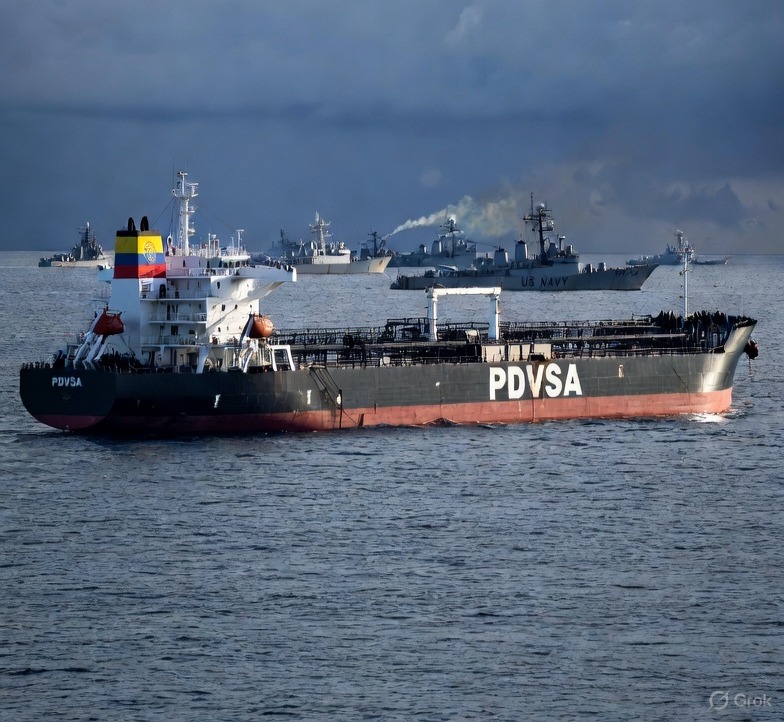
Venezuela is sending a clear message: its oil exports will not be halted, even under the looming shadow of US President Donald Trump’s latest threat of a full blockade.
The announcement on Tuesday marked a sharp escalation in Trump’s ongoing campaign of economic and military pressure against President Nicolas Maduro, whose authoritarian rule has plunged the country into a decade-long economic crisis.
“Business as Usual” Amid Threats
Despite Trump’s declaration of “a TOTAL AND COMPLETE BLOCKADE OF ALL SANCTIONED OIL TANKERS going into, and out of, Venezuela,” state-owned oil giant PDVSA reassured markets and allies that operations were continuing normally.
“Export operations for crude and byproducts continue normally. Oil tankers linked to PDVSA operations continue to sail with full security,” the company said, underlining that Caracas is refusing to be intimidated.
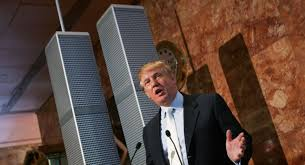
Trump, invoking the US military presence in the Caribbean including the largest aircraft carrier ever deployed in South American waters warned that no oil shipments would be allowed to pass without US approval. He claimed Venezuela had “taken all of our energy rights” and vowed to reclaim what he described as US oil.
International Reactions
Maduro immediately reached out to UN Secretary-General Antonio Guterres to raise concerns over what he termed Washington’s “escalation of threats.” Guterres called for restraint on both sides to avoid destabilising the region.
Support also came from China, Venezuela’s largest oil buyer. Chinese Foreign Minister Wang Yi reassured Caracas in a phone call that Beijing opposed “all unilateral bullying” and backed countries defending their sovereignty.
Meanwhile, Mexican President Claudia Sheinbaum weighed in, urging the UN to step up and prevent any potential bloodshed, warning that the world could not remain silent as tensions rise in the Caribbean.
Military Pressure and Escalating Tensions
The backdrop to the blockade threat has been a marked increase in US military activity. In August, Trump ordered the largest US deployment in the Caribbean since the 1989 Panama invasion, citing drug trafficking concerns. Critics argue the measures disproportionately target Venezuela, a minor player in the global drug trade.
Last week, the seizure of the tanker M/T Skipper in a dramatic helicopter raid highlighted the shift in US strategy. Anti-drug operations in the Caribbean and eastern Pacific have already claimed at least 99 lives, with four more reported this week. Caracas sees these moves as a cover for a potential attempt to overthrow Maduro and seize Venezuelan oil assets.
The Stakes for Venezuela’s Economy
Oil is the lifeblood of Venezuela’s crumbling economy. Once producing over three million barrels per day in the early 2000s, output has now dropped to roughly one million. The US embargo since 2019 forced Caracas to sell oil on secondary markets, often at steep discounts.
Analysts from Capital Economics warn that a total blockade could choke the country’s main economic artery, with immediate effects on government revenue, imports, and the broader economy. The longer-term consequences depend on how tensions evolve and whether the US seeks regime change or containment.
Maduro’s Defiant Stance
For now, Maduro and his allies remain unshaken. The Venezuelan military has declared it is “not intimidated” by Washington’s threats, while PDVSA continues its exports.
In the eyes of Caracas, the blockade is a geopolitical chess move, one they intend to counter with diplomacy, international alliances, and continued resilience in the energy sector.
As the standoff unfolds, the world watches a high-stakes contest over oil, sovereignty, and regional influence, with the future of Venezuela’s economy hanging in the balance.
{Source: IOL}
Follow Joburg ETC on Facebook, Twitter , TikTok and Instagram
For more News in Johannesburg, visit joburgetc.com