News
SANRAL Steps Away From R180m N2 Wall After Deadly Airport Highway Attack
A tragic moment that changed the conversation
Early summer traffic on the N2 is usually a blur of holiday plans and airport runs. That sense of normality was shattered when grandmother Karin van Aardt was fatally stabbed during a smash-and-grab attack near Jakes Gerwel Drive while travelling to visit family. The incident cut deep for Cape Town residents who rely on this route daily, and it quickly sparked calls for stronger security along one of the city’s most important transport corridors.
Within days, attention turned to a proposed R180 million security wall near the airport precinct. The idea was positioned as a visible response to rising fears about safety on the freeway. But this week, the plan hit a significant hurdle.
SANRAL draws a clear line
The South African National Roads Agency Limited, better known as SANRAL, has now formally distanced itself from the proposed wall. According to the agency, it neither controls the section of road in question nor was it consulted about the project.
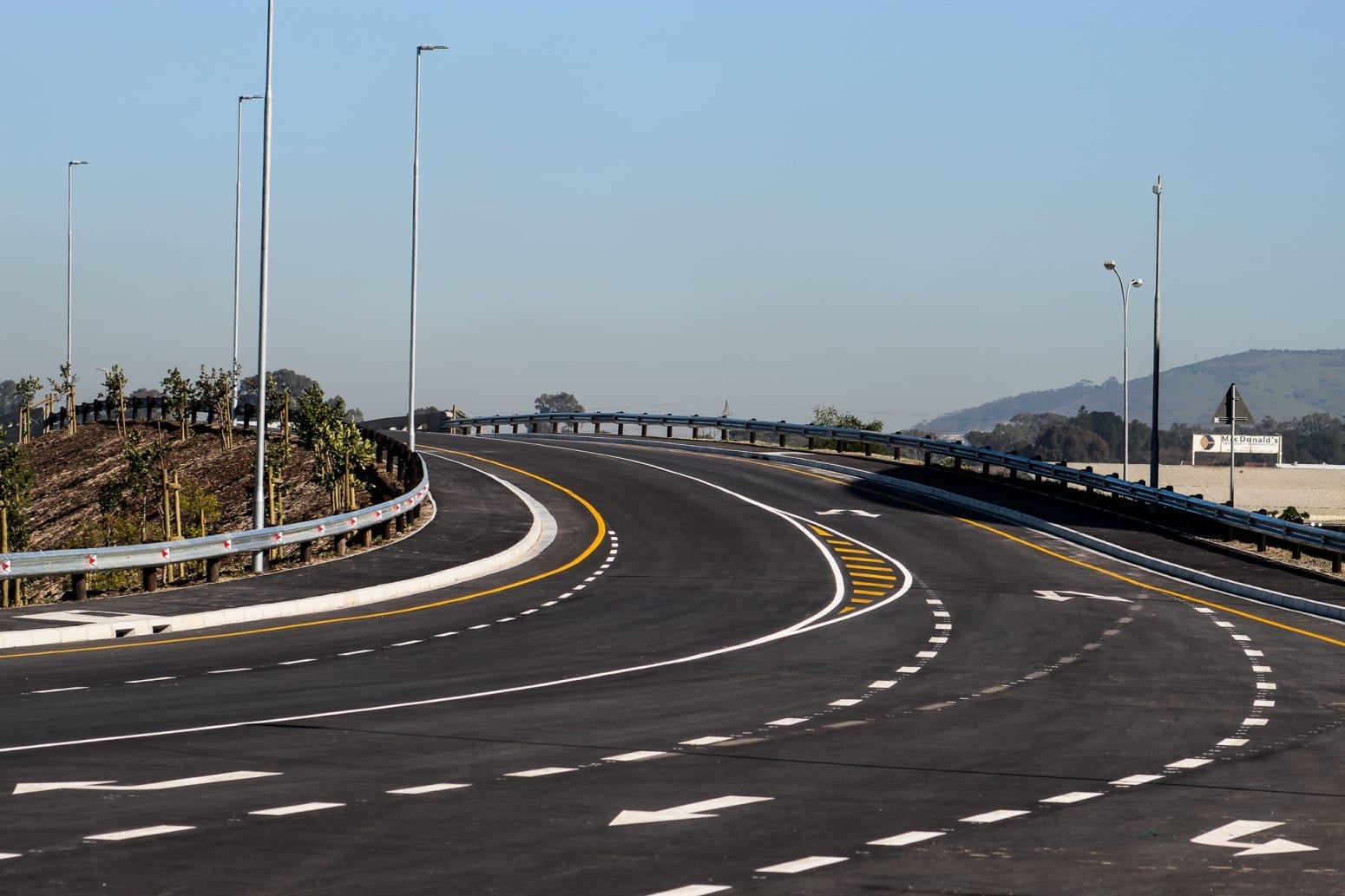
SANRAL confirmed that the stretch of the N2 between Cape Town International Airport and the Raapenberg Interchange falls under the Western Cape Department of Infrastructure. From Raapenberg into the city centre, responsibility lies with the City of Cape Town. SANRAL’s jurisdiction only begins further east, near the Swartklip Interchange.
In short, the agency says it cannot back or manage a project on a road it does not oversee.
Support for barriers, but not this project
While stepping away from the R180 million proposal, SANRAL has not dismissed the value of physical barriers altogether. The agency maintains that walls and fencing can play a role in improving freeway safety by limiting access and guiding pedestrians to safer crossing points. It also confirmed that existing barrier infrastructure on national roads is regularly maintained.
Beyond concrete and steel, SANRAL highlighted its broader safety role through the Western Cape Freeway Management System. This includes more than 280 CCTV cameras monitored around the clock to detect incidents quickly and coordinate responses with law enforcement.
Who is responsible and why it matters
The City of Cape Town has previously said it plans to table detailed proposals for the wall as part of its capital budget process. However, the situation has exposed a familiar frustration for residents. When a major crime happens on a shared piece of infrastructure, it is often unclear which authority is meant to act and how quickly.
That uncertainty has fuelled strong reactions on social media, with many Capetonians questioning how a road that links the airport to the city can fall under multiple jurisdictions. Others have argued that debates over responsibility should never delay practical steps to protect lives.
Justice moves forward as pressure builds
As the policy debate continues, the criminal case is progressing. The National Prosecuting Authority has confirmed that three suspects have appeared in the Bishop Lavis Magistrates’ Court on charges of murder and robbery with aggravating circumstances. According to the State, the attack unfolded while the accused were lying in wait near an intersection, targeting vehicles stopped at traffic lights.
A moment of reckoning for the N2
The proposed wall may be on shaky ground, but the underlying issue is not going away. The N2 is more than a road. It is a gateway to the city and the first impression for many visitors. Van Aardt’s death has forced authorities and residents alike to confront uncomfortable questions about safety, coordination, and accountability.
Whether the answer lies in walls, smarter policing, better lighting, or faster emergency response, one thing is clear. Public patience is thin, and the pressure to make the N2 safer has never been stronger.
Follow Joburg ETC on Facebook, Twitter, TikT
For more News in Johannesburg, visit joburgetc.com
Source: IOL
Featured Image: Infrastructure news