News
From the Tap to the Tank: Citizen Tests Expose South Africa’s Growing Water Safety Crisis
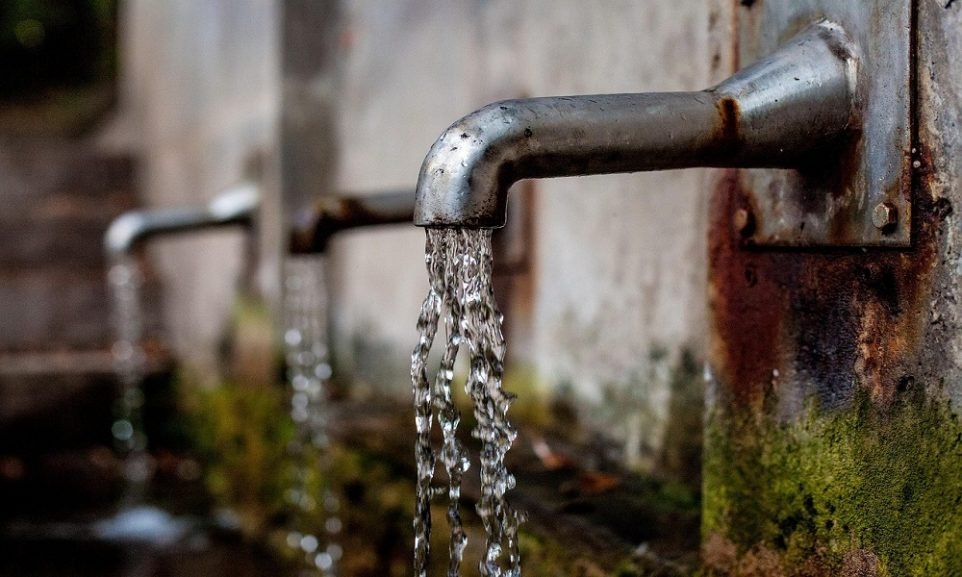
When “Safe to Drink” Can No Longer Be Assumed
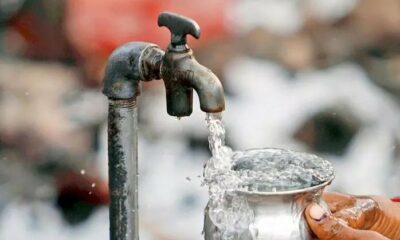
For many South Africans, turning on the tap is supposed to be one of life’s small certainties. But new findings suggest that this basic trust is quietly eroding, not just in remote areas, but in towns, cities and metros across the country.
A citizen-led water testing initiative has uncovered widespread contamination in drinking-water sources nationwide, raising alarm about what is coming out of taps, flowing into JoJo tanks and sitting in household storage systems.
The results are contained in WaterCAN’s Annual Citizen Science Water Testing Week, conducted in September, and the message is blunt: unsafe water is now a national problem affecting all nine provinces.
Ordinary Citizens, Disturbing Results
Using simple WaterCAN testing kits, more than 500 community volunteers sampled water from a range of sources household taps, tanks, rivers, dams and other local supplies.
What they found was deeply troubling. In most provinces, about two-thirds of tested water sources were unsafe for human consumption. The contamination patterns point to failing wastewater and sewage systems, rather than isolated incidents or one-off pollution events.
“The most alarming results come from drinking-water sources that should be safe at the point of use,” said Nomsa Daele, WaterCAN’s Citizen Science and Training Coordinator. “South Africans should not have to second-guess whether the water from their taps and tanks is safe to drink.”
E. Coli Found Where Families Drink and Cook
Perhaps the most worrying discovery was the presence of E. coli in household drinking water across eight municipalities.
These include King Cetshwayo District Municipality in northern KwaZulu-Natal, the City of Johannesburg and Sedibeng in Gauteng, Gert Sibande in Mpumalanga, Waterberg and Mopani in Limpopo, Bojanala Platinum in North West, and Pixley ka Seme in the Northern Cape.
In some cases, contamination was found directly in tap water, not just rivers or dams. In King Cetshwayo, a tap water sample tested positive for both E. coli and coliform bacteria, prompting WaterCAN to describe it as an urgent health issue.
“Our Rivers Have Become Open Sewers”
The data was analysed by Professor Anja du Plessis, an associate professor at Unisa, who said the findings reveal a systemic failure rather than sporadic pollution.
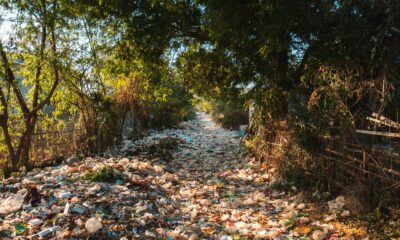
“No province is spared,” she said, noting that almost all tested surface water sources showed unsafe water quality. According to Du Plessis, rivers and dams across the country are increasingly contaminated by sewage and chemical pollutants.
“What we are seeing is sustained leakage from wastewater systems, phosphate hotspots, sewage flowing into rivers, and in some cases contaminated taps and tanks at the point where families drink and cook,” she said.
Public Anger and Growing Anxiety
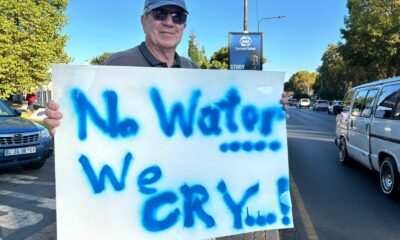
On social media, the findings have sparked frustration and fear, especially among residents already spending money on bottled water or filters despite paying municipal rates.
Many questioned how water quality has deteriorated so severely while warnings have mounted for years. Others pointed to the health risks for children, the elderly and people with compromised immune systems.
Calls for Urgent Action
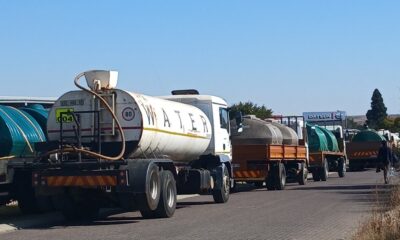
WaterCAN has called for immediate municipal and provincial intervention in affected areas, transparent and routine water-quality monitoring, and emergency provision of safe water where household sources are unsafe.
The organisation has also recommended direct engagement with municipalities, including formal requests for water testing and discussions on restoring safe supply systems.
By the time of publication, King Cetshwayo District Municipality had not responded to requests for comment.
What’s clear is that this is no longer a problem hidden in lab reports or rural headlines. It’s a national issue, surfacing in kitchens, bathrooms and backyards, one test at a time.
{Source: IOL}
Follow Joburg ETC on Facebook, Twitter , TikTok and Instagram
For more News in Johannesburg, visit joburgetc.com