News
One Day, Two Stories: The Fiery Debate Over How South Africa Should Mark Reconciliation
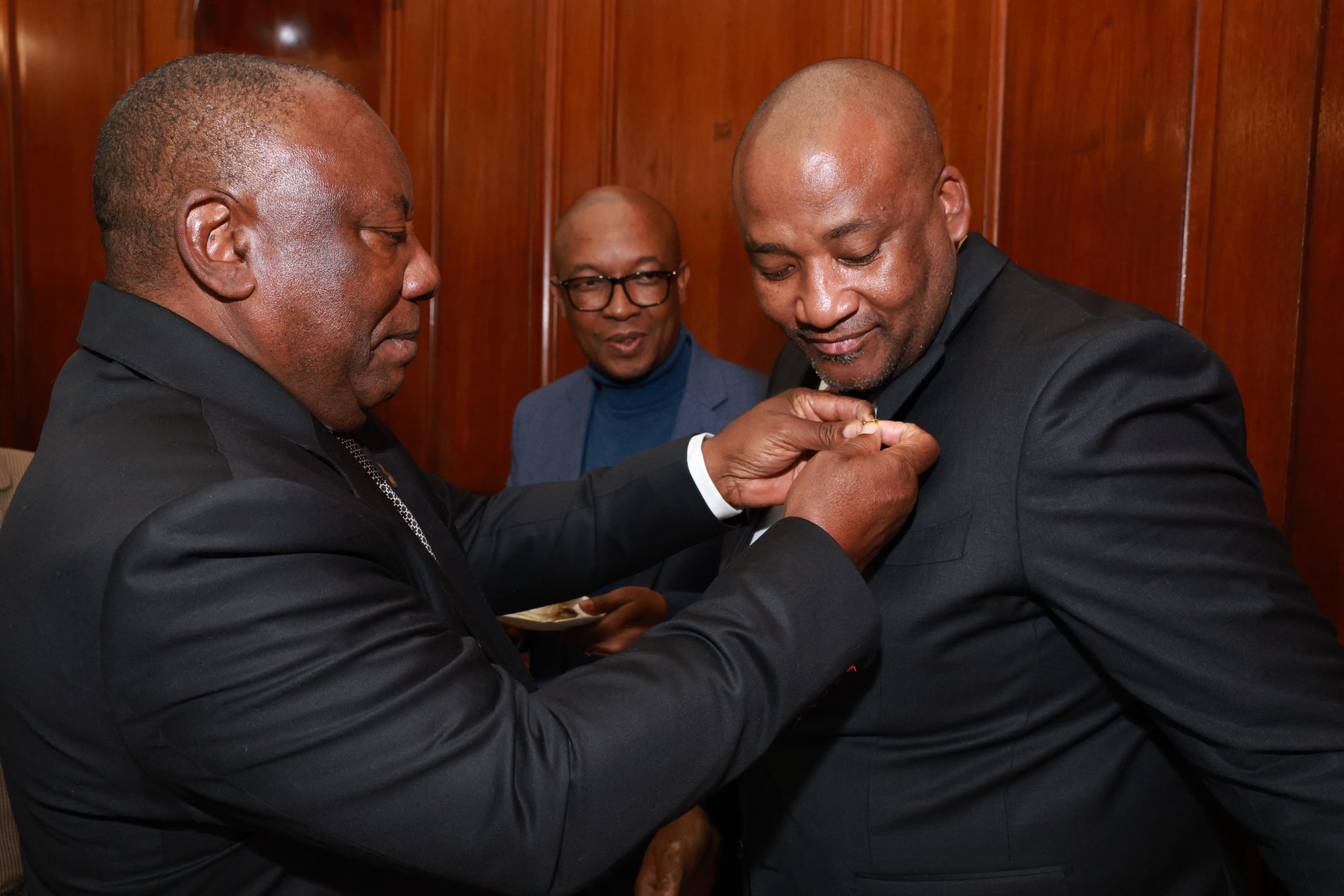
In a move that has lit up social media and exposed a deep national nerve, Minister of Sport, Arts and Culture Gayton McKenzie has declared that the era of separate commemorations on 16 December must end. His statement, issued shortly after attending the Afrikaner Geloftedag (Day of the Vow) ceremony at the Voortrekker Monument, has reignited a perennial debate about heritage, inclusion, and the true intent of the Day of Reconciliation.
“Today was the last time whereby we had different celebrations as a nation,” McKenzie posted. “The day is called Reconciliation Day for a reason… We are the children of Mandela.” He argued for a single, unified national celebration, framing it as the logical culmination of the holiday’s purpose.
Inclusion vs. Preservation: The Backlash
The minister’s vision was met with immediate and fierce pushback from many within the Afrikaner community, who saw it as an attempt to assimilate rather than reconcile. When criticised for being “culturally insensitive,” McKenzie fired back on social media, drawing parallels to the inclusion of ‘Die Stem’ in the national anthem.
“I am basically asking for us to worship and celebrate together,” he countered. “We can’t fake reconciliation; we do it correctly, or we should admit that we are unwilling to make it work.” In a pointed retort to those defending the day’s religious significance to Afrikaners, he added, “Scripture states very clearly that where there is unity, God shall command a blessing, unless anyone thinks of Blacks as heathens.”
The Heart of the Disagreement
The clash highlights the fundamental tension the day embodies. For many Afrikaners, Geloftedag is a sacred cultural and religious event marking a vow made to God after the 1838 Battle of Blood River. For the broader nation, 16 December was reconstituted as the Day of Reconciliation in 1994 to foster unity and healing.
Political parties like the Freedom Front Plus argue the two are not mutually exclusive. In a statement, they asserted that South Africa “should be a country where every group is free to celebrate its heritage, without assimilation or annihilation,” suggesting both commemoration and reconciliation are possible side-by-side.
McKenzie, however, questioned the selective application of “moving on.” “I find it curious that Black people are constantly being told to move on and forget Apartheid,” he posted. “But some of the White people want to hold on to the Voortrekker Promise.”
The minister’s provocative call has done more than spark another online spat. It has forced an uncomfortable but necessary national conversation. Is reconciliation best served by parallel ceremonies that respect distinct histories, or does true unity require forging a new, shared ritual on common ground? McKenzie has thrown down a gauntlet, challenging the country to decide if 16 December will remain a day of two narratives, or if it can finally become the single, unified story its name promises.
Follow Joburg ETC on Facebook, Twitter , TikTok and Instagram
For more News in Johannesburg, visit joburgetc.com