Business
January Petrol Prices: Big Fuel Cuts Expected at the Pumps
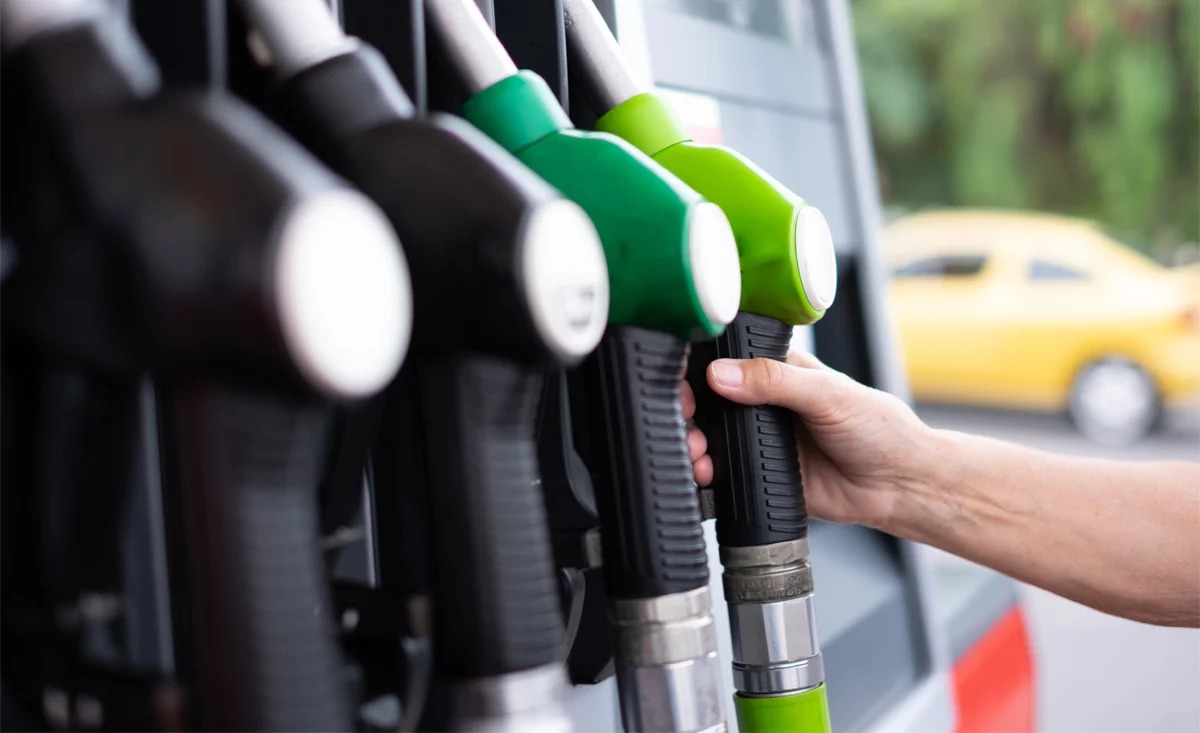
After a year of tight budgets and careful fuel planning, South African motorists are heading into January with something that has felt increasingly rare: genuine breathing room at the pumps. Fresh data released by the Central Energy Fund shows that fuel price recoveries have strengthened sharply as December draws to a close, setting the stage for meaningful price cuts in the new year.
For many households, especially in Gauteng, where driving is often unavoidable, this news lands at just the right time. January usually arrives with school fees, medical aid increases, and post-festive season debt. A lower fuel bill could soften the blow.
How much cheaper fuel is expected to be
Based on figures from the end of the third week of December, motorists can expect the following changes at the pumps in January:
Petrol 93 is forecast to drop by around 31 cents per litre.
Petrol 95 could fall by roughly 35 cents per litre.
Diesel users are set for the biggest win, with wholesale diesel down by between R1.10 and R1.20 per litre.
Illuminating paraffin is expected to decrease by about 85 cents per litre.
For petrol drivers, the improvement is particularly notable because recoveries have more than doubled since the middle of the month. The trendline is moving firmly in a positive direction, suggesting the cuts are not a last-minute fluke.
Why prices are falling now
Two key forces are working in motorists’ favour. The first is a resilient rand. Despite some holiday season wobbles, the local currency remains comfortably below the R17 to the dollar mark and has strengthened by more than 12 percent against the greenback this year. Analysts link this performance to improved fiscal discipline, cooling inflation, and strong precious metals prices.
Economic signals also suggest stability ahead. Inflation eased to 3.5 percent in November, keeping the South African Reserve Bank on track for potential interest rate cuts in 2026. While fuel prices rose slightly in December, the expected January reductions are likely to offset that pressure.
The second factor is the global oil market. Oil prices have been sliding steadily, with Brent crude now trading below 60 dollars a barrel. Oversupply is the dominant theme, driven by producers pumping more oil faster than expected while demand remains muted. Even ongoing geopolitical tensions have not been enough to reverse the downward trend.
What motorists are saying
On local social media, the reaction has been cautiously upbeat. Many drivers are welcoming diesel relief in particular, especially small business owners and delivery drivers who felt the pinch throughout the year. Others remain sceptical, pointing out how quickly global conditions can shift. Still, the general mood is one of relief rather than frustration, which is a welcome change for a country used to fuel price shocks.
When it becomes official
There is still more than a week of trading left in December, but both the rand and oil prices are firmly supporting stronger recoveries. The official announcement will come from the Department of Petroleum and Mineral Resources in the days leading up to the first Wednesday of January.
For January 2026, that date is Wednesday, 7 January. If current trends hold, South Africans could start the year with fuller tanks and slightly lighter financial pressure.
Follow Joburg ETC on Facebook, Twitter, TikT
For more News in Johannesburg, visit joburgetc.com
Source: Business Tech
Featured Image: TopAuto