
News
Tokyo’s $3.2 Million Tuna: Why One Fish Stopped Japan at the Start of 2026
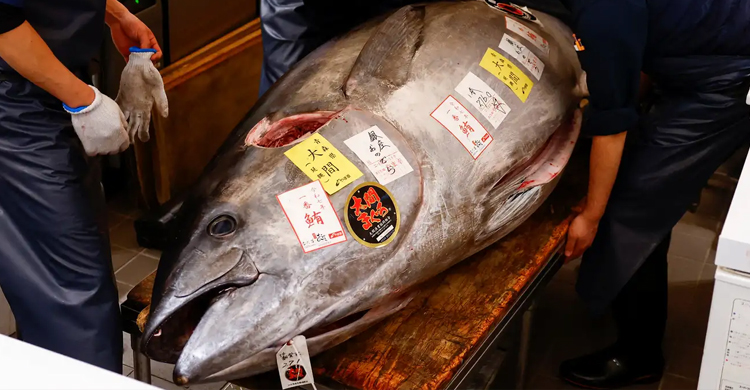
A pre-dawn bid that stunned Tokyo
As the city was still shaking off the first quiet hours of the new year, Tokyo’s main fish market buzzed with anticipation. Buyers gathered before sunrise, hands poised, knowing the opening auction of the year is never just about fish. It is about symbolism, status, and hope for the months ahead.
When the gavel fell, it landed on a jaw-dropping number. A single giant bluefin tuna sold for $3.2 million, the highest price ever recorded since comparable figures began in 1999. The winning bidder was none other than self-styled Tuna King Kiyoshi Kimura, whose sushi restaurant chain has become almost synonymous with headline-grabbing New Year bids.
Why this tuna was different
The fish weighed 243 kilograms and was caught off Japan’s northern coast. That alone made it impressive, but the context mattered just as much. This price eclipsed the previous record set in 2019, shortly after the market’s move from the historic Tsukiji site to its modern home at Toyosu Market.
Kimura later admitted he had hoped to pay less, only to watch the price race beyond expectations. For him, the motivation goes beyond publicity. In Japanese culture, the first tuna of the year is considered auspicious. Serving it is believed to bring good fortune to both diners and businesses.
From auction block to sushi counter
Not long after the sale, the tuna was expertly broken down and turned into sushi. Individual rolls sold for around 500 yen, making one of the world’s most expensive fish surprisingly accessible to everyday customers.
Diners spoke of sweetness and richness even before dipping into soy sauce. One young customer said eating the tuna felt like starting the year on the right foot. Another, a Shinto priest, described it simply as happiness on a plate. Social media in Japan quickly filled with clips from the auction floor and close-ups of glistening slices, with many users calling the moment a return to normal after lean pandemic years.
A comeback story beneath the price tag
Beyond the spectacle, the record bid reopened a quieter but crucial conversation about sustainability. Pacific bluefin tuna stocks were once near collapse, a warning that echoed through the global fishing industry.
According to conservation experts at the Pew Charitable Trusts, a recovery plan introduced in 2017 is showing results. Stocks are improving, offering rare good news in a sector often dominated by decline. The hope now is that fisheries managers from Japan, the United States, Korea, and other Pacific nations will agree on a long-term plan in 2026 that locks in these gains and prevents a return to overfishing.
Why the world still watches Tokyo
For outsiders, paying millions for a single fish can seem extravagant. Yet in Tokyo, the New Year tuna auction sits at the crossroads of tradition, commerce, and environmental responsibility. It is a global signal. Prices reflect confidence in the market, pride in craftsmanship, and growing awareness that abundance cannot be taken for granted.
In a year when sustainability will again be under the spotlight, this single bluefin has become more than a headline. It is a reminder that food culture, economics, and conservation are deeply intertwined, starting before dawn in a Tokyo market and rippling far beyond Japan’s shores.
Follow Joburg ETC on Facebook, Twitter, TikT
For more News in Johannesburg, visit joburgetc.com
Source: IOL
Featured Image: The Daily World Report


