News
UK Bans Junk Food Ads Before 9pm to Tackle Childhood Obesity
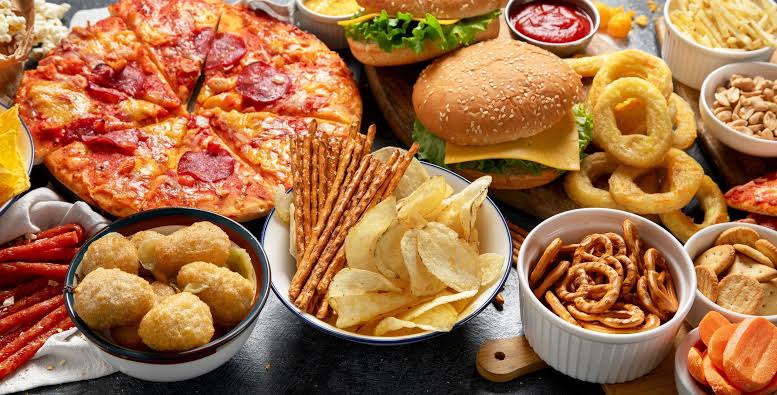
Britain Draws a Line on Junk Food Advertising
If you flick on daytime television in the UK this week, something feels different. The familiar parade of crisps, sugary cereals, and fast food promos has quietly disappeared. From Monday, Britain officially switched on a new set of rules that ban junk food advertising before the 9 pm watershed and across paid online spaces.
It is a significant moment for public health. The government has framed the move as one of the toughest advertising crackdowns anywhere in the world, with children firmly at the centre of the decision.
What exactly is now banned
The regulations target adverts for foods high in fat, salt, or sugar. These adverts can no longer appear on daytime television and cannot be promoted through paid online advertising at any time of day. The aim is simple. Reduce how often children are exposed to unhealthy food marketing while they are most likely to be watching or scrolling.
Health officials estimate that the changes could remove as many as 7.2 billion calories from children’s diets every year. Over time, this is expected to reduce the number of children living with obesity by around 20,000 and deliver close to £2 billion in health benefits.
Why the government stepped in now
The UK government has been building towards this moment for more than a year. The policy was first announced in December 2024 and follows a series of earlier interventions. These include extending the sugar tax to prepackaged drinks such as milkshakes, ready-to-drink coffees, and sweetened yoghurt drinks. Local councils have also been granted new powers to block fast food outlets from opening near schools.
At the heart of the decision is mounting evidence that advertising shapes children’s food choices from a very young age. Officials say exposure influences what children want to eat, when they eat, and how normal unhealthy food becomes in everyday life.
The statistics behind the concern are stark. Around 22 percent of children starting primary school in England are already overweight or obese. By the time they reach secondary school, that figure climbs to more than a third. Tooth decay remains the leading cause of hospital admissions for children aged five to nine, a fact health leaders say is closely linked to diet.
A shift towards prevention in the NHS
Health Minister Ashley Dalton said the advertising restrictions are about breaking patterns that form early and last a lifetime. By limiting exposure to unhealthy food marketing before 9 pm and removing paid online adverts altogether, he said the government hopes to reduce constant pressure on children to choose high-sugar and high-fat foods.
He also positioned the policy as part of a broader rethink of how the National Health Service operates. The long-term goal is a health service that prevents illness as much as it treats it, easing pressure on hospitals while improving quality of life.
Strong support from health groups
Public health organisations have broadly welcomed the move. The Obesity Health Alliance described the ban as long-awaited and an important step in protecting children’s well-being. Campaigners argue that for years, regulation lagged behind the reality of modern advertising, especially online.
Diabetes UK also backed the policy, pointing to the rise of type 2 diabetes in younger age groups. The charity has repeatedly warned that obesity significantly increases the risk of serious complications later in life, including heart disease and kidney failure.
Public reaction and the bigger picture
Online reaction in the UK has been largely supportive, particularly among parents and teachers who say children are bombarded with food advertising across screens. Some critics from the advertising and food industries argue the rules are heavy-handed, but polling in recent years has shown a growing public appetite for tougher action on child health.
From a global perspective, the UK’s decision will be closely watched. As countries grapple with rising childhood obesity and digital advertising that is hard to regulate, Britain’s approach could become a template for others considering similar restrictions.
For now, one thing is clear. Britain has made a decisive statement about where it believes responsibility lies when it comes to children’s diets. Not just at the dinner table, but on the screens that surround them every day.
Follow Joburg ETC on Facebook, Twitter, TikT
For more News in Johannesburg, visit joburgetc.com
Source: IOL
Featured Image: X (formerly known Twitter)/@InfoR00M