News
Eskom Closes 2025 with Strong Gains in Power Plant Performance
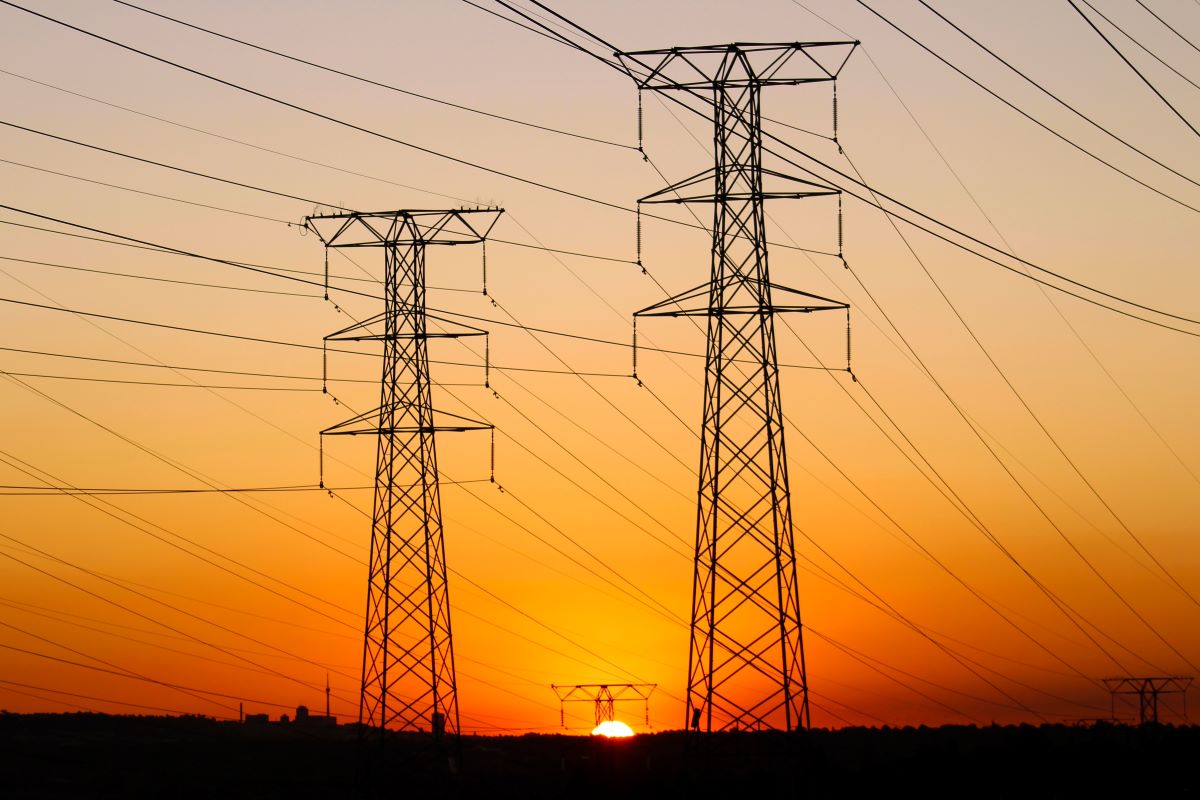
Eskom ends the year with rare good news for South Africans
After years of dimly lit dinners and phone alarms set around power cuts, South Africans are ending 2025 with something that once felt impossible. A stable electricity supply that is holding. According to official updates from Eskom, the national power system closed the year in its strongest position in nearly a decade, with plant performance improving steadily and unplanned breakdowns dropping sharply.
For households and businesses that have built daily life around backup batteries and gas stoves, the shift has been quietly dramatic. Load shedding, once the background noise of modern South Africa, has all but disappeared.
What is driving the turnaround behind the scenes
At the centre of the recovery is Eskom’s Generation Recovery Plan. The utility says this long-running programme is now delivering measurable results, strengthening the reliability of ageing power stations and improving operational resilience across the fleet.
Despite heavy rainfall in December, which traditionally puts pressure on coal operations, Eskom reports that the system remained stable and able to meet national demand. The improvement is not tied to a single power station but reflects broader gains across multiple plants following intensive maintenance over recent financial years.
Why the Energy Availability Factor matters
One of the clearest indicators of recovery is the Energy Availability Factor, known as EAF. In December 2025, Eskom recorded an EAF of 69.14 percent. That is a year-on-year jump of more than twelve percentage points compared to the same period in 2024.
Across the full year, the EAF averaged 64.35 percent, with the generation fleet hitting or exceeding the 70 percent benchmark on 49 separate occasions. For context, this level of consistency has not been seen since before South Africa’s power crisis deepened in the late 2010s.
Fewer breakdowns and a glimpse of 2019 levels
Perhaps the most telling improvement is the sharp drop in unplanned outages. Between late December 2025 and the first week of January 2026, average unplanned outages fell to just under 7,000 megawatts. That is less than half of what was recorded during the same period last year and roughly in line with levels last seen in 2019.
Unplanned capacity losses have also improved significantly, while planned maintenance has eased after several years of aggressive repair schedules aimed at restoring reliability. Eskom says this balance is allowing plants to run more consistently without compromising long-term performance.
Diesel savings signal deeper stability
Another quiet but important milestone is the reduction in diesel use. For two consecutive weeks, Eskom did not burn any diesel at all, resulting in zero expenditure during that period. Overall, diesel spending is now more than R2.5 billion lower than at the same point last year.
This matters because diesel turbines have long been a costly emergency tool during system stress. Using them less suggests that coal and other primary energy sources are carrying the load more reliably.
Life without load shedding is slowly sinking in
South Africa has now gone more than 230 consecutive days without an uninterrupted electricity supply. Only 26 hours of load shedding were recorded earlier in the financial year during April and May.
On social media, the mood has shifted from scepticism to cautious optimism. Many South Africans say they are still waiting for the other shoe to drop, but small habits are changing. Fewer generators hum through the night. Coffee shops no longer warn customers about power cut schedules. Evening routines feel normal again.
Can the momentum last into 2026
Eskom says it plans to bring more than 5,500 megawatts of capacity online ahead of the January evening peak, reinforcing supply during high-demand periods. While challenges remain, including ageing infrastructure and municipal debt, the utility insists that the current trajectory points to sustained improvement rather than a short-term lull.
For the first time in years, South Africans are entering a new year not asking when the lights will go off, but hoping they might finally stay on.
Follow Joburg ETC on Facebook, Twitter, TikT
For more News in Johannesburg, visit joburgetc.com
Source: The Citizen
Featured Image: BusinessTech