News
Ramaphosa stands firm on Mothibi appointment: “The Constitution gives the president that power”
“The law is clear”: Ramaphosa responds to backlash over NDPP choice
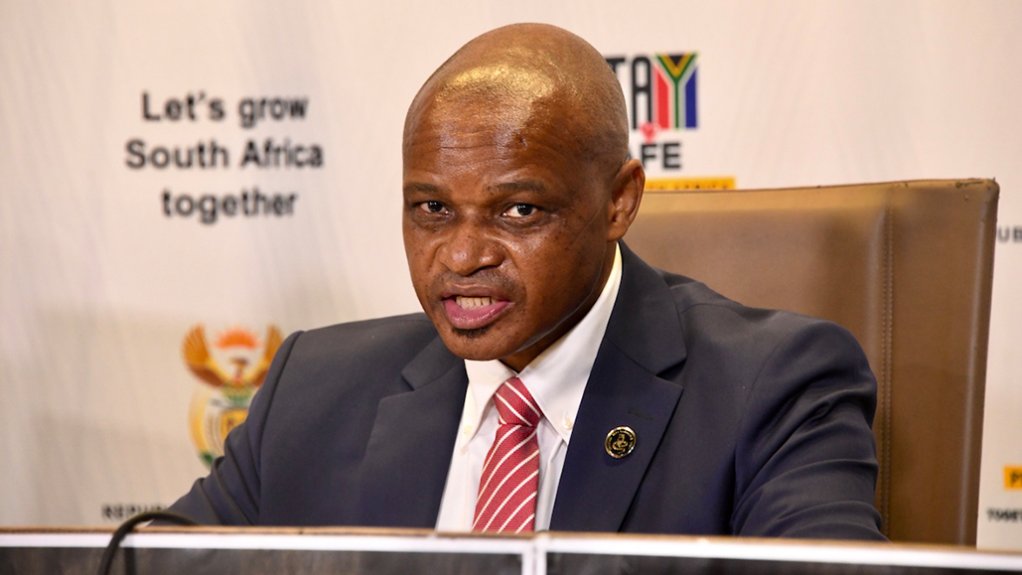
President Cyril Ramaphosa has moved to shut down growing criticism over his decision to appoint Advocate Andy Mothibi as South Africa’s next National Director of Public Prosecutions, even though Mothibi was never interviewed for the post.
Speaking on the sidelines of the ANC’s January 8 celebrations in the North West, Ramaphosa leaned on constitutional authority, urgency and experience to justify a move that has stirred debate in legal and political circles.
The appointment comes at a sensitive moment for the country’s criminal justice system, with public trust in prosecutions still fragile after years of state capture, stalled cases and high-profile disappointments.
Ramaphosa Welcomes Mothibi as NPA Boss, Signals Smooth Transition
President Cyril Ramaphosa has voiced strong belief that advocate Andy Mothibi is the right person to steer the National Prosecuting Authority forward, highlighting his vast experience and clean track record as key… pic.twitter.com/g8hLoFLEzG
Central News (@centralnewsza) January 7, 2026
Why Mothibi wasn’t interviewed and why it mattered
Earlier this year, Ramaphosa introduced an unusually open process for selecting the head of the National Prosecuting Authority (NPA). An advisory panel interviewed six candidates, among them former NDPP Menzi Simelane, with the aim of identifying a suitable successor to outgoing boss Shamila Batohi.
But after what Ramaphosa described as “intense” interviews, the panel reached an unexpected conclusion: none of the candidates were fit for the job.
That finding left the presidency facing a ticking clock. With Batohi set to retire at the end of January 2026, the president opted to exercise his constitutional powers rather than restart a lengthy process.
“The Constitution empowers me”
Ramaphosa told journalists he had hoped the public interview process would deliver a clear candidate, as it had when Batohi herself was appointed.
However, he stressed that the transparency initiative was never a legal requirement.
“The law says the president can appoint whomever he wants,” Ramaphosa said, explaining that he opened the process voluntarily because of the importance of the role.
With time running out, he said he relied on what the Constitution allows him to do: make the appointment directly.
Mothibi is expected to assume office on 1 February 2026.
A “known figure” in the justice system
In defending his choice, Ramaphosa repeatedly described Mothibi as a “known figure” with a proven track record inside South Africa’s criminal justice machinery.
As head of the Special Investigating Unit (SIU), Mothibi has overseen probes into state corruption, maladministration and irregular contracts, placing him at the centre of post-state capture clean-up efforts.
Ramaphosa said Mothibi has “distinguished himself” and demonstrated leadership under pressure, adding that he hopes South Africans will judge the appointment on merit rather than process alone.
Public reaction: divided, but familiar
On social media, reaction has been split. Some users welcomed the appointment, arguing that experience inside the system matters more than box-ticking. Others questioned the optics of bypassing interviewed candidates, warning that transparency gains could be undone.
Legal commentators have also revived an old debate: should the appointment of the NDPP be removed from presidential discretion altogether?
Ramaphosa himself acknowledged that the current system has limits, saying he would support future legal reforms to formalise a more open selection process.
Ramaphosa pushes back on Batohi criticism
The president also used the moment to defend outgoing NDPP Shamila Batohi, who has faced mounting criticism over slow-moving prosecutions and high-profile failures.
Ramaphosa described attacks on Batohi as unfair, noting that she took office when the NPA was “in serious need of transformation”.
He pointed to the compounded challenges of state capture fallout and Covid-era corruption, saying progress under those conditions was never going to be quick or easy.
“She made a great effort,” Ramaphosa said, adding that her role in stabilising and repositioning the NPA should not be overlooked.
What comes next for the NPA?
With Mothibi stepping in next month, attention will quickly shift from how he was appointed to what he delivers.
For many South Africans, the expectation is simple: visible prosecutions, accountability at the top, and fewer promises without consequences.
Whether Mothibi can meet those expectations may ultimately decide whether Ramaphosa’s controversial decision is remembered as constitutional pragmatism or a missed opportunity for deeper reform.
{Source: The Citizen}
Follow Joburg ETC on Facebook, Twitter , TikTok and Instagram
For more News in Johannesburg, visit joburgetc.com