Motoring
The R150k Challenge: Finding a Bakkie That Works as Hard as You Do
There’s a particular sound that defines the South African economy – it’s not the ringing of stock exchange bells, but the distinct diesel rattle of a workhorse bakkie starting up at dawn. For tradespeople, farmers, and small business owners, a bakkie isn’t a vehicle; it’s a mobile office, a tool locker, and often the difference between profit and loss. When your budget is R150,000, you’re not shopping for luxury – you’re investing in a business partner that needs to show up every single day.
This price point is fascinating territory. You’ve moved beyond the basic single cabs but haven’t quite reached the plush double cabs of recent years. You’re looking at bakkies that are roughly 8-12 years old, with between 150,000 and 250,000km on the clock. The question isn’t “has it worked?” – it’s “has it been cared for while working?”
The Reliability Hierarchy: What R150k Actually Buys
At this budget, three names dominate conversations at every building site and farm gate.
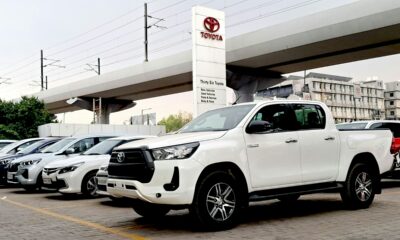
The Toyota Hilux (around 2010-2013 models) commands a premium, and for good reason. Its reputation for indestructibility isn’t just marketing – it’s lived experience for thousands of owners. You might get fewer features for your money, but you’re buying into legendary reliability and the best resale value in the business. The trade-off? That legendary status means everyone wants one, so clean examples at this price get snapped up fast.
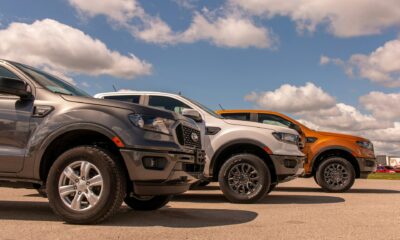
The Ford Ranger (similar vintage) offers a different proposition. For many, it delivers more comfort and car-like manners. The 2.2 TDCI and 3.2 TDCI engines are strong performers, but here’s the crucial detail: service history is everything. A well-maintained Ranger is a joy; a neglected one can become a financial nightmare. Check for complete service records like your business depends on it – because it does.
For the pure, no-nonsense workhorse, the Nissan NP300 Hardbody represents outstanding value. It’s simpler, often cheaper to insure and repair, and does one thing exceptionally well: work. It won’t win any comfort awards, but it will carry that ton of cement without complaint, day after day.
The Diesel Dilemma: Risk vs Reward
This is the most critical decision at this price point. A diesel bakkie offers better fuel economy when loaded – crucial if you’re covering serious distances. But a R150k diesel with 200,000km is entering the territory where injectors, turbos, and fuel pumps can fail catastrophically. Repair bills can easily hit R40,000-R60,000.
A petrol model, while thirstier, is generally simpler and cheaper to fix. For urban tradespeople or those doing shorter trips, petrol often makes more financial sense. Your fuel bill will be higher, but your risk of a business-crippling repair is significantly lower.
Choosing the right R150k bakkie comes down to honest assessment: How will it be used? Who will maintain it? What can you afford to fix? Find the one whose service book tells a story of consistent care, not just consistent use. That’s the partner that will help build your business, not break your budget.
Follow Carmag on Instagram and Facebook
Click here to browse a selection New and Used Cars for Sale