News
Rising rivers disrupt travel inside Kruger National Park amid severe weather
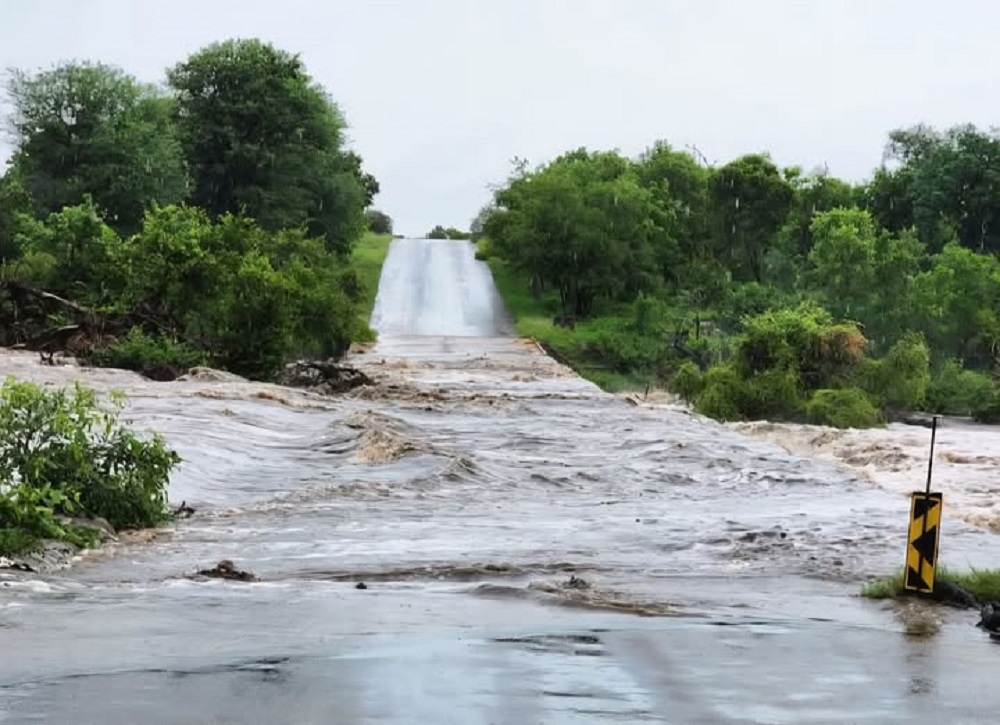
When summer rain turns serious in the Lowveld
Anyone who has spent a summer in the Lowveld knows how quickly blue skies can turn into pounding rain. This week, those familiar storms tipped into something far more serious. Following a Level 6 weather warning for parts of Limpopo and Mpumalanga, sections of Kruger National Park have been temporarily closed as heavy rainfall pushed rivers well beyond safe levels.
The Pafuri and Giriyondo border posts were among the first areas affected. With water continuing to pour across the park, visitors have been urged to rethink travel plans and stay in close contact with park officials on the ground.
Rivers on the rise and roads at risk
According to SANParks, safety has become the overriding concern as multiple river systems surge. The De Laporte, N’watshitsaka, and Crocodile rivers are flowing fast, while the rising Sabie River is expected to affect the Sand River. This knock-on effect could disrupt travel between popular stops like Satara, Tshokwane, Lower Sabie, and Skukuza.
In a park where river crossings and low-level bridges are part of everyday navigation, conditions can change without warning. Road closures may happen at short notice, and guests have been warned not to attempt flooded routes, no matter how tempting the shortcut may look.
What this means for campers and travellers
Camping areas that sit close to riverbanks are especially vulnerable during sustained rainfall. Park staff are actively guiding guests away from high-risk zones, and some campers have already been relocated within camps to safer areas closer to chalets. Importantly, this is not a full-scale shutdown. Many areas remain open, but movement is being carefully managed.
Visitors travelling to Skukuza Airport from north of Tshokwane have also been advised to plan carefully. Using Kruger Gate via Satara or Orpen, or exiting the park to travel along the R40, may add extra time but reduces the risk of getting stuck by flooded roads.
Precautionary evacuations underway
As a preventative step, Shingwedzi, Sirheni, and Bateleur camps have been evacuated to avoid possible isolation if water levels continue to rise. Guests at bush camps, including Talamati, Mbiyamiti, and Roodewaal, are being moved to Satara and Lower Sabie, where access routes are more reliable. Balule and Pafuri guests have been given the option to stay, as these areas are currently not considered at risk.
While evacuations can feel unsettling, regular visitors have largely welcomed the proactive approach. On social media, many praised park staff for prioritising safety over inconvenience, noting that the bush will recover far faster than people caught in dangerous conditions.
A reminder of nature’s rules
Kruger is often marketed as a place of calm and escape, but moments like these are a reminder that it is still wild, powerful, and unpredictable. Summer rainfall is essential for the ecosystem, replenishing rivers and supporting wildlife, but it also demands respect from those passing through.
Weather conditions are being monitored continuously, with further updates expected as systems move across the region. For now, patience and caution remain the best companions for anyone planning a visit.
Follow Joburg ETC on Facebook, Twitter, TikT
For more News in Johannesburg, visit joburgetc.com
Source: The Citizen
Featured Image: SABC News