Best of Johannesburg
How people actually get around Johannesburg without a car in 2026

Johannesburg has never pretended to be a walking city. Distances are long, suburbs are spread out, and the idea of strolling from Melville to Sandton is pure fantasy. Yet in 2026, living or visiting Joburg without a car is far more doable than many people expect. Locals have quietly mastered a mix-and-match approach that relies on trains, buses, apps, and a bit of street smarts.
The trick is knowing what works best for comfort, what saves money, and what simply gets you there fastest.
The Gautrain is still the backbone
If there is one form of transport that changed how Joburg moves, it is the Gautrain. Clean, predictable, and properly air-conditioned, it connects O.R. Tambo International Airport to Sandton, Rosebank, Park Station, Midrand, and Pretoria. For business travellers, airport runs, or anyone staying near a station, it remains the gold standard.
Feeder buses extend the reach into surrounding suburbs, making it easier to hop from the station to offices, malls, or hotels. Many locals use the Gautrain for the heavy lifting, then switch to another option for the final stretch.
Ride-hailing fills the gaps
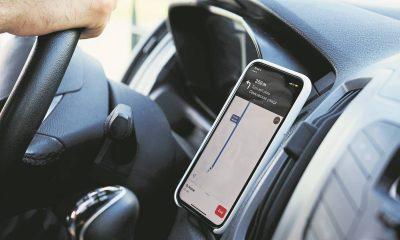
Uber and Bolt have become part of everyday life in Johannesburg. They are widely used, fairly priced, and especially popular for short trips, late nights, or places public transport does not quite reach. Bolt often comes in cheaper, while Uber tends to be more consistent in busy areas.
Social media chatter regularly points out that ride-hailing works best when used smartly. Ordering from a mall entrance or a clearly marked pickup point avoids confusion and keeps things smooth, especially in busy nodes like Sandton or Rosebank.
Buses that locals actually use
Rea Vaya has quietly built a reputation as one of the most reliable ways to travel between the inner city, Soweto, and parts of the western suburbs. Dedicated lanes mean buses avoid traffic, which alone makes them appealing during peak hours. For commuters heading into the CBD or students moving between campuses, it is a solid option.
Metrobus covers a wide network of suburbs and business districts. It is affordable and extensive, though routes often require a bit of planning. Many Joburg residents use it daily, even if visitors overlook it.
Minibus taxis for the full Joburg experience
No story about transport here is complete without minibus taxis. They are everywhere, cheap, and essential to how the city functions. They run on informal routes, rely on hand signals, and operate on their own rhythm.
For newcomers, they can feel overwhelming, but with local guidance, they offer unmatched reach. Many residents see them as chaotic but indispensable. They are best used during the day and without luggage, especially if you are still finding your feet in the city.
Walking only works in pockets
Johannesburg is famously not walkable, but that does not mean walking is impossible. Areas like Melville, parts of Rosebank, and sections of the CBD are manageable on foot during the day. The key is knowing where you are and keeping distances short. Walking is best treated as a connector, not a main mode of transport.
How locals really do it
Most people without cars do not rely on just one option. A typical day might involve a Gautrain trip to Sandton, an Uber to the office, and a bus ride home. Flexibility is what makes it work.
The biggest adjustment is time. Public transport runs on shared schedules, not personal ones. Leaving a little earlier and planning ahead make all the difference.
The bottom line
Johannesburg may sprawl, but it is no longer impossible to navigate without a car. With the Gautrain anchoring major routes, buses covering key corridors, and ride-hailing filling in the gaps, moving around the city in 2026 is practical and surprisingly manageable. It just requires a willingness to combine options and move like a local.
Also read: The best suburbs to live in Johannesburg in 2026, and why they stand out
Follow Joburg ETC on Facebook, Twitter, TikT
For more News in Johannesburg, visit joburgetc.com
Featured Image: Pexels