News
IDT boss Tebogo Malaka steps down as scandals engulf R800m oxygen tender

IDT boss Tebogo Malaka steps down as scandals engulf R800m oxygen tender
The Independent Development Trust (IDT) has entered yet another turbulent chapter following the resignation of its chief executive officer, Tebogo Malaka, whose exit comes after months of mounting controversy and public scrutiny.
Malaka’s resignation takes effect on 31 January 2026 and, notably, comes without any form of exit or compensation package, a detail that underscores the seriousness of the circumstances surrounding her departure.
𝐌𝐄𝐃𝐈𝐀 𝐒𝐓𝐀𝐓𝐄𝐌𝐄𝐍𝐓 pic.twitter.com/5XMfMDww4a
Independent Development Trust (IDT) (@IDT_org) January 14, 2026
From suspension to resignation
Malaka was placed on precautionary suspension in August 2025 after a PwC investigation uncovered serious irregularities linked to an R836 million tender for oxygen plants intended for 60 public hospitals across South Africa. At a time when healthcare infrastructure remains under intense pressure, the findings sparked outrage both inside and outside government.
According to the PwC report, Malaka and the IDT’s general manager for supply chain management, Molebedi Sisi, played central roles in approving the disputed contracts. The investigators recommended disciplinary action against senior officials involved, casting a long shadow over the trust’s leadership.
For many observers, the oxygen tender scandal cut particularly deep. The IDT is mandated to deliver critical infrastructure for vulnerable communities, and any failure in that mission inevitably raises questions about governance and accountability.
Bribery allegations add fuel to the fire
The controversy did not stop there. Malaka’s leadership was further rocked by a separate bribery scandal after she was allegedly filmed attempting to hand R60,000 in cash to Daily Maverick journalist Pieter-Louis Myburgh.
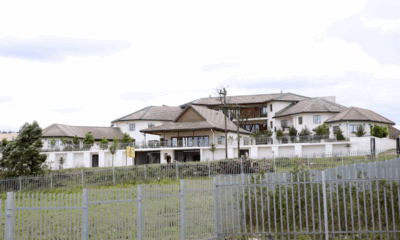
The alleged payment was reportedly meant to derail reporting into an IDT contract and Malaka’s luxury property in Waterfall, Gauteng. The footage circulated widely online, prompting intense public reaction and fuelling debates about corruption, media freedom and accountability in state entities.
Public Works and Infrastructure Minister Dean Macpherson subsequently laid criminal charges against Malaka and IDT spokesperson Phasha Makgolane, escalating the matter from internal discipline to criminal investigation.
A pattern of governance concerns
Malaka’s appointment as permanent CEO had already raised eyebrows before these scandals surfaced. She was allegedly confirmed in the role despite earlier accusations related to procurement irregularities involving a R45 million lease agreement.
Reports suggest the lease was approved without board knowledge and signed with Moepathutse Property Investments, a company alleged to have political connections claims that deepened concerns about governance failures within the trust.
What happens next for the IDT
In confirming Malaka’s resignation, the IDT said acting CEO Sfiso Nsibande, seconded from the Construction Industry Development Board (CIDB), will continue to lead the organisation to ensure stability and continuity.
For South Africans watching closely, Malaka’s departure is about more than one individual. It reflects a broader reckoning within state-owned entities, where public patience with mismanagement and corruption is wearing thin. On social media, reactions ranged from relief to frustration, with many calling for faster consequences and lasting reform across the public sector.
As investigations continue, the spotlight now shifts to whether accountability will extend beyond resignations, and whether the IDT can rebuild trust in its mandate to deliver essential infrastructure for the country’s most vulnerable communities.
{Source: The Citizen}
Follow Joburg ETC on Facebook, Twitter , TikTok and Instagram
For more News in Johannesburg, visit joburgetc.com