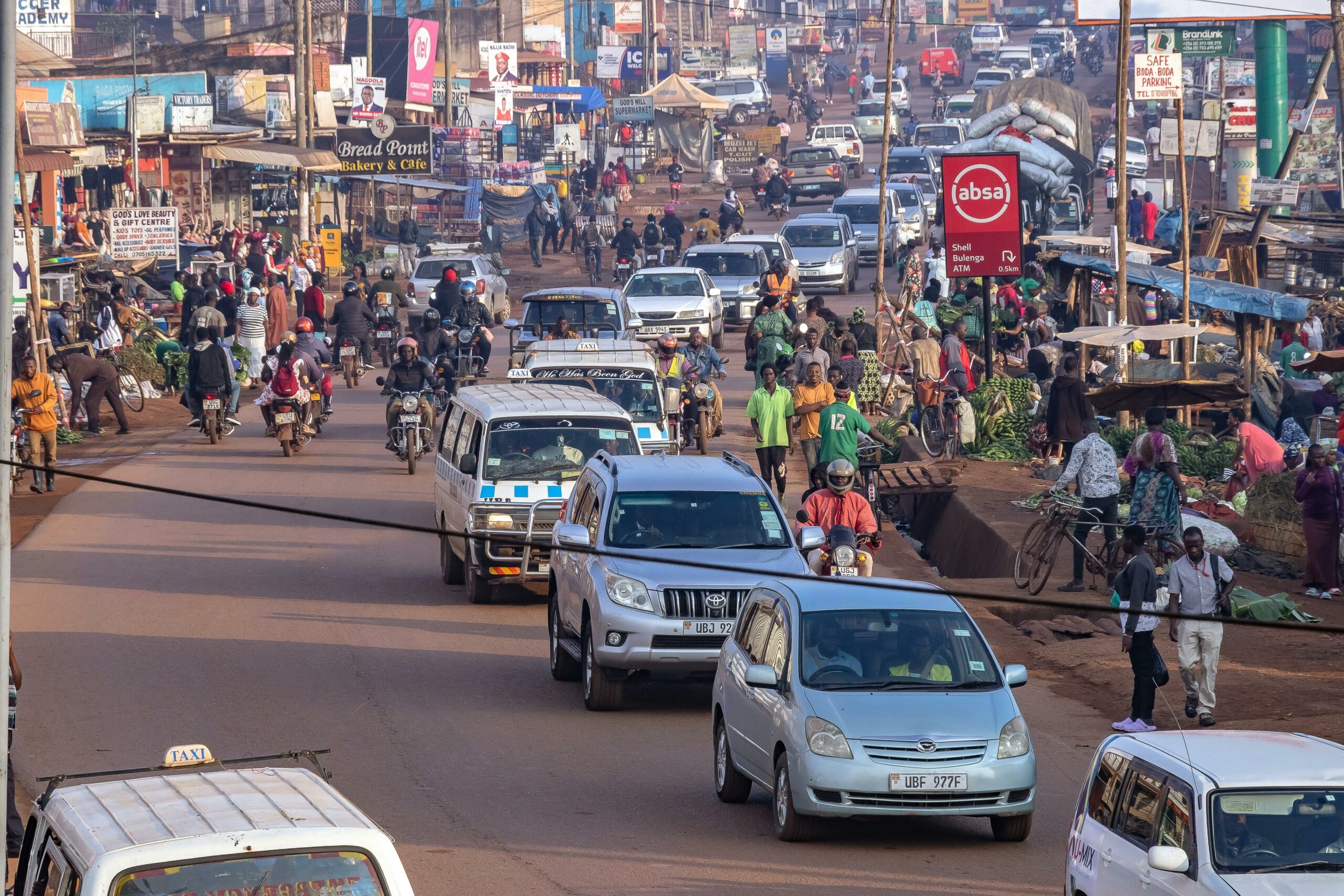
Kampala wakes up to quiet streets and switched-off screens.
If you walked through parts of Kampala this morning, you might have noticed something unusual. Not the long lines at polling stations, which are familiar here. Not even the heavy police and army patrols in towns like Jinja. It was the silence of the digital world. The internet went dark days ago, and for many Ugandans, it felt like the government had turned off the lights before asking the people to choose their future.
This isn’t just another election. It’s a moment that tests the soul of a nation that has known only one president for four decades. Yoweri Museveni, the former rebel fighter who helped bring stability after independence chaos, is now an 81-year-old leader facing a country restless for change.
The ‘Ghetto President’ and the Safe-Room Advice
Across the city, the local Daily Monitor newspaper didn’t lead with candidate profiles or policy promises. Instead, it ran a full-page guide on how to “election-proof your home.” It advised reinforcing doors, boarding windows, and choosing a safe-room in case violence spills from the streets into living rooms. That kind of advice tells you more about the public mood than any political speech.
Much of that anxiety ties back to the rise of Bobi Wine. Born Robert Kyagulanyi, the 43-year-old singer turned lawmaker calls himself the “ghetto president,” a nod to his roots in Kampala’s crowded slums. His campaign rallies have been met with tear gas and arrests. He now often wears a flak jacket in public, calling this election a “war” and Museveni a “military dictator.”
“We are very aware that they are planning to rig the election, to brutalise people, to kill people,” Wine told reporters this week, “and they don’t want the rest of the world to see.”
A Familiar Pattern, A Darker Turn
For older Ugandans, this crackdown feels familiar. Museveni’s rule has been marked by accusations of security force abuses against opponents. But this time feels sharper, more digital, more absolute.
The internet shutdowndespite earlier government promises not to impose onewas called “deeply worrying” by the United Nations. On social media before the blackout, Ugandans used hashtags like #UgandaDecides and #KeepItOn to plead with the world to watch. Now, with the digital curtain drawn, many fear what might happen off-camera.
Then there’s the story of Kizza Besigye, the opposition figure who ran against Museveni four times. Last year, he was reportedly abducted in Kenya and brought back to Uganda to face treason charges in a military court. His wife, UNAIDS director Winnie Byanyima, says Uganda’s democracy is now just a “thin veneer,” with state institutions fully captured by the president.
Why Does the World Look Away?
Here’s a piece of history that helps explain the moment. Museveni has long been useful to Western powers. In the 1980s, he embraced economic reforms they backed. After 9/11, he became a key partner in the so-called war on terror, sending troops to Somalia. That relationship bought leeway, even as his government faced criticism over corruption and rights abuses.
Yet on the ground, Museveni still has supporters. “Forty years doesn’t even matter,” said Banura Oliver, 41, on her way to the president’s final rally. “We need even more.” At that rally, Museveni was defiant. “Go and vote,” he told the crowd. “Anybody who wants to interfere with your freedom, I will crush them.”
Voices Silenced, Stories Untold
It’s not just opposition supporters feeling the pressure. Journalists have been harassed and blocked from covering rallies. In one shocking incident, local reporter Ssematimba Bwegiire lost consciousness after being electrocuted and pepper-sprayed by a security officer at a Bobi Wine event, according to Reporters Without Borders.
Human Rights Watch notes that ten NGOs, including election monitoring groups, have been suspended. The police warning that the vote is “not a justification for criminal acts” rings hollow to those who see the special constables deployed not as protectors, but as enforcers.
In a Kampala café, a young accountant in his thirties summed up the mood. “We will not talk about elections,” he said softly. “You can ask anything but not that.”
The Day After
Polls will close. The internet will eventually return. Votes will be counted. But the real story of this election isn’t just about who wins. It’s about a country navigating fear, memory, and a deeply uncertain future.
Ugandans remember the relative stability and growth Museveni brought, even if shadowed by corruption scandals. But they also see the boarded-up windows, the silenced phones, and the “ghetto president” who says he’s fighting for something new.
However Thursday’s results land, one thing is clear: Uganda is a nation holding its breath, hoping the morning after brings calm, not chaos.