Business
South Africa moves closer to a total ban on drinking and driving
A hard line on drinking and driving
For years, South Africans have lived with a quiet contradiction on the roads. Drinking and driving is illegal, yet the law still allows a small amount of alcohol behind the wheel. That long-standing grey area may finally be coming to an end.
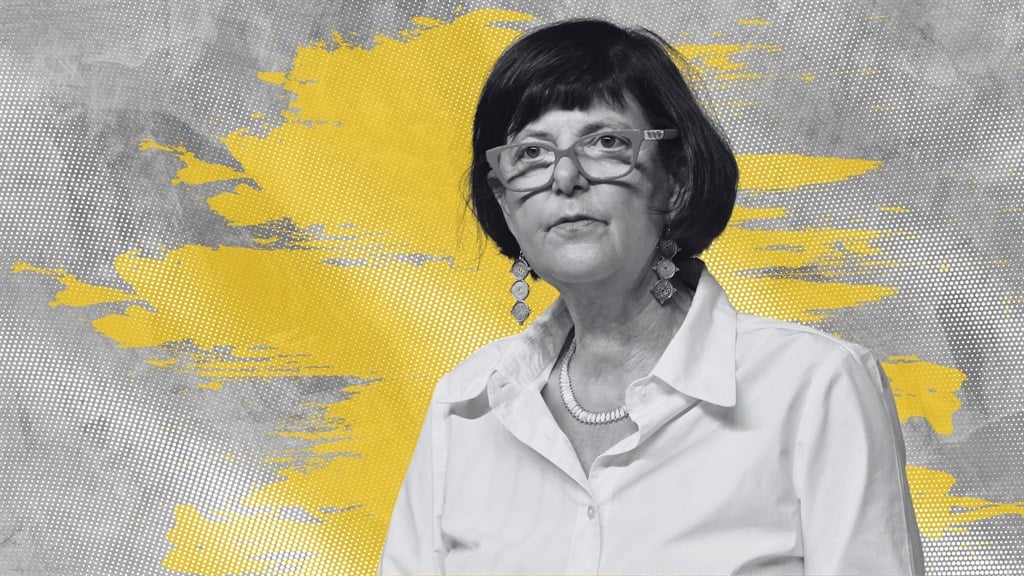
Transport Minister Barbara Creecy has confirmed that government plans are underway to lower South Africa’s legal drinking and driving limit to zero. The move would amend Section 65 of the National Road Traffic Act and remove any allowance for alcohol consumption before driving.
Speaking alongside Deputy Minister Mkhuleko Hlengwa, Creecy framed the proposal as both a moral and practical decision. In her words, the current system is confusing, outdated, and impossible to justify to families who have lost loved ones on the road.
Why the current limits are under fire
South Africa’s blood alcohol limits were set decades ago. At present, ordinary drivers are allowed up to 0.05 grams of alcohol per 100 millilitres of blood, while professional drivers are restricted to 0.02 grams. Breathalyser readings reflect similar thresholds.
Creecy has made it clear that these figures no longer make sense in a country battling one of the highest road fatality rates in the world. She described the law as totally unacceptable and said there is no clear way to explain why some drinking is allowed when lives are lost daily in alcohol-related crashes.
The proposed zero-tolerance rule would replace all of this with a single, simple message. If you drink, you do not drive.
Festive season numbers tell a worrying story
The push for change follows the release of the 2025 to 2026 festive season road safety report, covering the period from 1 December to 11 January. While five provinces recorded fewer road deaths, Gauteng, the Western Cape, Mpumalanga, and the Northern Cape all saw increases.
More than 40 percent of crashes and fatalities happened between 15 and 28 December. According to Creecy, this confirms a familiar pattern. Accidents spike once travellers have reached their holiday destinations and celebrations are in full swing.
Law enforcement activity during the same period paints an equally troubling picture. Over 1,600 roadblocks were conducted, and 1.8 million vehicles were stopped. More than 173,000 drivers were tested for alcohol, with 8,561 testing positive. That figure represents a 144 percent increase compared to the previous festive season.
Some cases were extreme. In KwaZulu-Natal, one driver recorded a blood alcohol level 14 times above the legal limit. In the Northern Cape, another motorist was clocked at 222 kilometres per hour in a 120 zone. For Creecy, these incidents underline why a zero-tolerance approach is no longer negotiable.
Not a new idea, but renewed urgency
The idea of zero alcohol for drivers is not new. Back in 2020, former transport minister Fikile Mbalula introduced the National Road Traffic Amendment Bill, which included removing blood alcohol limits entirely. The bill also proposed changes to licensing, driving schools, and enforcement systems.
Despite consultations and parliamentary debate, the legislation stalled and never became law. What feels different now is the renewed political will and the mounting evidence that existing measures are failing to curb dangerous behaviour on the roads.
Internationally, zero alcohol policies are increasingly seen as best practice, especially in countries with high road death rates. Supporters argue that such laws remove loopholes, end arguments at roadblocks, and make enforcement far simpler.
How South Africans are reacting
Public reaction has been swift and divided. On social media, many South Africans have welcomed the announcement, saying it is long overdue and could save lives, particularly during high-risk periods like December and Easter.
Others have raised concerns about enforcement and fairness, questioning whether zero tolerance will be applied consistently or used as another opportunity for harassment and bribery at roadblocks. These concerns reflect broader frustrations with traffic policing rather than opposition to the principle itself.
What is clear is that the conversation has shifted. The question is no longer whether drinking and driving is dangerous, but whether the law should tolerate it at all.
What happens next
For now, the zero alcohol rule is a proposal rather than a law. Amendments to the National Road Traffic Act still need to move through formal legislative processes before taking effect.
Creecy, however, has left little doubt about her position. She has repeatedly said that allowing any drinking before driving must end and that South Africans deserve a road safety policy that is clear, firm, and centred on saving lives.
If passed, the change would mean exactly what it says. No alcohol. No exceptions. No confusion.
Also read: Eskom’s legal challenge could stall South Africa’s electricity reform
Follow Joburg ETC on Facebook, Twitter, TikT
For more News in Johannesburg, visit joburgetc.com
Source: Business Tech
Featured Image: News24