Business
Why the Rand is showing real strength heading into 2026
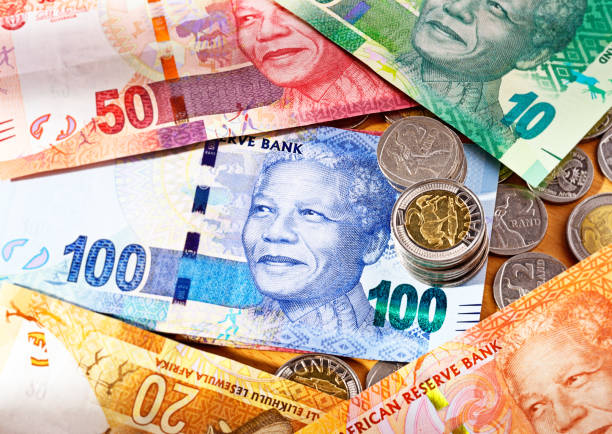
For many South Africans, the rand is something we brace ourselves against. It shapes fuel prices, grocery bills, travel plans, and even how confident we feel about the future. So when the local currency starts showing real strength, it turns heads.
After a solid run in 2025, the rand has kicked off 2026 with unexpected confidence. This time, it is not just riding on a weaker US dollar. There are deeper, local, and global shifts quietly working in its favour.
A different kind of rand rally
Last year, the rand’s gains were largely overshadowed by a falling dollar. In simple terms, the rand was not doing all the heavy lifting itself. This year looks different.
So far in 2026, the rand has strengthened sharply compared to the same period last year, outperforming the dollar by a wide margin. Economists say this points to genuine confidence in South Africa rather than a lucky break driven by overseas currency moves.
Investec’s chief economist, Annabel Bishop, has described this as the rand showing strength in its own right. That distinction matters because it suggests a more durable trend rather than a short-term spike.
How South Africa’s risk profile has changed
One of the biggest behind-the-scenes shifts is how global investors now view South Africa’s risk. A decade ago, the country was seen as one of the riskiest emerging markets. Today, that picture has softened.
South Africa’s credit default swap rate, a key measure of investor risk perception, has improved dramatically over the past ten years. This re-ranking signals that investors are less worried about a default scenario than they once were, and that confidence feeds directly into the currency.
For everyday South Africans, this matters because confidence lowers borrowing costs and attracts long-term capital rather than speculative money.
Global conflict and an unlikely advantage
It may sound counterintuitive, but rising military conflict in parts of the Northern Hemisphere has played into South Africa’s hands. As tensions grow elsewhere, investors often look for regions that are geographically removed from conflict zones.
South Africa’s distance from major global flashpoints has made it a more attractive destination for risk-taking capital in 2026. In uncertain times, being far away from the world’s trouble spots can be a quiet advantage.
Trade ties and the metals boom
Another important factor is trade. South-South trade, which refers to trade between developing economies, rose strongly in 2025 and continued momentum into this year. This shift reduces reliance on traditional Western markets and spreads risk more evenly.
At the same time, strong prices for precious metals like gold and platinum have boosted South Africa’s export earnings. These metals remain central to the country’s mining sector, and higher prices improve the country’s terms of trade. When exports earn more, the rand tends to benefit.
Foreign investors are buying again
One of the clearest signals of renewed confidence is what foreign investors are doing with their money. In 2025, foreign buyers snapped up a significant amount of South African government bonds, far more than the year before.
That appetite has carried into early 2026, with purchases already exceeding many previous monthly totals. Investors are drawn by attractive yields and the belief that South Africa offers solid returns for the risk involved.
Interest rate expectations also play a role here. Markets are betting on further rate cuts in the United States, while South Africa is expected to move more cautiously. If that gap widens, South African bonds become even more appealing, supporting the rand further.

Image 1: Daily Investor
A stronger foundation than before
Beyond markets and metals, South Africa enters 2026 with several confidence-boosting milestones behind it. The country has exited the Financial Action Task Force greylist, inflation has eased significantly compared to recent years, and S&P Global has upgraded South Africa’s credit rating.
These developments do not make daily headlines, but they shape long-term investor sentiment. Together with modest but improving growth prospects, they create a more stable base for the currency.
What the rand could look like this year
Looking ahead, economists expect the rand to trade in a relatively firm range against the US dollar through 2026, assuming global conditions remain broadly supportive. Growth is expected to improve gradually over the next five years, although structural challenges like freight and infrastructure constraints remain a brake.
In short, the rand’s current strength is not built on hype. It reflects changing perceptions, global dynamics, and tangible economic improvements. For South Africans used to volatility, this period of resilience may feel unfamiliar, but it is a reminder that the rand still has the ability to surprise on the upside.
Follow Joburg ETC on Facebook, Twitter, TikT
For more News in Johannesburg, visit joburgetc.com
Source: Daily Investor
Featured Image: iStock