News
German court signals state-backed role in Nord Stream bombing
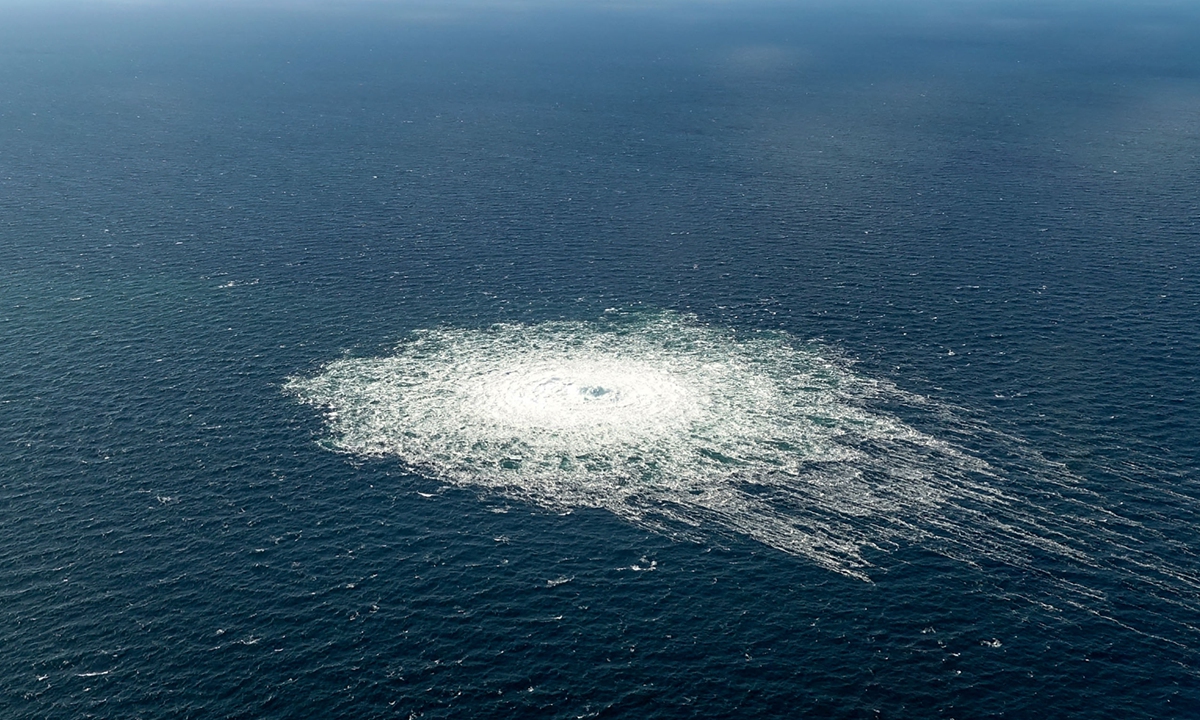
German court signals state-backed role in Nord Stream bombing
Germany’s investigation into the 2022 Nord Stream pipeline explosions has taken a striking turn. The Federal Court of Justice (BGH) has indicated that the destruction of the Baltic Sea gas pipelines was likely a covert operation orchestrated by a foreign intelligence service, a ruling that keeps the primary suspect in custody.
The decision, published this Thursday, rejects an appeal against the pre-trial detention of 49-year-old Sergey Kuznetsov, a former Ukrainian special forces operative. Prosecutors allege he led a team of saboteurs who rented a yacht and used commercial diving equipment to plant explosives on the pipelines.
Court rejects immunity defense
Kuznetsov’s defense argued that, given the Ukraine-Russia conflict, the pipelines could be treated as legitimate military targets, claiming “functional immunity” as a public official acting on behalf of a foreign state. The BGH dismissed this claim, emphasizing that the pipelines were primarily civilian infrastructure.
The ruling stated: “The general functional immunity of public officials resulting from sovereign immunity under international law poses no obstacle to the accused Ukrainian’s prosecution… in the event that he participated in the act of sabotage on behalf of a foreign state’s intelligence service.”
In other words, the court considers that involvement in such clandestine operations does not shield individuals from prosecution, particularly when civilian safety and Germany’s territorial jurisdiction are at stake.
Broader implications for international law
The ruling also has wider implications. By framing the attack as likely directed by a foreign intelligence agency, Germany signals that covert sabotage of critical infrastructure in international waters can trigger national prosecution, regardless of the conflict context. Analysts suggest this could set a precedent for handling attacks on civilian energy networks globally.
Another suspect, diving instructor Vladimir Zhuravlyov, remains at large after a Warsaw court denied Germany’s extradition request in October, highlighting ongoing legal hurdles across EU jurisdictions.
Moscow questions narrative
Russia has voiced skepticism over the idea that a small team could execute such a sophisticated strike without state-level support. Moscow has criticized what it calls a lack of transparency and accused EU authorities of relying on private individuals as “scapegoats” to obscure the full circumstances behind the Nord Stream attacks.
The investigation continues
With Kuznetsov’s detention confirmed, German prosecutors are expected to continue piecing together how the operation was planned and executed. The case underscores the growing challenges of policing critical energy infrastructure in a world where intelligence operations and hybrid warfare blur the lines between military and civilian targets.
As Europe watches, the Nord Stream case is shaping up not just as a criminal trial but as a legal test of accountability in international sabotage, intelligence operations, and cross-border security.
{Source: IOL}
Follow Joburg ETC on Facebook, Twitter , TikTok and Instagram
For more News in Johannesburg, visit joburgetc.com