News
US hits Iran with fresh sanctions as Trump steps back from military threats
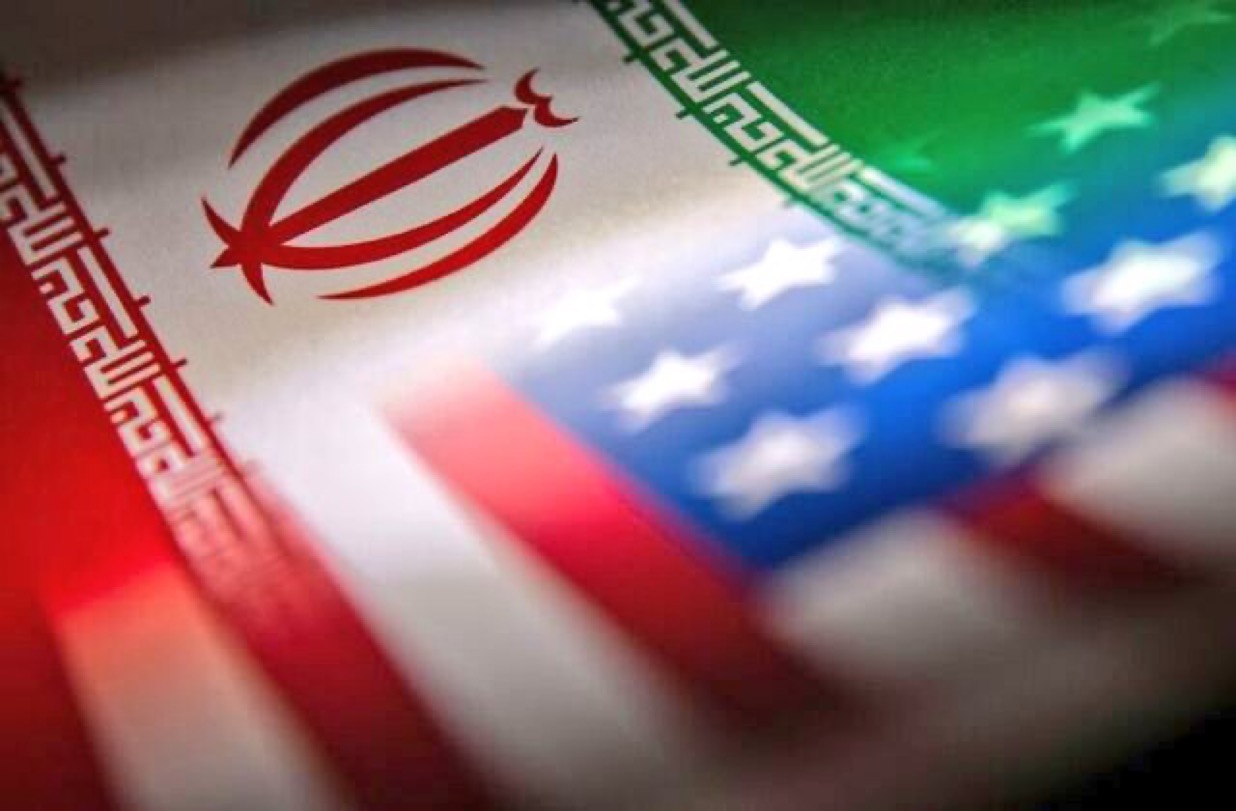
US targets Iranian officials amid ongoing unrest
Washington has ramped up pressure on Tehran with new sanctions targeting senior Iranian security figures accused of repressing civilian protests. The US Treasury announced penalties against Ali Larijani, secretary of Iran’s Supreme National Security Council, along with several commanders from the Islamic Revolutionary Guard Corps (IRGC) and law enforcement units.
In a sharp statement, Treasury Secretary Scott Bessent warned that funds being siphoned by Iranian officials from citizens would be traced and blocked globally, calling out the network’s “frantic” attempts to move stolen money through banks.
Expanded sanctions list
Beyond top officials, the US also targeted 18 other individuals and entities believed to have helped Iran evade oil sanctions. Meanwhile, the State Department added Fardis Prison to its sanctions list, citing its role in human rights abuses.
The sanctions arrive as Iran struggles to contain widespread unrest sparked by soaring inflation and a plummeting rial, which triggered riots in December. Tehran has argued that foreign interference, including the alleged involvement of Mossad, helped escalate protests into violent clashes with security forces.
Trump signals restraint
US President Donald Trump, who had recently suggested he might consider “very strong” military action if Iran executed rioters, appears to be stepping back. Speaking to CBS News, he indicated that the situation had stabilised: “The killing in Iran has stopped,” he said, adding, “They’re not gonna have executions.”
Regional caution
US allies in the Gulf, including Saudi Arabia, Oman, and Qatar, have reportedly advised caution, warning that military intervention could destabilize oil markets and empower hardline factions within the IRGC. This counsel seems to have influenced Washington’s current approach, favoring targeted sanctions over direct military action.
What this means
The combination of sanctions and diplomatic restraint reflects a shift in the US response strategy: punishing key Iranian officials and financial networks while avoiding immediate military escalation. Analysts suggest that this dual approach aims to maintain pressure on Tehran without risking a broader conflict in the volatile Middle East region.
Social media reaction has been mixed. While some praise the US for holding Iran accountable without resorting to war, others express frustration, arguing that sanctions alone will not address the systemic repression inside the country.
As tensions simmer, all eyes remain on Tehran and Washington, with the next moves likely to define regional stability and global oil markets in the months ahead.
{Source: IOL}
Follow Joburg ETC on Facebook, Twitter , TikTok and Instagram
For more News in Johannesburg, visit joburgetc.com