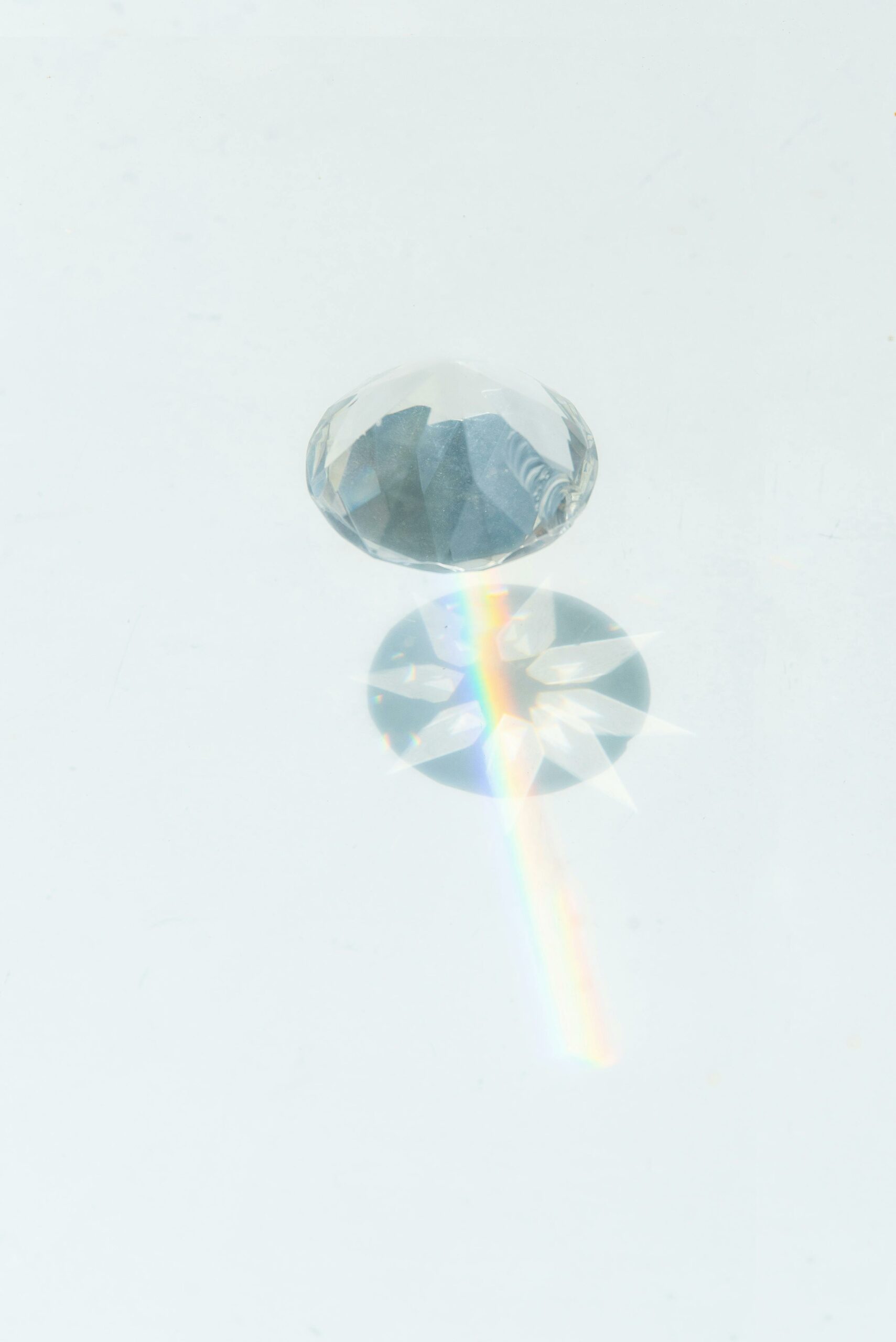
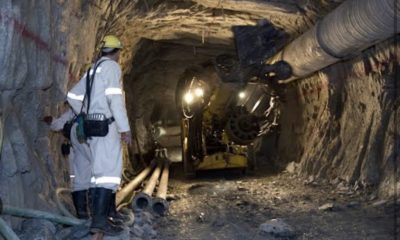
In the deep, dark belly of a South African mine, the earth has offered up a miracle with a sense of poetic symmetry. The historic Cullinan Mine, already hallowed ground in the world of gemology, has produced a find that is stopping experts in their tracks: a breathtaking 42-carat blue diamond whose rough form bears an uncanny, natural resemblance to the map of Africa.
Operated by Petra Diamonds, the mine near Pretoria is no stranger to fameit birthed the colossal Cullinan Diamond in 1905, pieces of which now grace the British Crown Jewels. But this latest discovery feels different. It’s not just a gem; it’s a symbol, pulled from the soil of the continent it so strikingly mirrors.
More Than a Colour: The Rarity of Type IIb
Preliminary analysis confirms the stone is a Type IIb diamond, a category that accounts for a mere fraction of one percent of all natural diamonds. Their mesmerising blue hue isn’t a trick of the light, but a story of ancient chemistry. It comes from trace amounts of boron, incorporated into the crystal structure under immense pressure and heat hundreds of kilometers below the surface, long before volcanic fury brought it within our reach.
Petra Diamonds has described it as a “41.82 carat type IIb blue diamond of seemingly exceptional quality.” The phrase “seemingly exceptional” is a cautious understatement in an industry that has seen it all. Specialists are now meticulously studying the rough stone, its every facet and inclusion, to decide how to cut and polish a treasure that already looks like a finished work of art from nature’s hand.
A Multimillion-Dollar Question of Potential
While the stone’s poetic shape captures the imagination, its financial gravity is equally staggering. Johannesburg diamond expert Gregory Katz estimates its eventual auction price could land between $30 and $40 million. “There is little doubt it is a significant find,” Katz noted, emphasizing that the final, polished gem will be significantly smaller than the current rough form, as cutters work to maximise brilliance and size from the original stone.
This valuation arrives at a critical juncture for the global diamond trade. The market is wrestling with the dual pressures of softer demand and the relentless rise of high-quality, affordable lab-grown alternatives. A find of this narrative power and sheer rarity is a potent reminder of what cannot be replicated in a laboratory: deep time, chance, and a unique sense of place.
From Crown Jewels to a Continental Icon
The Cullinan Mine’s legacy is woven into history books. The original Cullinan Diamond was cut into nine major stones, including the Great Star of Africa, which sparkles in the Sovereign’s Sceptre. This new blue wonder, however, carries a different kind of weight. Its silhouette makes it an instant icon, a piece of African earth reflecting the very form of Africa itself.
On social media, South Africans are already buzzing with a sense of pride and ownership. Comments range from calls for the stone to “stay on the continent” to witty remarks about its “homegrown shape.” It has transcended a mining press release to become a national talking point.
For now, the diamond rests in secure analysis. Petra Diamonds has not announced a sale timeline. But whenever it emerges, polished and set, it will carry more than a price tag. It will carry the story of its origin twice over: from the deep mantle where it was born, and from the celebrated, troubled, beautiful continent whose shape it was destined to wear.