Best of Johannesburg
Thinking of visiting Johannesburg next week? Here’s what to know
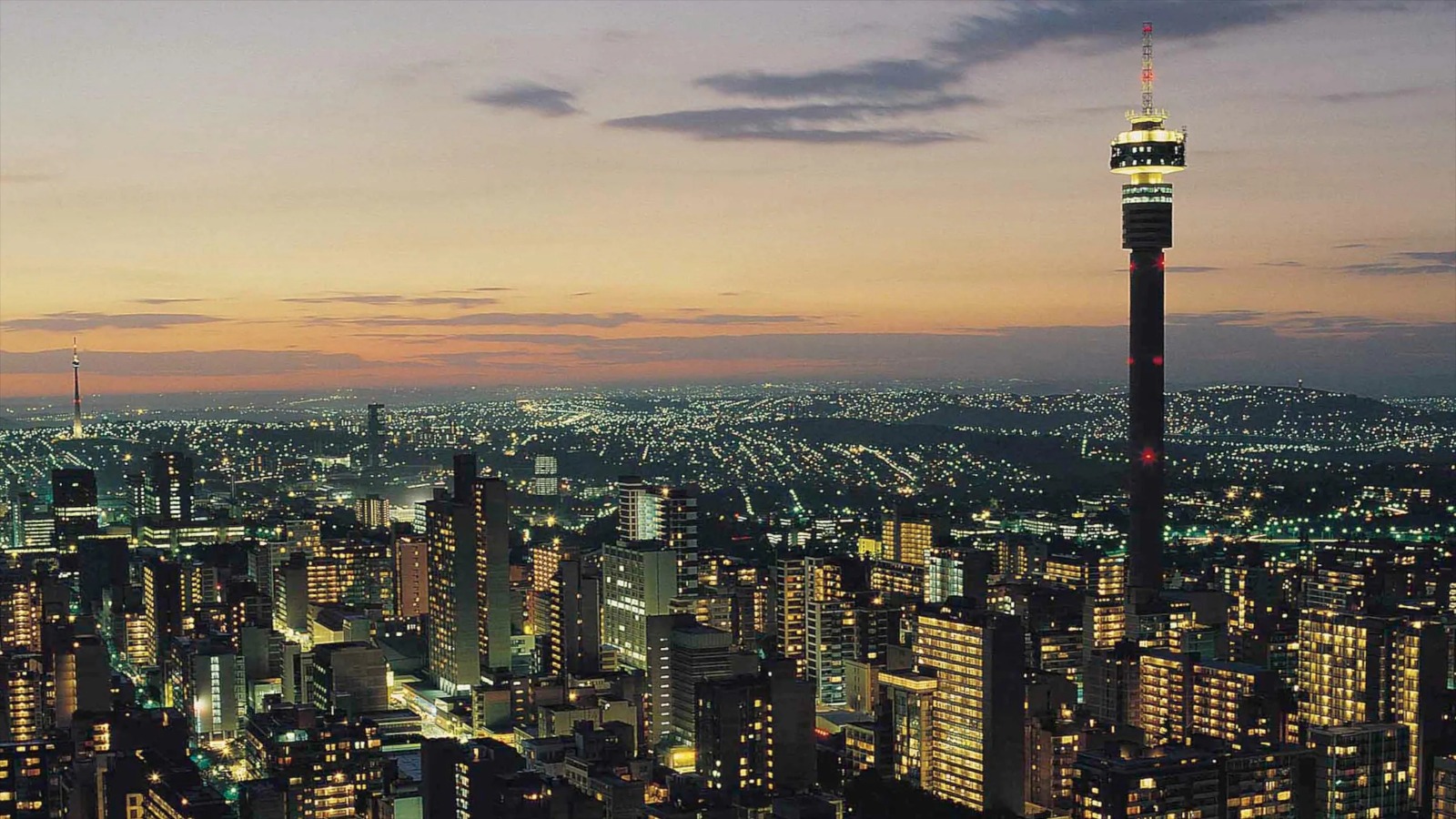
Johannesburg is a city of energy, contrast, and character
Landing in Johannesburg for the first time can feel overwhelming in the best and worst ways. One moment, you are surrounded by glass towers, rooftop bars, and some of the best food on the continent. Next, you are confronted by a city still carrying the weight of its history and inequality. If you are arriving next week in mid- to late January 2026, a little context and preparation will go a long way.
Here are five things every visitor should know before stepping into Joburg.
Expect summer heat, storms, and extreme sun
January is peak Highveld summer. Days are warm to hot, with temperatures generally sitting between the low twenties and just under thirty degrees. Mornings are often clear and bright, while afternoons bring dramatic thunderstorms that roll in quickly and clear just as fast.
What often surprises visitors is the sun. Johannesburg’s UV levels are currently extreme, even on cloudy days. Sunscreen, hats, and light layers are not optional. Locals plan around the weather by doing outdoor activities early, then ducking into cafés, malls, or museums once the clouds start to build.
Street smarts matter more than bravado
Johannesburg rewards awareness. Crime is a reality, and visitors are expected to be alert rather than fearful. Avoid displaying phones, cameras, or jewellery in public spaces. Walking between neighbourhoods is not advised, especially after dark.
Stick to well-known areas like Sandton, Rosebank, Melrose Arch, and parts of Braamfontein when exploring on your own. Township visits, including Soweto, are best done with reputable guided tours. Rideshare services such as Uber are widely used and considered the safest way to get around. Locals will also tell you to keep car doors locked and windows closed at intersections to avoid smash-and-grab incidents.
This is one of South Africa’s most important history capitals
Johannesburg is not just a business hub. It is where much of South Africa’s modern story unfolded. A visit to the Apartheid Museum or Constitution Hill offers essential insight into the country’s past and present. Soweto, particularly Vilakazi Street, gives a powerful context through everyday places like Nelson Mandela’s former home.
Many visitors say these experiences are the emotional core of their trip. On social media, travellers often describe Joburg as confronting but deeply rewarding, especially when history is explored alongside today’s creative districts like Newtown and Braamfontein.
Power cuts are part of daily planning
Load shedding remains part of life in Johannesburg. While hotels, shopping centres and many restaurants have backup power, outages can still affect traffic lights, smaller venues, and travel timing.
Locals check schedules daily and plan meals, meetings, and outings around them. As a visitor, it helps to be flexible and patient. Carry a charged power bank, confirm bookings in advance, and expect the occasional delay. Most travellers report that while inconvenient, it rarely ruins the experience.
The city’s contrasts are part of its identity
Johannesburg is South Africa’s economic powerhouse, and the contrasts are impossible to ignore. Luxury shopping in Sandton exists alongside areas still waiting for investment. This duality is often what stays with visitors long after they leave.
The upside is variety. One day you can eat world-class cuisine, from African-inspired fine dining to Turkish, Indian, and Chinese favourites. Next, you can explore green spaces like the Walter Sisulu Botanical Gardens or take a short drive to the Cradle of Humankind, a World Heritage Site that reminds you just how ancient this land is.
Quick local tips before you go
Fly into O.R. Tambo International Airport and get a local SIM card there for reliable navigation and ride-hailing. South Africa uses three-pin and two-pin plugs, so a universal adapter helps. Tipping around ten to fifteen percent in restaurants is standard if service is not already included.
Johannesburg is not a city you passively consume. It asks you to pay attention, to listen, and to move with intention. Do that, and next week’s visit could be one of the most memorable urban experiences you have anywhere in the world.
Also read: Johannesburg’s best weekend markets and food events right now
Follow Joburg ETC on Facebook, Twitter, TikT
For more News in Johannesburg, visit joburgetc.com
Featured Image: Expedia