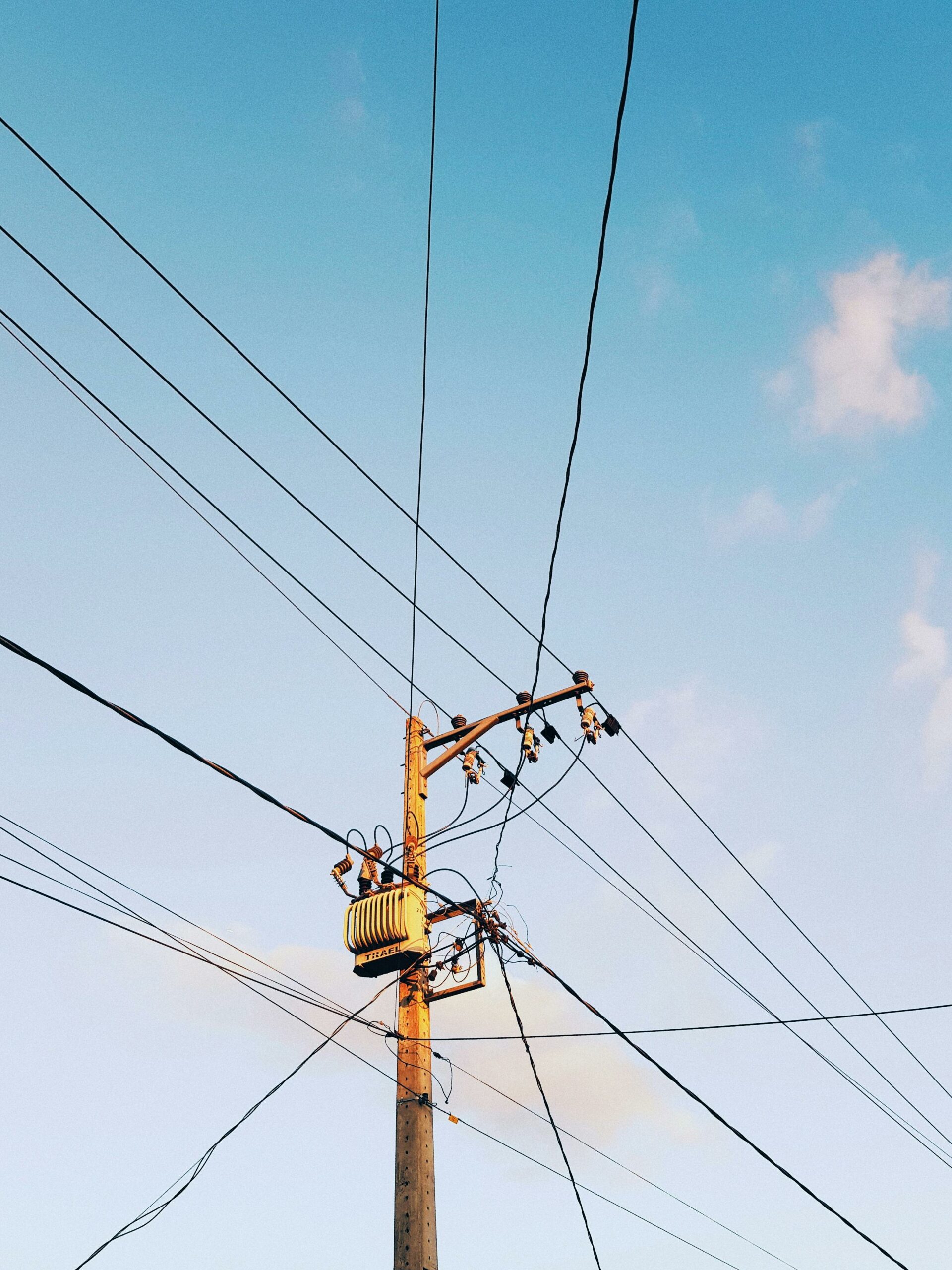
In Pietermaritzburg, a recent High Court judgment has lit a fuse under a long-simmering dispute between citizens and the city over the true cost of keeping the lights on. The Gauteng High Court has ruled that the Msunduzi Municipality’s electricity tariffs for the 2024/25 financial year are unlawful, setting them aside and ordering the city to go back to the drawing board.
But for thousands of households and businesses, this legal victory comes with a knot of anxiety. The court has mandated that Msunduzi must resubmit its tariff application to the National Energy Regulator of South Africa (Nersa)this time accompanied by the crucial cost of supply study that it previously refused to disclose. The fear now circulating in living rooms and boardrooms is not of a reduction, but of a potential dramatic increase.
A Victory That Feels Like a Threat
The ruling, won by the Pietermaritzburg and Midlands Chamber of Business, was rooted in a fundamental principle of transparency. The Chamber’s CEO, Melanie Veness, explains that when the proposed 15.5% hike was tabled last year, the municipality labelled its underlying cost study “confidential,” blocking any meaningful public scrutiny.
“Having established that the process was flawed and the study questionable, we applied to have the tariff declared unlawful,” Veness states. The court agreed, but the remedya full recalculationopens a Pandora’s box.
For ratepayer groups, the prospect is alarming. Anthony Waldhausen of the Msunduzi Association of Residents, Ratepayers and Civics (MARRC) voices a widespread dread: “This could mean that the tariffs may double, forcing residents to cough up extra money to cover the incompetence at Nersa and Eskom.”
His sentiment captures a raw public mood. “Currently, residents are facing significant financial hardships and struggling to put food on the table,” he says. “We cannot accept these high tariffs… MARRC will oppose these high electricity tariffs!”
The Crucial, Hidden Document
At the heart of the controversy is the cost of supply study. This document is supposed to be the financial blueprint, detailing exactly how the municipality calculates the cost of providing electricity before adding a regulated small profit. By law, tariffs must be cost-reflective. The Chamber’s case argued that without this document, there was no way to verify if the proposed 13.32% increase (down from 15.5% after Nersa’s intervention) was fair, or if some customer categories were being overcharged to subsidise others.
Veness notes a particular concern: domestic users who may have been “enjoying relief at the industry’s expense” could face a steep correction. However, she urges all sectors to engage in the coming 20-day public consultation period Nersa must now hold. “It is critical that all sectors of the economy engage… to ensure fair and cost-reflective tariffs.”
What Happens Next?
The court has given Msunduzi 10 days to resubmit its application with the cost study. Nersa must then publish it and allow for public comment. The municipality, in a brief response, says it has not yet received the official order and will comment “at the appropriate time.” Nersa has indicated it will issue a statement.
For now, the people of Msunduzi are in a tense holding pattern. The court has demanded transparency, but the outcome of that transparency remains uncertain. One thing, however, is clear: as the municipality crunches its numbers anew, a coalition of ratepayers, residents, and business owners is preparing to scrutinise every line item. They are ready for a fight, believing that in a city already straining under financial pressure, a higher power bill is a burden too far.