News
Greenland showdown escalates as Trump and Europe head for trade clash
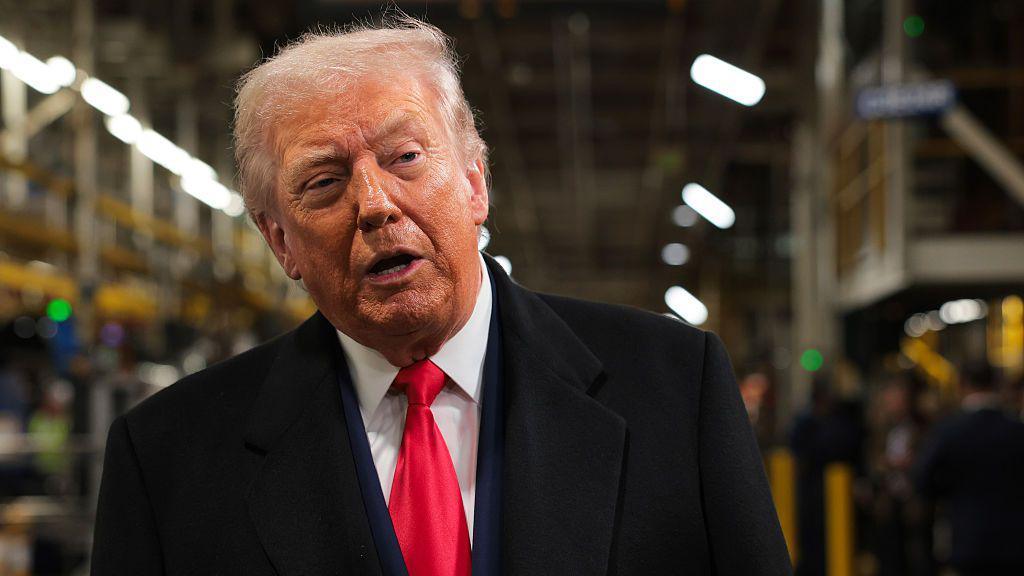
What started as an unlikely geopolitical tug-of-war over Greenland has now tipped into a full-blown economic standoff between the United States and Europe. Over the weekend, European Union officials scrambled into emergency talks as US President Donald Trump threatened sweeping tariffs on key European allies for opposing his stance on Greenland.
Behind closed doors in Brussels, the mood was firm but measured. EU diplomats emerged from Sunday’s emergency meeting signalling solidarity with Denmark and Greenland, while also making it clear that Europe’s biggest trade weapons are prepared, even if they remain on standby for now.
Tariffs first, diplomacy for now
Trump’s latest move landed with force on Saturday. He announced a 10 percent tariff on imports from eight European NATO countries, including Denmark, France, Germany, and the United Kingdom, set to take effect on February 1. The message was blunt. If Europe does not soften its opposition to Greenland, those tariffs could rise to 25 percent by June.
For the EU, this crossed a line. Greenland may be sparsely populated, but its strategic and political importance runs deep, particularly for Denmark and Europe’s Arctic interests. Across Europe, political leaders and commentators have questioned the use of trade penalties as leverage in territorial and sovereignty disputes.
Still, EU leaders have opted not to strike back immediately. Officials are pursuing a final diplomatic push, hoping to cool tensions before any economic retaliation becomes unavoidable.
The trade weapons waiting in the wings
While restraint is the public posture, Europe is far from unprepared. A previously suspended package of retaliatory tariffs worth €93 billion is ready to be reactivated. The measures were drawn up during Trump’s earlier tariff threats and only shelved after a fragile trade understanding was reached last summer.
If no deal emerges, that package could snap back into force within days of the US tariffs kicking in. European diplomats have privately acknowledged that the mechanism is designed to move quickly, sending a signal that Europe will not absorb economic pressure quietly.
Beyond tariffs, an even more powerful option is being debated. The EU’s Anti-Coercion Instrument, adopted in 2023, allows the bloc to respond to what it defines as economic coercion. This could include limits on market access, investment restrictions, and constraints on intellectual property rights.
French President Emmanuel Macron has openly backed using this tool, calling Trump’s approach unacceptable. His stance has resonated in parts of Europe, where there is growing concern about setting a precedent that economic pressure can be used to influence sovereign decisions.
Why Greenland matters so much
Greenland has long fascinated global powers, not for its size, but for its strategic location and resources. Trump famously floated the idea of buying the island during his earlier presidency, a proposal that was swiftly rejected by Denmark and Greenland’s leadership.
This latest chapter has revived old anxieties about sovereignty, security, and the growing militarisation of the Arctic. For Europe, defending Greenland is not just about loyalty to Denmark but about drawing clear boundaries around political independence.
A decisive week ahead
European Council President Antonio Costa has called an extraordinary summit for Thursday, January 22, bringing EU leaders together to align their response. His message has been direct. Europe is ready to defend itself against coercion in any form.
Whether this dispute cools through diplomacy or escalates into a broader trade confrontation now hinges on the coming days. What is clear is that the Greenland question has become a flashpoint, revealing just how fragile transatlantic trade relations remain under Trump’s hardline approach.
Follow Joburg ETC on Facebook, Twitter, TikT
For more News in Johannesburg, visit joburgetc.com
Source: IOL
Featured Image: BBC