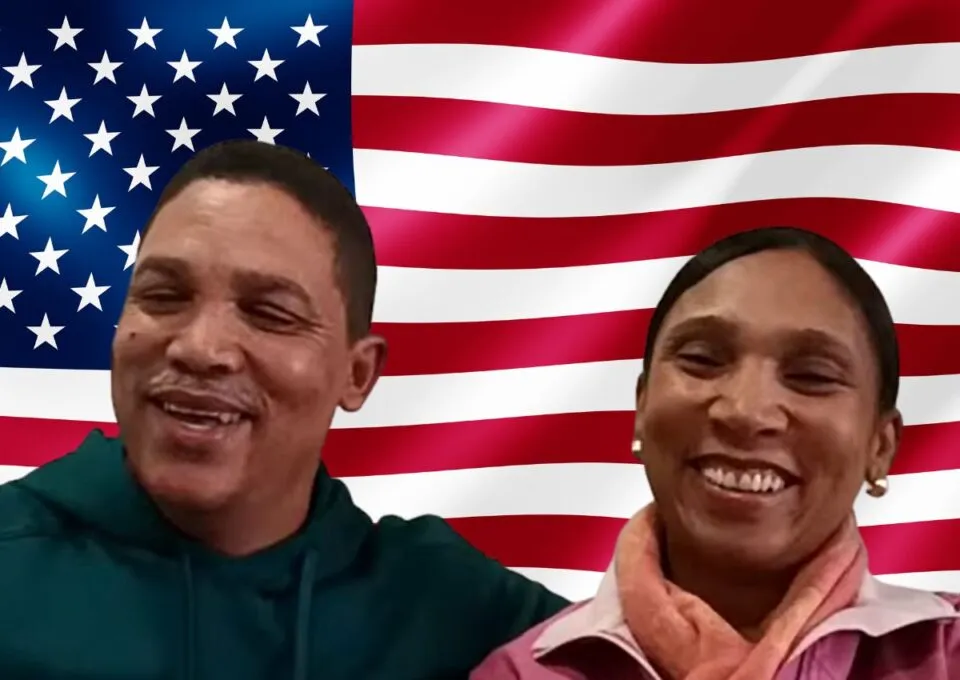
From the familiar warmth of Wellington’s vineyards to the biting cold of a South Dakota winter, Anthony and Elvera Grant’s world has transformed. A week into their new life in a two-bedroom apartment in Sioux Falls, the Coloured Afrikaner couple and their two children are grappling with the practicalities of displacementmissing Cape mountains and koeksusterswhile voicing a resolute, painful conviction: they see no future for their family in South Africa.
In an interview with US intelligence analyst Chris Wyatt, the Grants became some of the first faces of a controversial refugee resettlement programme to speak publicly. Their message was pointed and emotional. “We want to set the record straight, we’re tired of the lies,” Anthony stated, setting the tone for a conversation steeped in fear, loss, and determination.
A Decision Forged in Fear
The catalyst for their drastic move was a traumatic incident in 2024, which they described as being “attacked” and “held hostage” in their own home. This experience, Anthony explained, crystallised a pervasive feeling of vulnerability. “The government is not on our side. With the current climate, it looks like cases like that are going to escalate,” he said.
For Anthony, news of the US refugee resettlement programme last February presented a lifeline. “It was a way to escape South Africa,” he revealed. The family sold their home in Wellington to fund a completely new beginning, a testament to their commitment to leave.
“No Regrets” Amidst the Cold
Despite the cultural and climatic shock, the family expressed “no regrets.” Their central concern, repeatedly emphasised, was their children. “We don’t see a future for our children in South Africa. It’s going to be difficult to make a decent living there,” Anthony said, articulating a sentiment that blends economic anxiety with profound personal safety concerns.
The journey has ignited debate back home. To those who question their claims or motives, Anthony had a sharp retort: “sour grapes.” It’s a phrase that underscores the deep divisions and raw nerves surrounding narratives of persecution, migration, and identity among minority communities in South Africa.
The Grants’ story is more than a personal account; it’s a political lightning rod. It gives human dimension to a polarising refugee programme, challenging official narratives about safety and opportunity in South Africa. As they unpack in Sioux Falls, their words from across the ocean are sure to fuel ongoing, heated conversations about who gets to claim victimhood, who gets to leave, and what their departure says about the country they left behind.