News
South Africa’s disaster response must evolve as floods expose cracks, Ramaphosa says
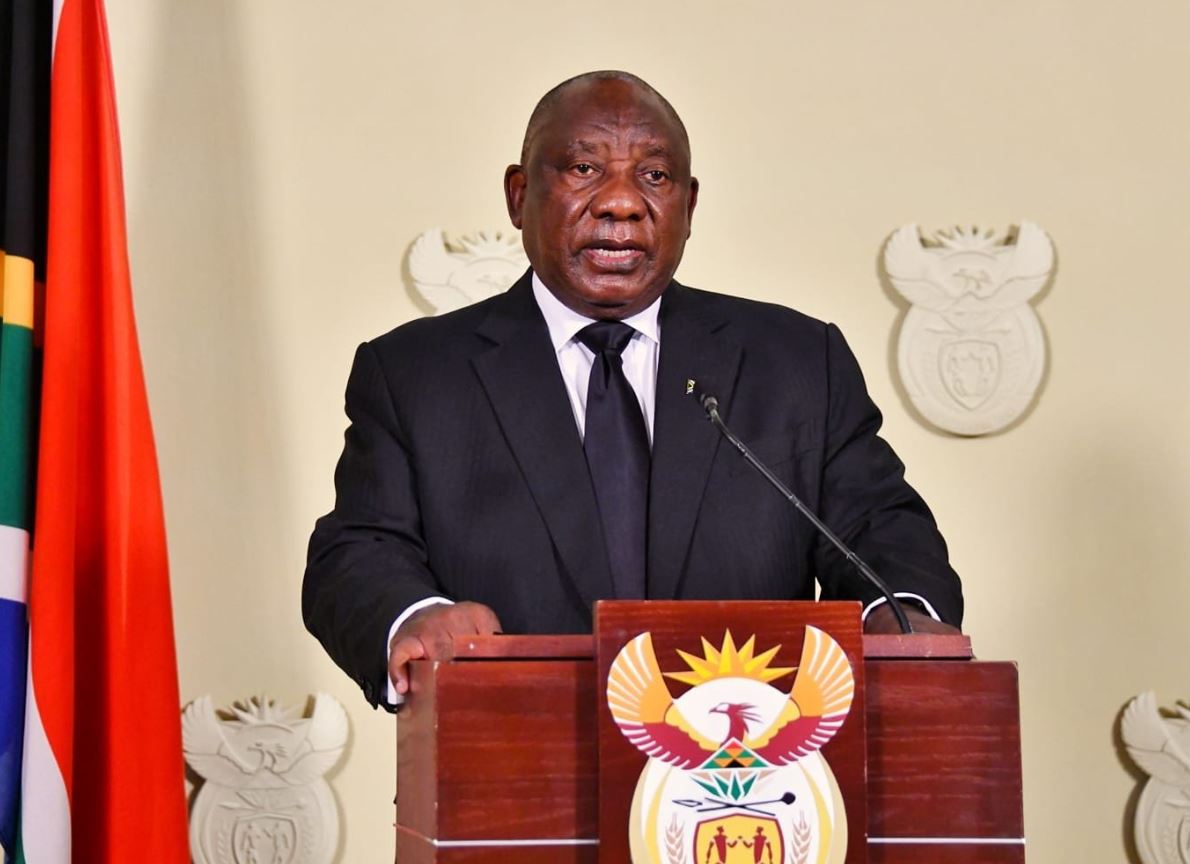
South Africa’s disaster response must evolve as floods expose cracks, Ramaphosa says
When the water finally began to recede in parts of Mpumalanga and Limpopo, it left behind more than mud-soaked homes and broken bridges. It left a hard question hanging in the air: is South Africa truly ready for disasters that are becoming more frequent and more destructive?
President Cyril Ramaphosa doesn’t think the answer is a clear yes not yet.
Standing in the flood-hit Nkomazi Local Municipality in Mpumalanga on Monday, Ramaphosa acknowledged that while emergency teams acted swiftly, the country’s overall disaster readiness still needs serious strengthening. His comments come as the death toll from the recent floods reaches 37, with thousands of lives disrupted and damage running into the billions of rands.
Today, I visited flood stricken areas in the Mpumalanga. Over 1500 households are recorded as affected by the disaster. Schools in the affected areas of Nkomazi and Bushbuckridge have been suspended.
The government will be focusing on the repair and rehabilitation of damaged… pic.twitter.com/YdTyQAYESr
Cyril Ramaphosa 🇿🇦 (@CyrilRamaphosa) January 19, 2026
Lives lost, communities uprooted
In Mpumalanga alone, at least 1,157 households have been affected. Across the provincial border in Limpopo, the scale of destruction is even more visible on the roads: more than 430 have been damaged, several bridges washed away, and hundreds of residents displaced.
For many families, this isn’t just about rebuilding walls and roofs. It’s about lost income, children unable to get to school, and communities cut off from basic services.
Praise for first responders and a reality check
Ramaphosa was careful to credit those on the front line. The South African National Defence Force, along with provincial and local emergency services, were praised for responding quickly and effectively under difficult conditions.
But praise came with a warning.
South Africa, the president said, must “gear up” its disaster response systems. With climate change no longer an abstract concept but a lived reality, floods, fires and extreme weather events are becoming part of everyday life especially for vulnerable communities.
PRESIDENT Cyril Ramaphosa arrives in Mpumalanga for an oversight visit in flood-stricken areas.
The President’s first stop in Mjejane was met with much jubilation from locals amidst devatation left by continuous floods. He is flanked by the provincial leadership including… pic.twitter.com/elExTSZgam
GCIS_Mpumalanga (@GCISMpumalanga) January 19, 2026
Unsafe settlements and planning failures under the spotlight
One of the most uncomfortable truths raised during the visit was where many of the worst-hit homes are located. Low-lying areas and flood plains continue to be settled, often because people have nowhere else to go.
Ramaphosa pointed to weak enforcement of municipal by-laws and a steady decline in proper town planning. He argued that South Africa urgently needs to rebuild its planning capacity and train more young professionals in the field to prevent the same disasters from repeating themselves year after year.
At the heart of it all, he stressed, is the need to protect lives first. Infrastructure can be rebuilt, but the loss of life permanently scars families and communities.
Climate change, global responsibility and the cost of recovery
The floods have also reignited debate around climate justice. Ramaphosa referenced South Africa’s stance at last year’s G20 Leaders’ Summit, where the country argued for dedicated global financing to deal with climate-related damage.
Countries in the Global South, he said, are bearing the brunt of climate change despite contributing the least to it. Recovery from floods, fires and storms now requires funding on an almost annual basis a reality that poorer countries cannot shoulder alone.
Economic fallout felt beyond homes
Beyond the human toll, the floods have disrupted key parts of the economy. Schools were forced to close due to inaccessible roads, some remaining shut into the new week. Agriculture and tourism also took a hit, with parts of the Kruger National Park and popular Panorama Route attractions affected.
On Saturday, the National Disaster Management Centre officially declared the floods a national disaster a move that unlocks additional resources but also underscores the seriousness of the situation.
A warning sign for the future
As residents navigate flooded roads and salvage what they can from damaged homes, the president’s message is clear: South Africa cannot treat disasters as isolated events anymore.
The floods in Mpumalanga and Limpopo are not just a crisis, they are a warning. How the country responds now, and how it plans for what comes next, may determine how many lives are saved the next time the rains fall.
{Source: The Citizen}
Follow Joburg ETC on Facebook, Twitter , TikTok and Instagram
For more News in Johannesburg, visit joburgetc.com