Business
Why lower interest rates are back on the table for South Africa in 2026
What the easing rand and inflation could mean for South Africans in 2026
If you have been watching prices at the petrol station or scanning your bond statement lately, there is a quiet shift happening in South Africa’s economy. Inflation is cooling, expectations are adjusting, and for the first time in a while, the conversation is turning from survival mode to cautious relief.
Economists are increasingly confident that 2026 could bring further interest rate cuts. For households stretched by years of rising costs, this matters more than most headlines.
Inflation is finally losing momentum
December’s inflation picture offered a hint of breathing room. Consumer prices are expected to have held steady month on month, with annual inflation easing slightly to around 3.4 percent. That places inflation close to the lower end of the Reserve Bank’s target range and well below the highs that battered budgets over the past two years.
Fuel played a role in this calmer outlook. Petrol prices rose by just 29 cents a litre in December, a far cry from the sharp spikes South Africans have become used to. Food inflation also appears to be on a moderating path, helped by healthier agricultural supplies and improved local harvests.
For shoppers, this has meant fewer nasty surprises at the till, even if some staples still feel stubbornly expensive.
Why food prices still feel high
There is a reason grocery bills remain sensitive. Food inflation is expected to stay elevated early in the year due to last year’s low base and the lingering impact of foot and mouth disease on meat supplies. That pressure is not expected to last.
As the year progresses, economists expect food inflation to ease as base effects fade, global food prices soften, domestic harvests remain strong, and the rand stays relatively steady. It is a reminder that inflation is not one single number but a collection of moving parts that affect households differently.
The Reserve Bank sees pressure as temporary
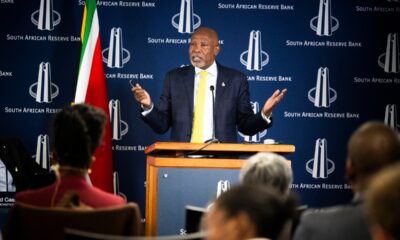
South African Reserve Bank Governor Lesetja Kganyago has been clear that recent inflation upticks were driven mainly by non-core items such as meat, vegetables, and fuel. Importantly, the Bank views these pressures as temporary rather than structural.
With lower oil price assumptions and growing downward pressure on inflation, the Bank believes South Africa remains on track to achieve around 3 percent inflation over the medium term. That assessment has shifted the tone of monetary policy from caution to possibility.
Why interest rate cuts are back on the table
This improving inflation outlook has strengthened the case for further interest rate cuts. South Africa has already reduced rates by 1.5 percentage points since September 2024, bringing the prime lending rate to 10.5 percent.
Several economists believe more relief could be on the way. Some expect two additional rate cuts in the first half of 2026, while markets are currently pricing in at least one cut of 0.25 percentage points in March, with a second later in the year only partially factored in.
For bondholders, vehicle owners, and small businesses, even modest cuts can translate into meaningful monthly savings.
What this means for everyday South Africans
Lower inflation and potential rate cuts do not magically fix the cost-of-living crisis. Wages remain under pressure, unemployment is still high, and many households are carrying heavy debt. But a more stable inflation environment changes the mood.
It gives consumers room to plan rather than react. It gives businesses a clearer view of borrowing costs. And it gives policymakers space to focus on growth rather than firefighting price shocks.
On social media, the reaction has been cautious optimism. Many South Africans are hopeful but sceptical, shaped by years of economic uncertainty. The common refrain is simple. Any relief is welcome, but it needs to be felt in real life, not just in forecasts.
A fragile but meaningful turning point
South Africa’s economic outlook for 2026 is not a victory lap. It is a delicate balancing act shaped by global oil prices, local harvests, the strength of the rand, and disciplined policy decisions. Still, the direction matters.
After years of rising costs, the possibility of easing rates and calmer inflation feels like a small turning point. Not a boom, but a pause. And for many households, that pause could make all the difference.
Follow Joburg ETC on Facebook, Twitter, TikT
For more News in Johannesburg, visit joburgetc.com
Source: IOL
Featured Image: Arcadia Finance